The Ruling That Changes Nothing for Spurs
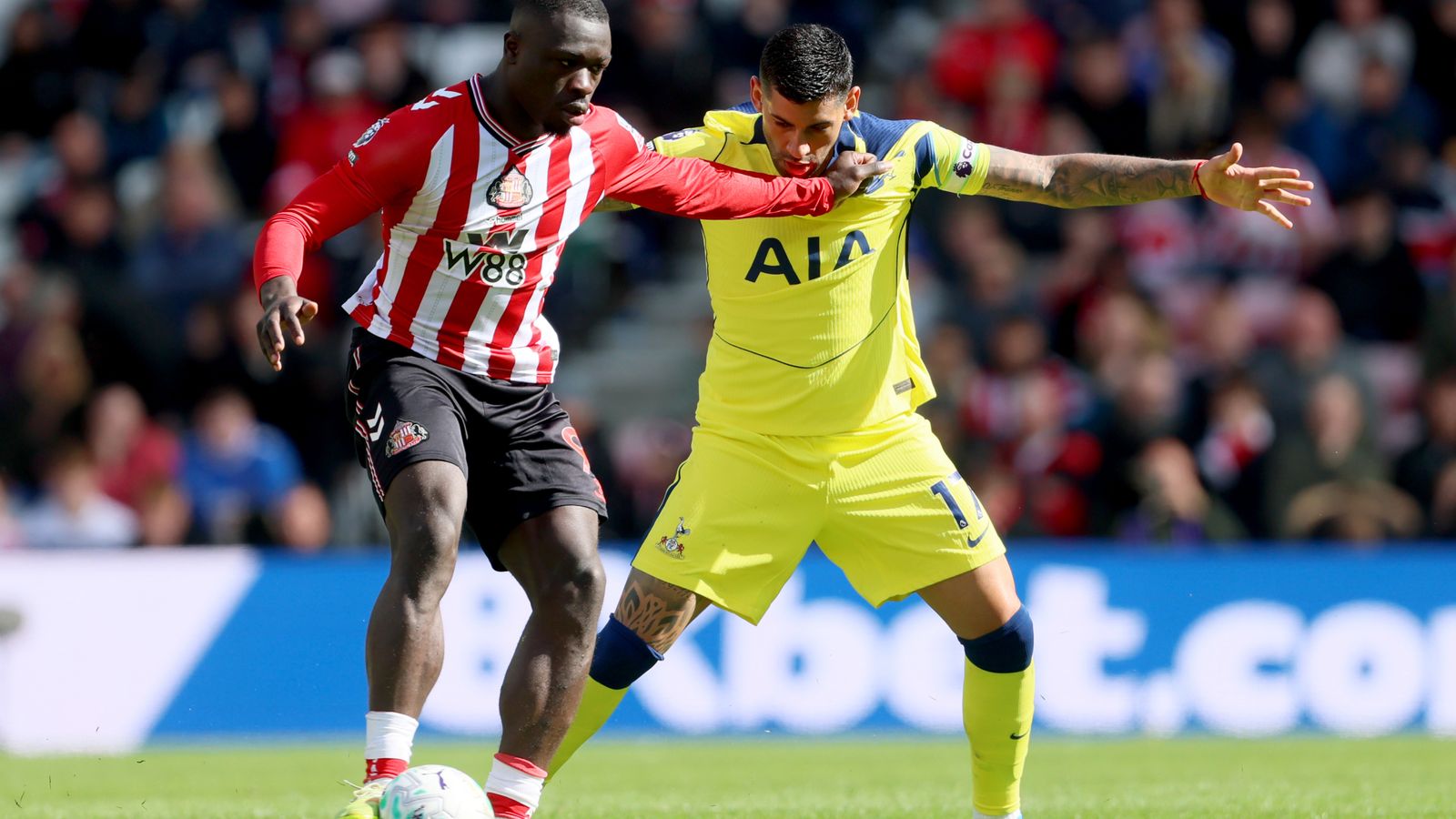
The PGMOL's Independent Key Match Incidents Panel has finally cleared the air, and for Tottenham fans, the news is a bitter pill to swallow. Brian Brobbey, Sunderland’s powerhouse striker, was a walking red card during the recent clash at the Stadium of Light. The panel ruled that the Dutchman should have been sent off for two separate yellow-card offences. Instead, he played the full 90 minutes, helping the Black Cats scrap their way to a vital point.
Knowing that the officiating was wrong doesn't return the two points Spurs dropped in their hunt for Champions League football. It doesn't help Ange Postecoglou’s side bridge the gap to the top four. It is simply a formal admission of a failure that was obvious to everyone in the ground. Sunderland survived, Brobbey stayed on, and the Premier League’s officiating crisis continues to dominate the headlines as we approach the final month of the season.
Breakdown of the 22nd-Minute Escape
The first booking was undisputed. In the 22nd minute, Brobbey mistimed a press on Micky van de Ven. He arrived late, his studs catching the Dutchman’s calf in a challenge that was more about frustration than tactical intent. It was a classic striker's challenge—clumsy, aggressive, and immediately punished with a yellow card. At that point, Brobbey was on a tightrope for the remaining 68 minutes of the match.
Van de Ven spent several minutes receiving treatment, and the Stadium of Light held its breath. Brobbey’s physical style is his greatest asset, but it is also his biggest liability. Since his £35 million move to Wearside last summer, he has been the focal point of everything good for Sunderland. But his disciplinary record is becoming a problem that manager Graham Potter can no longer ignore. He plays with a level of aggression that frequently spills over into recklessness.
The Tactical Foul That Went Unpunished
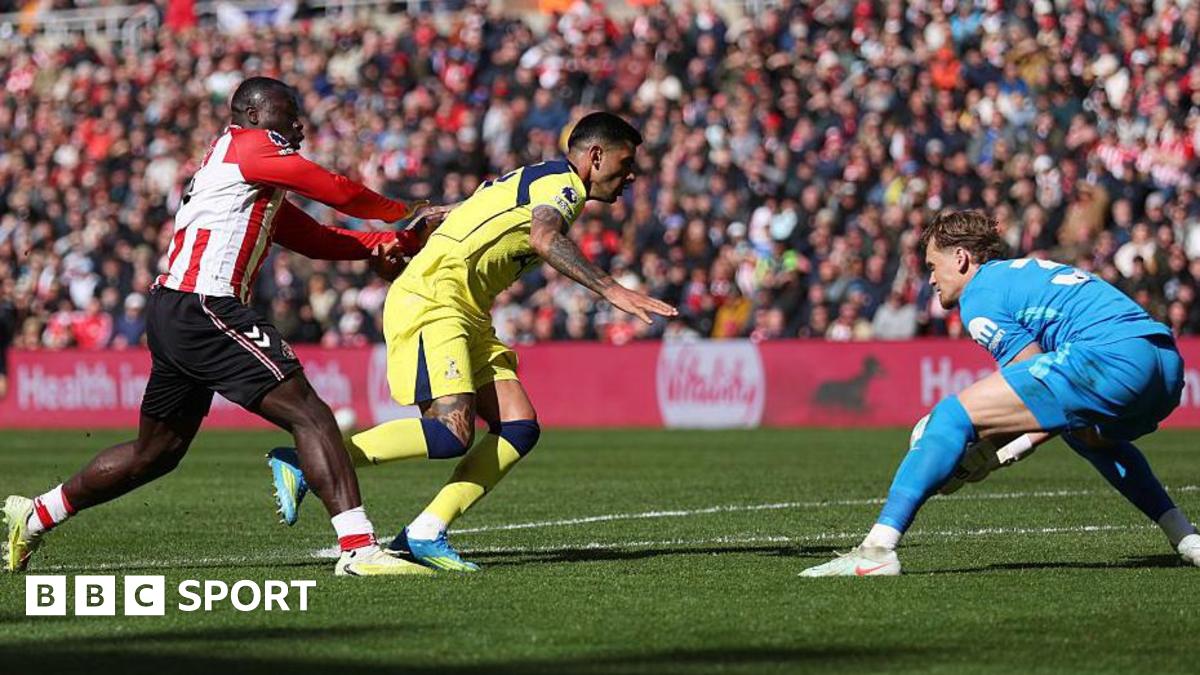
The controversy centers on an incident in the 58th minute. Spurs were breaking at pace through the middle of the park. James Maddison had already bypassed the midfield line and was looking to slip a pass through to Son Heung-min. Brobbey, realizing he was caught on the wrong side of the play, reached out and clearly impeded Maddison’s progress. It wasn't violent, but it was a textbook tactical foul designed to kill a high-value transition.
Under the current PGMOL directives, halting a promising attack in this manner is a mandatory yellow card. The referee on the day, Tim Robinson, decided a stern lecture was sufficient. The panel, however, disagreed. They voted 4-1 that this second incident warranted a yellow card. By the laws of the game, that means Brobbey should have been headed for an early shower before the hour mark. The fact that he remained on the pitch changed the entire complexion of the final half-hour.
The Panel's Logic and the 4-1 Vote
The Independent Key Match Incidents Panel consists of three former players or managers and two representatives from the PGMOL. Their 4-1 verdict suggests that this wasn't even a particularly close call. The majority felt that the referee's decision to show leniency was a clear error. This kind of post-match transparency is intended to build trust, but it often has the opposite effect. For Spurs, it just reinforces the feeling that they were cheated out of a man advantage during a crucial period of the game.
Why did the referee hesitate? There is a growing sentiment that officials are reluctant to 'ruin' games by issuing second yellows unless the foul is egregious. This is a dangerous precedent. A foul is a foul, regardless of whether a player is already on a booking. By failing to dismiss Brobbey, Robinson allowed Sunderland to maintain their tactical shape. They didn't have to sacrifice a winger to bring on another defender, and they kept their primary outlet for the long ball.
What This Means for the Survival Race
Sunderland are currently fighting for every scrap of ground in the bottom half of the table. They sit just 2 points above the relegation zone. That draw against a top-six side like Tottenham could be the difference between staying up and going down. If Brobbey is sent off in the 58th minute, Sunderland likely buckle under the relentless Spurs pressure. They were already under the cosh, and losing their most physical presence would have invited disaster.
Graham Potter has turned the Stadium of Light into a fortress of sorts, but the football is often desperate. Brobbey has 12 goals this season, and his ability to hold up the ball under pressure is the only reason Sunderland’s midfield can occasionally breathe. If he misses games through suspension, the Black Cats have no viable Plan B. This ruling might not result in a retroactive ban, but it puts a massive target on Brobbey’s back for the remaining fixtures against Everton and West Ham.
The Fallout for Tottenham and the Top Four
For Spurs, the timing of this officiating blunder is catastrophic. With the UCL Semi-Finals kicking off next week, the race for the remaining European spots in the Premier League is tightening. Dropping points at Sunderland because of a missed red card is the kind of error that haunts a season. Postecoglou was uncharacteristically quiet in his post-match presser, perhaps sensing that the panel would eventually confirm his suspicions.
Tottenham’s inability to break down a ten-man Sunderland might have been a different story, but we’ll never know. The lack of consistency from the PGMOL is the real story here. One week, a player is sent off for a soft second yellow; the next, a blatant tactical foul is ignored. It makes it impossible for players to know where the line is drawn. If Brobbey had been sent off, the narrative would be about his lack of discipline. Instead, it’s about a system that admits it’s broken but offers no remedy.
The Brobbey Enigma: Strength or Liability?
Brian Brobbey is exactly the kind of striker Sunderland fans love. He’s powerful, he leads from the front, and he doesn't give defenders a second of peace. But there is a fine line between a physical presence and a disciplinary disaster. He has already accumulated nine yellow cards this season. He is a high-volume fouler, often using his arms and body to shield the ball in ways that attract the referee’s whistle.
The 1-1 draw at the Stadium of Light will be remembered for the goal he didn't score, but the game he was allowed to finish. Sunderland are lucky. They got away with one. The Premier League panel has said as much. But in the cutthroat environment of the Premier League in 2026, luck is often more valuable than a good tactical plan. Sunderland will take the point, Spurs will take the apology, and the rest of us will wait for the next inevitable officiating meltdown.
Looking ahead, the PGMOL needs to do more than just publish reports. They need to address why their on-field officials are missing calls that 80% of an independent panel find obvious. Until that happens, these rulings will continue to feel like nothing more than an empty gesture. The game is faster than ever, and the referees are struggling to keep pace with the cynicism of modern tactical fouls. Brobbey knew exactly what he was doing in the 58th minute. It's a shame the referee didn't.
Read Next
- The Premier League Power Rankings: 10 Stars at a Crossroads
- Man United are getting bailed out by the Brentford injury room again
- Arsenal's mood problem: Arteta tries everything, fans are fed up
- Hearts are on the verge of breaking the Scottish status quo
- 🏟 EFL Championship 2025-26 — Promotion Race & Play-Off Final Hub