The hydration break debate is officially boiling over
If you have been watching the World Cup lately, you have probably noticed the game grinding to a dusty, miserable halt around the 30-minute mark of every half. The referees blow their whistles, the players mosey over to the sidelines like they are grabbing a drink at a frat house kegger, and the momentum dies a painful death. It is the tactical equivalent of a commercial break interrupting a climactic fight scene in a John Wick movie.
The fan reaction is exactly what you would expect from a group of people who just want to watch 45 minutes of non-stop chaos. The supporters in the stands are booing this production, and frankly, I am right there with them. We are tuning in to see high-stakes professional soccer, not a glorified yoga retreat where everyone takes a mandatory water sipper while the heat index climbs.
The two sides of the hydration break coin
Some people—bless their hearts—are actually trying to defend these breaks as a necessary evil. The argument usually centers on player health, suggesting that modern athletes are essentially high-performance supercars that will overheat without regular coolant top-offs. They claim it is preventing injuries and ensuring the quality of play remains high until the final whistle blows.
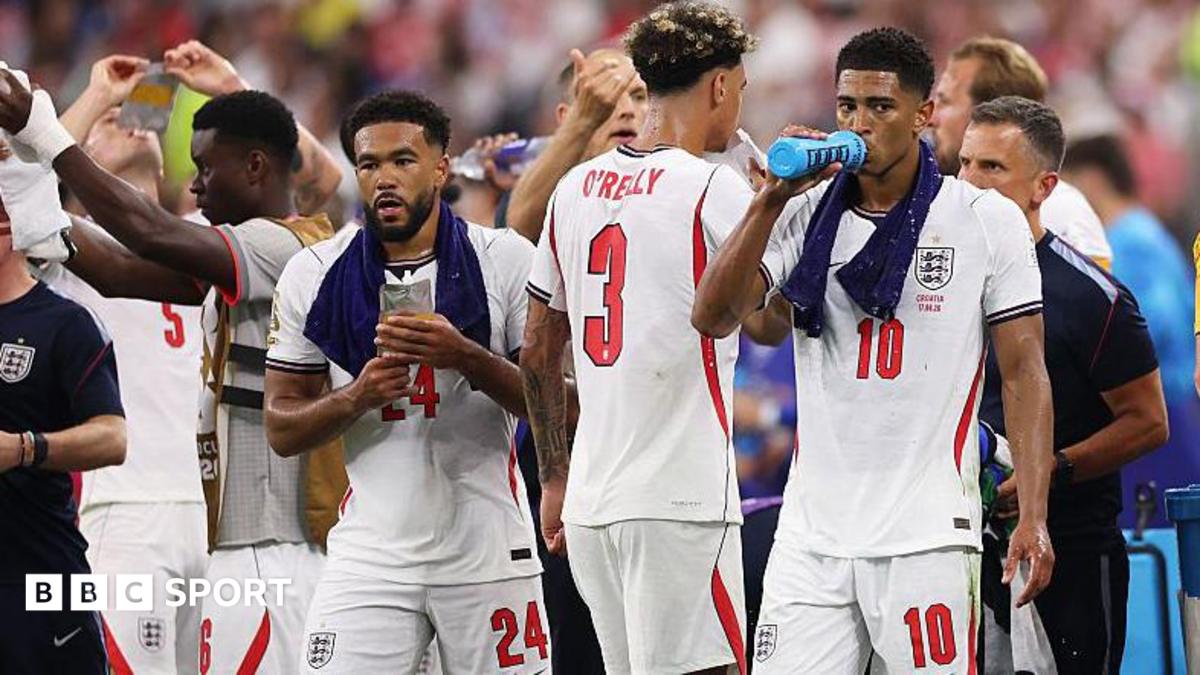
Then you have the people who live in the real world. Critics point out that professional athletes spend their entire lives training for these exact conditions and that stopping the game is a fundamental assault on the nature of the sport. As the BBC recently noted, while supporters are busy booing the interruptions, the coaches are frantically turning these moments into impromptu tactical meetings.
Fans boo, players adapt - the view on World Cup hydration breaks
It is worth noting that coaches are using this as a free timeout. When your team is getting shredded on the counter-attack, nothing beats a 90-second pause to reset your defensive shape, scream at your wingers, and stop your opponent from building any real rhythm. That is the dirty little secret of the whole hydration situation.
Why this is a tactical nightmare
Let's talk about the flow of the game. Soccer lives and dies by rhythm. A team like Brazil or France builds tension like a symphony, accelerating the pace until the defense finally cracks. When you pull the plug on that pressure for a "hydration break," you are basically handing the disadvantaged team a Get Out of Jail Free card.
I have seen more than one manager transform a crumbling back line into a organized block all because they got a break that wasn't supposed to be an official coaching session. It rewards teams that cannot handle the heat. If you built a roster of players who can't handle 45 minutes of cardio in June, maybe you should have done more cone drills in training camp.
My skepticism on this is grounded in the fact that it changes the fundamental math of a game. A goal scored at 32 minutes is suddenly preceded by a collective reset in intensity that never existed in the golden era of the sport. It feels artificial. It feels like the organization is trying to sanitize the grit out of the match to protect the brand.
Is it really keeping people safer? Or is it just another way to squeeze in extra broadcast exposure? It feels like we are losing the raw, sweaty, desperate side of elite competition for the sake of corporate optics. When players act like they are dying of thirst in a temperate climate, it feels like an insult to the history of the sport.
Some analysts argue that the players actually appreciate the mental reset. I buy that for a second because nobody likes running until their lungs burn, but that is the point. That burn is where the legends are made. It is where you find out who actually wants the ball in the 88th minute when their legs feel like lead pipes.
If we keep this up, we are going to look back at the era of non-stop play with the same nostalgia we reserve for the days of hand-checking in basketball. We are watching a sport systematically remove the endurance factor that once separated the absolute best from the merely very good. Keep the water bottles on the sidelines, and if a guy passes out, that is what substitutions are for.
Ultimately, the current adaptation is just annoying for everyone who paid for their seats to see a game, not a series of water-cooler chats. If this continues, the biggest takeaway from this World Cup won't be a specific goal or a legendary save, but the sound of thousands of people booing in unison as the game dies for 60 seconds of supposed safety.