Borussia Dortmund Champions League 2025-26
BVB's latest European adventure — the Yellow Wall, knockout drama, and another deep UCL run from Germany's most romantic club.
Signal Iduna Park: The Yellow Wall Effect
There is no European atmosphere quite like a Dortmund home night. The Südtribüne — 25,000 standing places, the largest terrace in European football — creates a wall of yellow and black noise that has unnerved the best teams in the world. UEFA regularly rates Signal Iduna Park among the continent's finest venues, and visiting managers routinely cite it as one of the hardest places to play a Champions League knockout tie.
Dortmund's 2025-26 UCL campaign has used this home advantage intelligently. Their record at Signal Iduna Park in the knockout phase this season is formidable — high-energy pressing from kick-off, backed by 81,365 fans who treat European nights as religious events.
Key Players: Goals and Drive
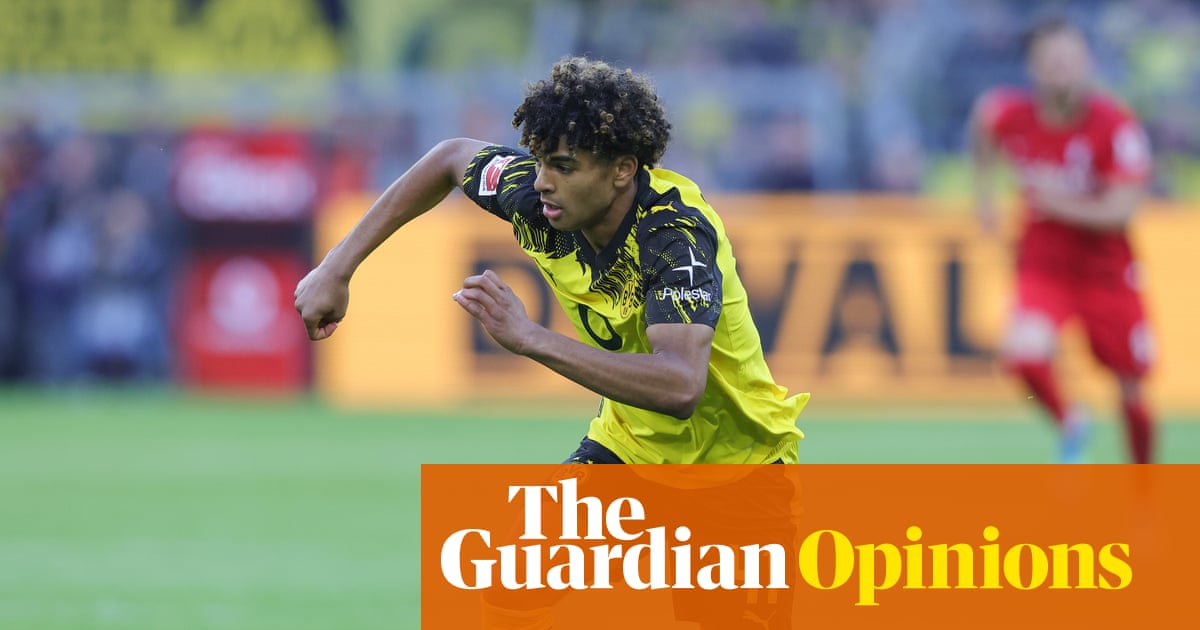
Karim Adeyemi
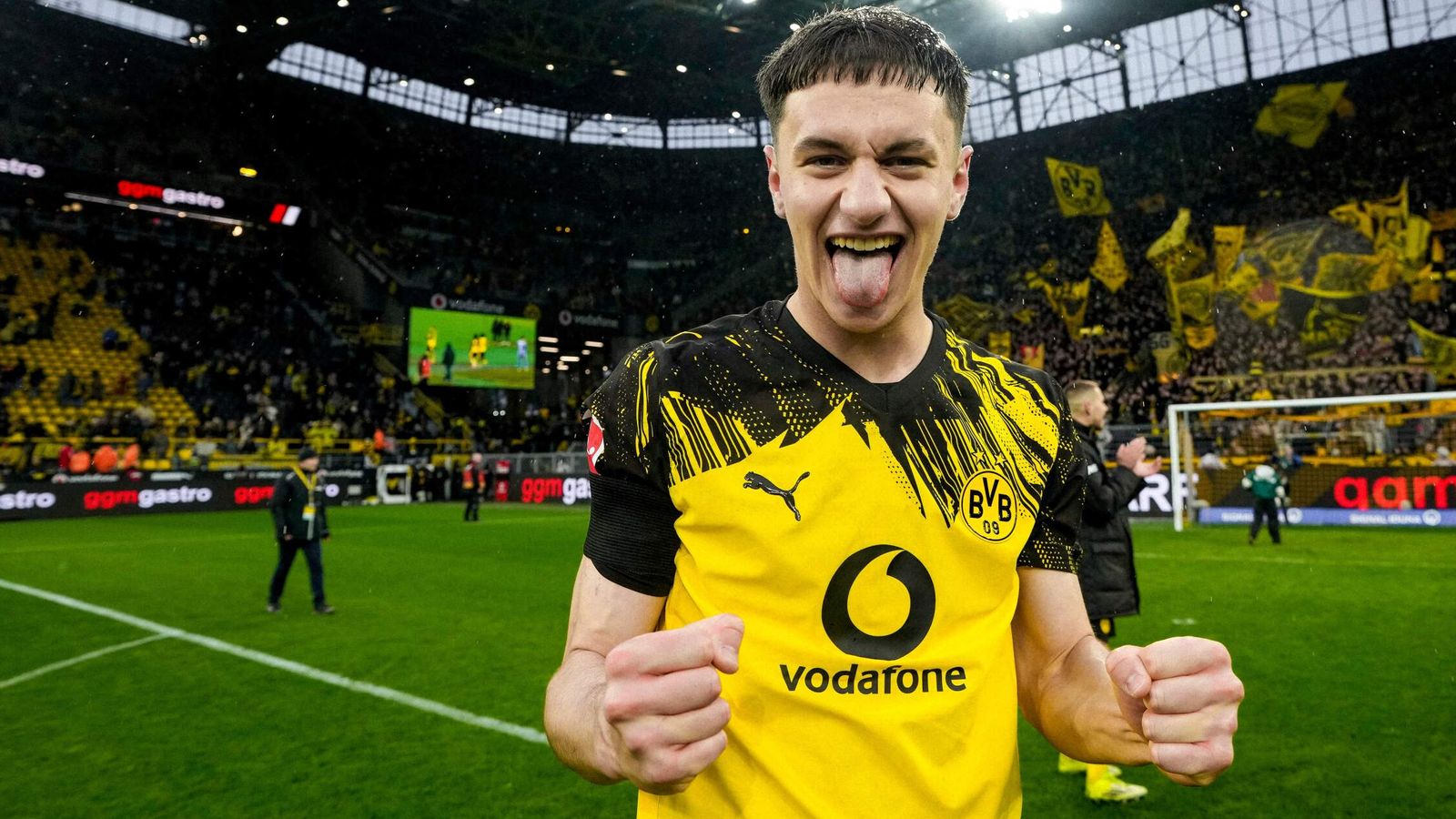
The German winger is pure electricity down the left flank. Adeyemi's pace and direct running give BVB a consistent threat on the counter-attack, and his UCL goals this season have come at crucial moments — the kind of player who changes matches in a single run.
Serhou Guirassy
The Guinea international arrived with a staggering Bundesliga goalscoring record and has carried that form into Europe. Guirassy is a powerful centre-forward with excellent movement in the box and a thunderous shot. His aerial ability also gives BVB a physical dimension in tight matches.
Julian Brandt
The creative fulcrum behind Dortmund's attack — Brandt's link play, vision and ability to play in tight spaces unlock defensive blocks. He has been one of the Bundesliga's most consistent performers and his European pedigree runs deep.
Emre Can
The veteran midfielder's leadership in big games has been crucial. Can provides defensive cover, set-piece threat and vocal organisation — BVB need his composure in the knock-out rounds where experience matters as much as talent.
BVB's Route Through the Knockout Rounds
Dortmund qualified from the revamped UCL league phase with a solid record, drawing on their vast European experience to grind out results even when performances were below their best. Their away record — crucial in the knockout format — proved decisive.
The round of 16 tested them early. Trailing after the first leg, BVB produced one of the season's great comebacks at Signal Iduna Park — Guirassy and Adeyemi combining for a rousing second leg that sent the Yellow Wall into delirium. Moments like that are why European nights at Dortmund are unlike anywhere else.
The quarter-final required tactical maturity over raw energy. Dortmund's new manager has drilled a more structured defensive shape while preserving the forward intensity — it is a balance BVB have historically struggled to maintain, but this edition of the squad looks capable of sustaining it.
Historical UCL Record: So Close, So Often
Borussia Dortmund have one of the most dramatic and occasionally heartbreaking records in Champions League history. They are defined by extraordinary highs and crushing lows — a narrative that makes them one of the tournament's most compelling clubs.
- 1997 Champions: Beat Juventus 3-1 in Munich — Karl-Heinz Riedle scored twice before Lars Ricken's iconic chip sealed a famous win.
- 2013 Finalists: The Klopp era's finest hour fell just short — a 2-1 loss to Bayern Munich in Wembley's all-German final remains painful for BVB fans.
- 2024 Finalists: Another final heartbreak — reaching Wembley again only to lose to Real Madrid, who scored twice in the final 15 minutes in one of the UCL's most dramatic endings.
Three finals, one title. No club embodies the romance and pain of the Champions League quite like BVB. The question for 2025-26 is whether this squad can finally end the heartbreak and go one better than their 2013 and 2024 predecessors.
Tactical Identity Under the New Manager
Post-Klopp and post-Terzic, Borussia Dortmund have continued their tradition of appointing coaches who understand the BVB identity: intensity, vertical football, youth development, and producing results despite operating at a financial disadvantage compared to Bayern Munich domestically and the elite clubs in Europe.
The 4-2-3-1 remains BVB's default structure, but flexibility is key. Against deep defensive blocks, they shift to a 4-3-3 to overload midfield. In away European legs, a more pragmatic 4-4-2 has been deployed to absorb pressure and hit on the counter through Adeyemi's pace.
German Clubs in Europe 2025-26
Bundesliga clubs have shown impressive UCL performances in 2025-26, with Dortmund and Bayern Munich both making deep runs. German football's combination of pressing intensity, technical quality and exceptional youth development — via the Bundesliga's mandatory youth academy structure — continues to produce world-class players.
BVB's contribution to German national football is significant: Adeyemi, Brandt and others represent the Bundesliga's quality at international level. With the 2026 World Cup in North America, BVB players will be central to Germany's tournament preparations.
Latest Dortmund Coverage