The emergence of an unconventional pivot
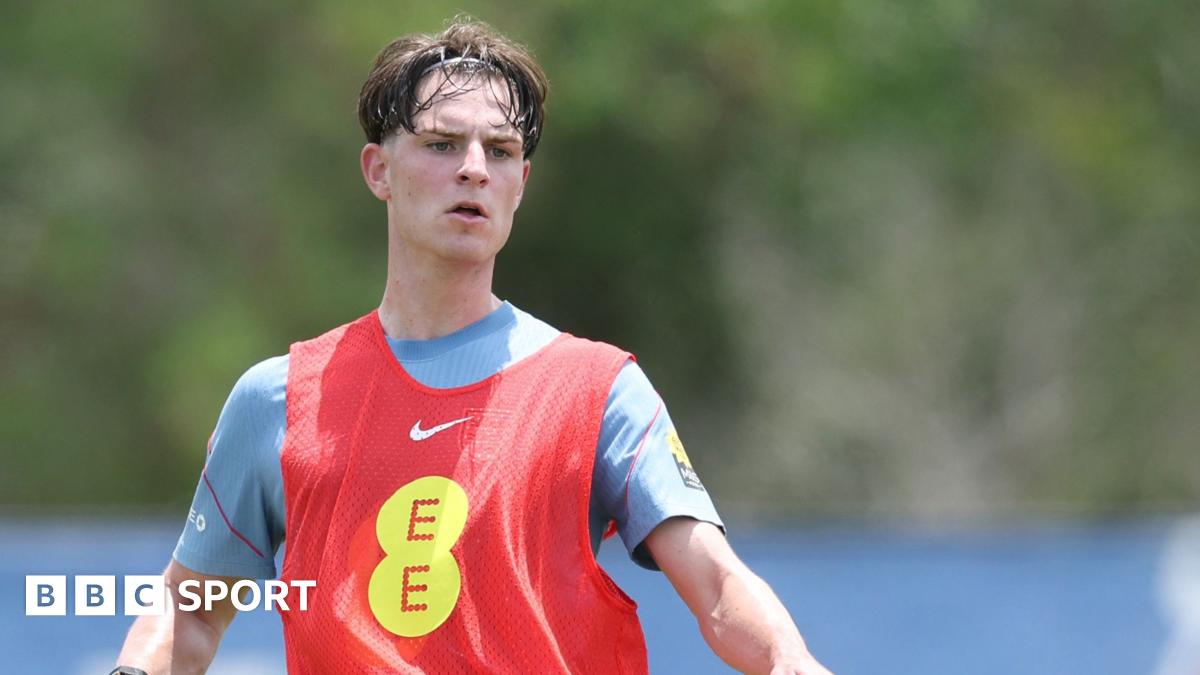
International squads often fall into the trap of roster stagnation ahead of major tournaments. With the 2026 FIFA World Cup arriving in just 8 days, England manager Gareth Southgate is making a calculated bet on Bournemouth midfielder Alex Scott. The decision to include the 22-year-old in the warm-up friendlies against the United States marks a departure from the conservative retention policies usually seen in final preparations.
Scott represents a tactical profile England has historically lacked. His capacity to operate in the half-spaces while maintaining defensive discipline during transition cycles stands in contrast to the rigid double-pivot structures currently favored by the coaching staff. At Bournemouth, he logged a progressive passing accuracy of 82% throughout the 2025/2026 campaign, proving he can navigate the pressure of a high-pressing tactical setup.
Tactical friction in the England midfield
The skepticism regarding this call-up is grounded in reality. England’s core has been built around established hierarchies, and integrating a player with zero senior caps into such a precise machine risks disrupting team equilibrium. This isn't just about individual talent; it is about the synchronicity formed over years of qualifying cycles.
Southgate will likely use these matches in the United States to stress-test verticality. If Scott thrives, he offers a pivot mechanism that allows the primary attacking midfielders to push higher without leaving the defensive line exposed. The risk remains that his relative inexperience at the top level may lead to turnover errors against elite pressing teams.
The math behind the selection
Critics frequently point to the surplus of talent already within the national setup as a reason to shun rookies. However, looking at the squad metrics, the midfield has become overly reliant on recycling possession rather than creating dynamic line-breaking opportunities. Scott averaged 2.4 shot-creating actions per 90 minutes for his club, a figure that highlights a penchant for direct progression that the Three Lions often forfeit in favor of safety.
The defensive liability here is his aerial win percentage. Standing at 1.75 meters, he will be targeted by physically imposing midfields in the group stage. If the coaching staff cannot shield him, the experiment will fail within the first 30 minutes of competitive play. The margin for error is non-existent when the tournament starts on June 11, 2026.
Predicting the impact
I anticipate Scott receiving at least 45 minutes of action in the opening friendly. He will be tasked with linking the inverted fullbacks to the front three, a specific responsibility that could decide his inclusion in the final 26-man roster. If he struggles to dictate the tempo during the transition phase, the coaching staff will likely retreat to their previous selection pool.
My view is that this is a smart defensive gamble. Scott possesses the technical composure to handle international speed, even if his defensive coverage remains a point of worry. I predict he registers an assist before the final whistle of the first friendly, effectively forcing his way onto the plane. He is a high-risk, high-reward inclusion in a period where England needs to inject offensive variety into their rigid, possession-heavy identity.
Read Next
- England vs Spain is the only qualifier anyone actually cares about
- Thomas Tuchel's England Squad Picks Hint at Tactical Shake-up
- England’s squad numbers hint at Southgate’s tactical plans
- Thomas Tuchel’s Florida experiment is a massive gamble
- 🏆 World Cup 2026 — Full Coverage Hub
- 🏴 England World Cup 2026 — Three Lions Hub