The Tactical Chessboard at the Puskas Arena
Budapest is ready. On May 28, 2026, the Puskas Arena will host a Champions League final defined by tactical contrast. Arsenal are back on the grandest stage for the first time since 2006, facing defending champions Paris Saint-Germain.
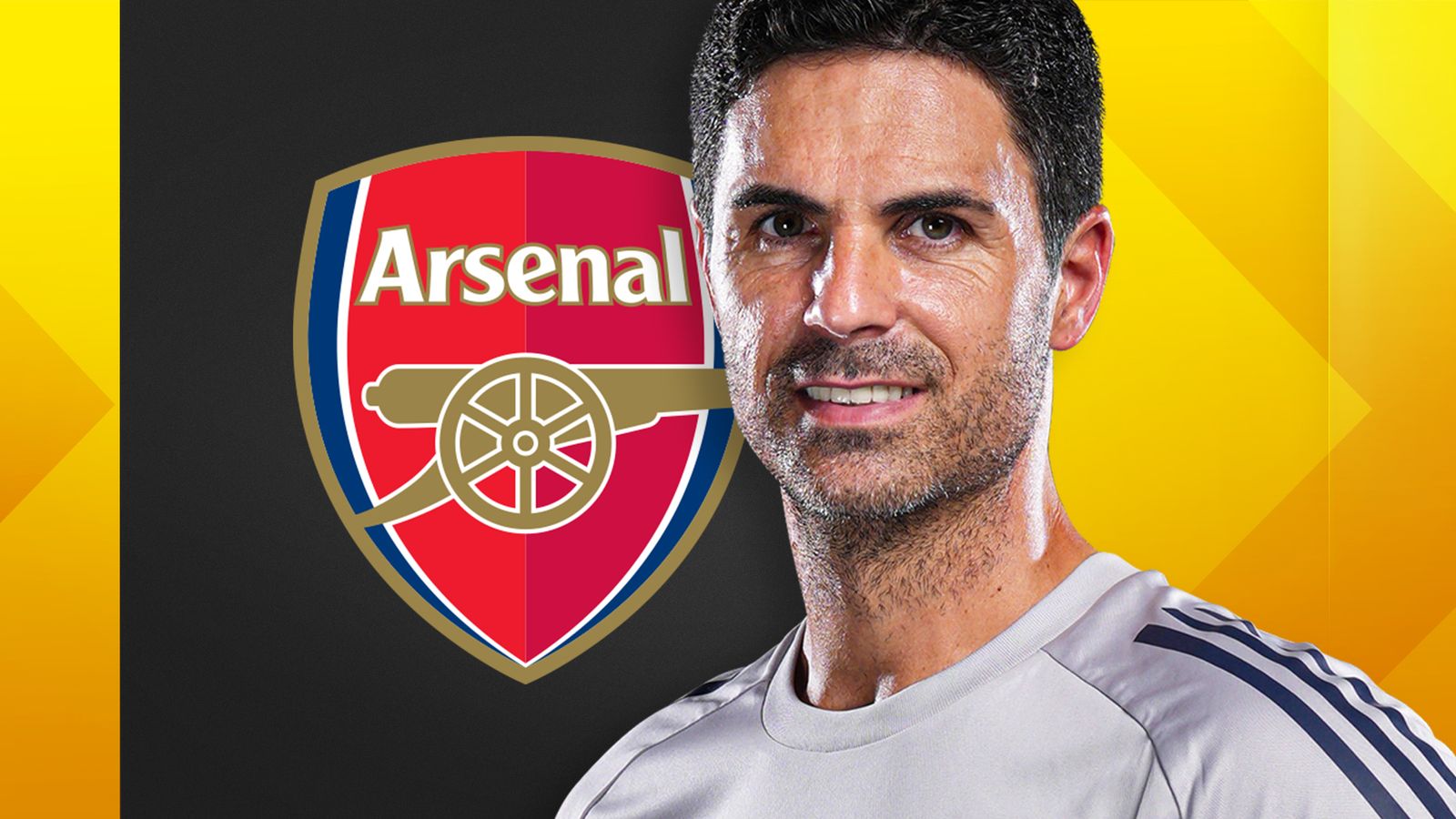
Mikel Arteta has built a team on structural discipline. Their run to the final, culminating in a semi-final shutout of Atletico Madrid, was built on spatial denial. Every player knows his exact coordinates in a system that is coordinated, precise, and relentless.
Luis Enrique operates on different principles. His PSG side is fluid, asymmetric, and highly unpredictable. They reached Budapest by surviving a wild semi-final against Bayern Munich that showcased both their attacking brilliance and their defensive vulnerability.
Arteta's Defensive Rigidity
When Arsenal lose possession, they do not panic. They immediately drop into a compact, narrow 4-4-2 mid-block. Martin Ødegaard leads the first line of pressure alongside Kai Havertz to deny the central pass into the opponent's midfield pivot.
Ødegaard is the key. His pressing triggers are highly specific. The moment the opposition center-back opens his hips to pass wide, Ødegaard cuts the field in half, forcing the opponent into the touchline trap.
Once the ball goes wide, Arsenal's fullback steps up aggressively. Ben White will carry a heavy burden on the right flank, defending Bradley Barcola in isolation. White cannot afford to be beaten 1v1.
Behind them, William Saliba and Gabriel Magalhaes control the box. They are exceptionally strong in aerial duels, contributing to a defensive record that conceded just 0.81 expected goals per ninety minutes in Europe. They do not give up high-quality chances.
Arteta's central defensive partnership is the foundation of this rigidity. William Saliba's positioning is incredibly proactive, allowing him to average 2.1 interceptions per ninety minutes. Gabriel Magalhaes provides the physical grit, dominating strikers in aggressive ground duels.
The midfield screen is equally disciplined. Declan Rice and Thomas Partey play in perfect harmony. When one steps up to challenge, the other drops back to cover the passing lane, preventing opponents from finding pockets of space in the critical zone 14.
However, Arsenal's rigidity can be exploited. If Declan Rice is drawn out of the central pivot space to engage a floating playmaker, a massive pocket of space opens. Opponents with quick vertical passing can exploit this gap between the lines.
Luis Enrique's Asymmetric Carousel
PSG under Luis Enrique do not believe in fixed positions. They construct a fluid, passing carousel that stretches opponents laterally. The key is their asymmetric build-up structure.
Achraf Hakimi is the tactical wildcard. Nominally a right-back, Hakimi frequently inverts into the central space to create a temporary double pivot with Vitinha. This movement allows Warren Zaire-Emery to push high into the right half-space.
This movement creates a numerical overload. Opposing left-backs are faced with a dilemma. Do they follow Hakimi inside, or stay wide to cover Ousmane Dembele?
On the opposite flank, Bradley Barcola provides maximum width. Barcola is an elite 1v1 specialist who completed 4.3 successful take-ons per ninety minutes in Ligue 1. He wants to drag Ben White into isolated duels.
Vitinha is the heartbeat of this midfield. His press resistance is world-class, allowing him to complete 92 percent of his passes under high pressure. If Arsenal's press is even slightly uncoordinated, Vitinha will find the escape route.
Luis Enrique’s build-up is designed to draw the opponent's press forward. PSG will play short passes inside their own six-yard box, tempting the opponent to engage high up the pitch. Once the press is committed, they launch rapid vertical sequences.
Ousmane Dembele's role on the right wing is highly dynamic. He does not just hug the touchline, but drops deep to receive the ball, drawing the left-back out of position. This opens up space for Zaire-Emery's third-man runs into the box.
The Post-Mbappe Paradox and the Real Madrid Shadow
The most fascinating aspect of PSG's return to the final is who is missing. In the summer of 2024, Kylian Mbappe departed for Real Madrid, leading many to predict PSG's decline. Instead, the opposite occurred.
Without Mbappe, PSG became a true team. They no longer have to carry a superstar who refuses to defend, allowing Luis Enrique’s side to press with eleven players. They are defending champions for a reason.
Contrast this with Mbappe's current situation in Spain. His first seasons at Real Madrid have been incredibly difficult, marked by rising fan hostility and mounting injury issues. Now, a tactical storm is brewing.
Reports indicate that Jose Mourinho is incoming as the new head coach of Real Madrid. Mourinho does not tolerate player egos. He is already planning to reshape the squad, and his plans are not good news for Mbappe.
According to reports, Mourinho is planning to bring in a new striker to challenge Mbappe. Mourinho wants a traditional, physical number nine to lead the line. He wants to strip the French superstar of his untouchable status.
Real Madrid's ambitions do not stop there. The Spanish giants are also keeping tabs on Erling Haaland as Manchester City prepares for life after Pep Guardiola. A Haaland arrival would completely displace Mbappe from the central striking role.
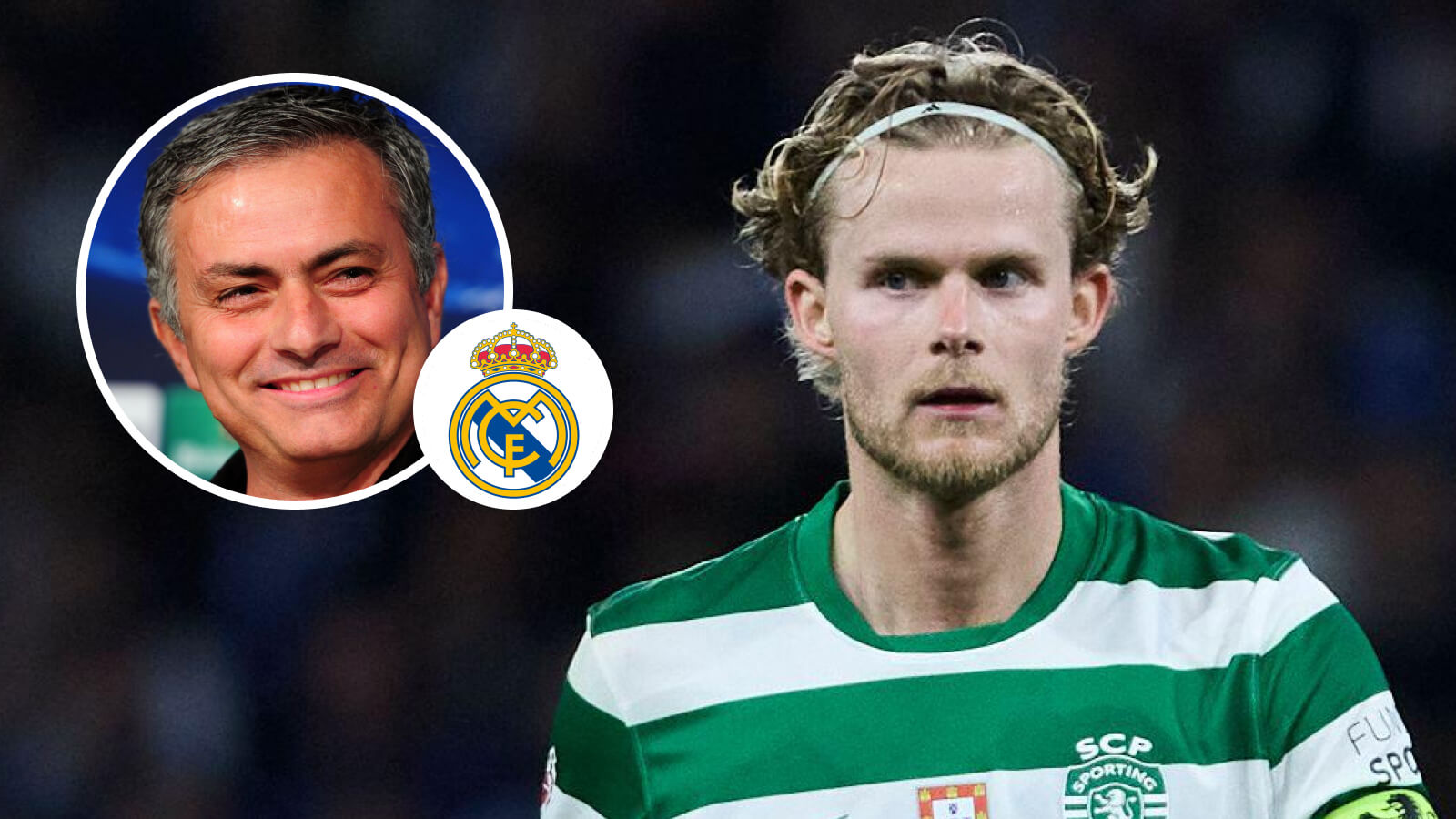
Madrid are also targeting midfield reinforcements. They are heavily linked with Sporting CP's powerhouse midfielder Morten Hjulmand, who carries an €80 million release clause. Sporting manager Rui Borges has openly embraced the potential transfer, suggesting a move is completely natural.
Sporting CP manager Rui Borges spoke candidly about the interest in his star midfielder. He confirmed that links to a club of that stature are logical.
Sporting CP manager Rui Borges on Morten Hjulmand being linked with Real Madrid: "completely natural"
Mourinho’s blueprint is clear. He wants to build a physical, disciplined team around a midfield anchor like Hjulmand and a powerhouse striker like Haaland. If Madrid secures these targets, Mbappe will face a harsh tactical reality where he must defend or sit.
PSG's collective success is a warning to Real Madrid. Football matches are won by balanced teams, not collections of superstars. While Madrid prepares for a tactical civil war, PSG is focused on retaining their crown.
In Paris, the atmosphere has transformed. The toxic drama that characterized the final years of the Mbappe era has vanished. The squad plays with a shared sense of purpose, showing a meritocracy where tactical compliance is rewarded.
Real Madrid, meanwhile, are learning that collecting superstars is a volatile strategy. Kylian Mbappe’s failure to adapt to a central striking role has disrupted the balance of their team. Vinicius Junior and Mbappe constantly occupy the same spaces on the left wing, leaving the center vacant.
Mourinho’s arrival is intended to restore order. The Portuguese manager is known for his pragmatic, defensively solid setups. He will not tolerate Mbappe’s lack of defensive contribution, and he will not hesitate to bench him.
Where the Final Will Be Won and Lost
The tactical battle in Budapest will be decided by transition speed. Arsenal want to slow the game down. They prefer controlled possession and a structured rest defense.
PSG want chaos. They thrive in transition, using the blistering pace of Dembele and Barcola. But this high-risk style makes them incredibly vulnerable at the back.
In their semi-final victory over Bayern Munich, PSG won 6-5 on aggregate. That scoreline tells the story of a deeply flawed defensive transition. When Hakimi pushes high, Marquinhos is often left exposed in wide areas.
Marquinhos no longer possesses the recovery pace of his youth. If Arsenal can win the ball in midfield and transition quickly, Gabriel Martinelli will have acres of space to exploit. Marquinhos will be forced to defend in isolation, which is a major weakness.
Another area of concern for PSG is Gianluigi Donnarumma's distribution. The Italian goalkeeper is an elite shot-stopper, but he panics under pressure. His passing accuracy drops significantly when pressed aggressively.
Arteta will instruct Havertz and Ødegaard to press Donnarumma on his weaker left foot. If they can force turnovers in the defensive third, Arsenal will create high-value chances. PSG cannot afford to gift possession to a team as lethal as Arsenal.
For Arsenal, the major risk is their over-reliance on Bukayo Saka. If Nuno Mendes can neutralize Saka in 1v1 duels, Arsenal's attack becomes slow and predictable. Martin Ødegaard will be forced to force passes into crowded central areas.
Declan Rice must also play a disciplined game. If Rice is tempted to press too high, Vitinha will exploit the space behind him. Thomas Partey or Jorginho must provide constant cover to protect the back four.
The outcome of this final will be decided by three individual battles. These tactical matchups will determine who controls the space.
- Ben White vs Bradley Barcola: A classic test of defensive recovery pace against explosive dribbling.
- Martin Ødegaard vs Vitinha: The battle for control over the central passing lanes and tempo.
- William Saliba vs Ousmane Dembele: A clash of physical dominance against direct, unpredictable movement.
The set-piece battle will be incredibly lopsided. Arsenal are the most dangerous team in Europe from dead-ball situations. Nicolas Jover, Arsenal's set-piece coach, has designed intricate blocking routines that free up Gabriel and Saliba at the near post.
PSG's aerial vulnerability is a known weakness. They conceded three goals from corners in their semi-final against Bayern Munich. Marquinhos and Lucas Beraldo struggle to deal with physical runners who attack the ball.
Budapest Prediction: A Night for the Collectives
Budapest will host a classic. Arsenal's defensive organization will face the ultimate test against PSG's fluid attack. The first half will be extremely tight.
We expect Arsenal to defend in their compact shape, absorbing PSG's early pressure. White will struggle early against Barcola, but Arsenal's central defenders will dominate the box. The half will end scoreless.
In the second half, the game will open up. Arteta will make the decisive move, introducing Leandro Trossard to exploit the spaces left by Hakimi's forward runs. This adjustment will shift the momentum.
In the 74th minute, Arsenal will find the breakthrough from a corner. Gabriel Magalhaes will power home a header from a Bukayo Saka delivery. PSG will throw players forward in desperation.
With PSG pushed high, Arsenal will strike again on the counter-attack in the 88th minute. Martinelli will race into the empty space behind Hakimi and finish calmly. The trophy is heading to north London.
We predict a 2-0 victory for Arsenal. Mikel Arteta's tactical discipline will triumph over Luis Enrique's chaotic brilliance. Real Madrid's directors will watch from Spain, wishing they had focused on building a team rather than buying an ego.
Read Next
- Arsenal are primed to break their Champions League curse against PSG
- Keir Starmer wants a free Arsenal Champions League final and TNT is laughing
- Arsenal are about to expose PSG's biggest tactical flaw in Budapest
- Top 10: Top Moments
- ⚽ La Liga 2025-26 — Title Race Hub
- ⚽ Ligue 1 2025-26 — PSG, Monaco & the Title Race Hub
- ⭐ UCL 2026 — Champions League Quarter-Finals Hub