The party in Islington turned dark
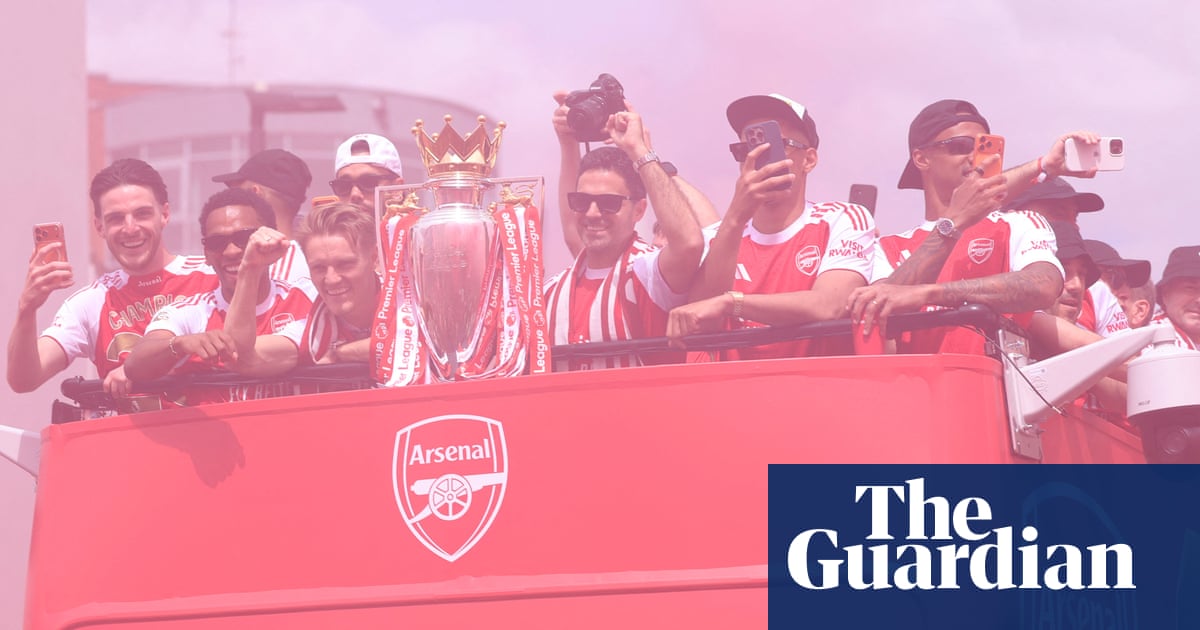
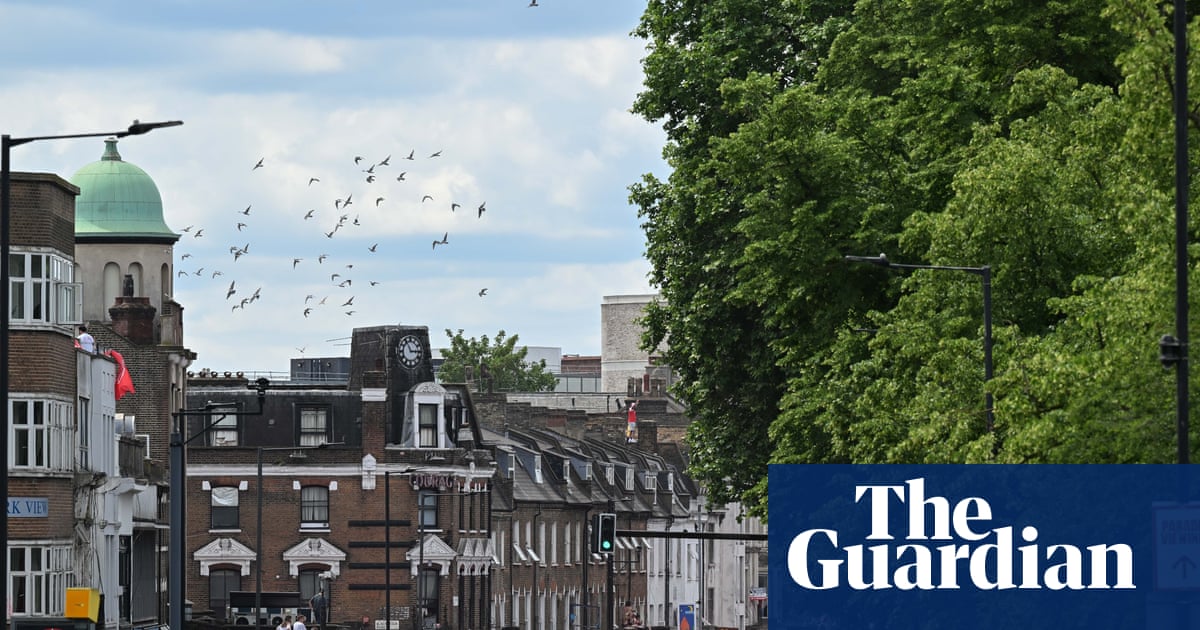
Winning a Premier League title is supposed to be the pinnacle of a supporter's calendar. Arsenal fans spent Sunday celebrating a hard-fought trophy run, but the day soured into something truly ugly as evening fell on north London. As The Guardian reported, six people were stabbed after the crowds had largely dispersed. It is the kind of event that makes you want to throw your pint glass against the wall in sheer frustration.
The internet is currently a polarized mess of reactions, which is exactly why it is impossible to look away. On one hand, you have the rationalists pleading for better security protocols and post-event dispersal strategies. That group is tired of seeing fan euphoria weaponized by absolute cowards. They are pointing to the logistical nightmare of clearing thousands of people out of the Emirates radius without a coherent plan.
The split in the online trenches
The contrarians are out in force, arguing that shifting the blame to the club or the Metropolitan Police ignores the broader societal rot. One user on the subreddit noted that treating a football parade like a military operation will never fix the underlying culture of violence. They aren't wrong, but it feels like a hollow defense when people are in the hospital following a team celebration.
Skeptics are also questioning whether the club should be footing more of the bill for private security. The counter-argument is just as loud: why should the club be the sole arbiter of public safety on London streets? We are talking about basic human decency that seems to have gone missing during the post-parade exit. If you cannot celebrate a win without resorting to blades, stay home.
My take on the wreckage
Look, I love the beautiful game, but there is a clear failure here that goes beyond bad apples. When you attract masses with victory parades, you invite a specific security requirement that clearly was not met on Sunday. We keep seeing these events turn into logistical ticking time bombs, and the authorities remain consistently reactive rather than proactive.
As The Guardian reported, these were non-fatal stabbings, which is a miracle, but that doesn't change the reality of the situation. The joy of a league title should define the summer. Instead, we are looking at a headline involving police cordons and yellow tape. It’s a recurring theme in major sports urban management—you prioritize the optics of the parade but fail to manage the departure.
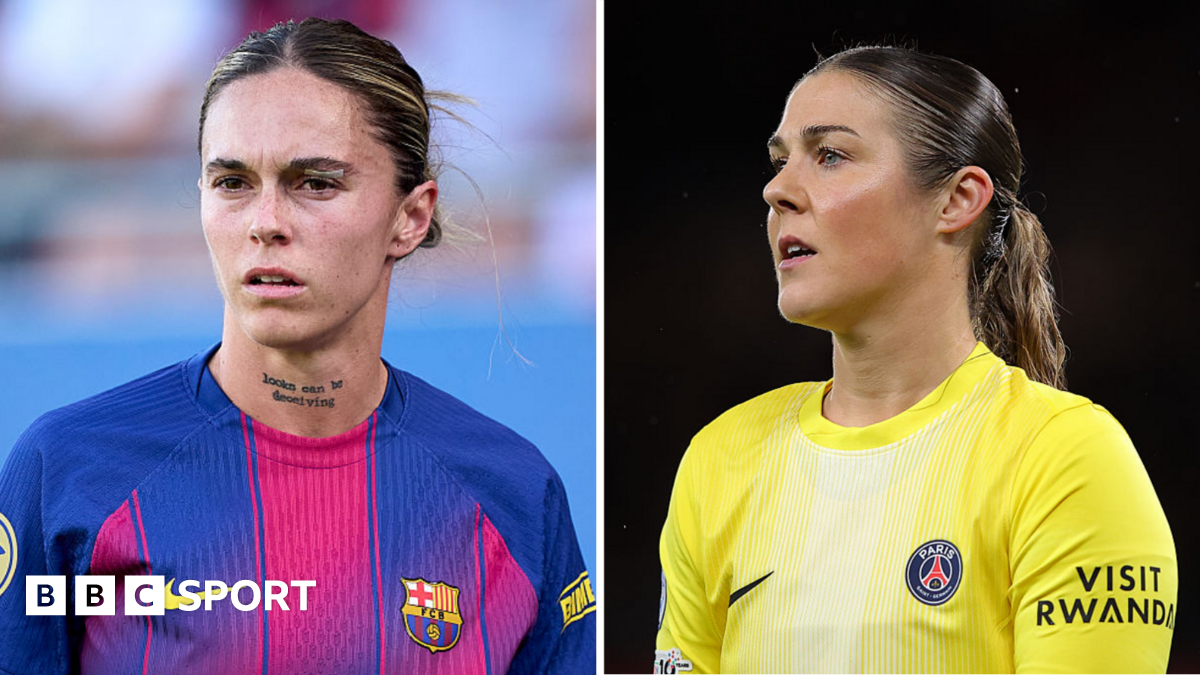
It is impossible not to feel a sense of whiplash. Just earlier this week, the gossip mill was churning with news about London City Lionesses and their wild transfer strategy involving names like Mary Earps and Mapi Leon. One moment we are talking about roster construction and tactical nuke deployments like the Katie McCabe move to Chelsea, and the next we are discussing violent crime statistics in the shadow of the Emirates.
The cold, hard truth
My biggest gripe is the tendency for these organizations to wash their hands of spectators the moment the buses stop moving. You cannot invite the world to a party and then wash your hands of the cleanup. The Metropolitan Police have a mammoth task, but the lack of containment strategy after the parade concluded is glaring.
We are just 10 days away from the World Cup kickoff. If security planning for a local victory parade results in six victims, I shudder to think how the authorities will frame the crowd control for global arrivals. The contrast between the prestige of the Premier League and the reality of London streets on Sunday night is a grim reminder of how precarious these mass gatherings actually are.
If you genuinely love this sport, you have to be the first one to call out the ugliness. Hiding behind the 'it was just a few bad actors' excuse won't cut it anymore. We need better separation of pathways, faster dispersal routes, and quite frankly, a much heavier police presence during the transition from 'fan' to 'pedestrian'. Don't let the trophy hide the fact that someone ended their Sunday in an ambulance.