The cost of a homecoming
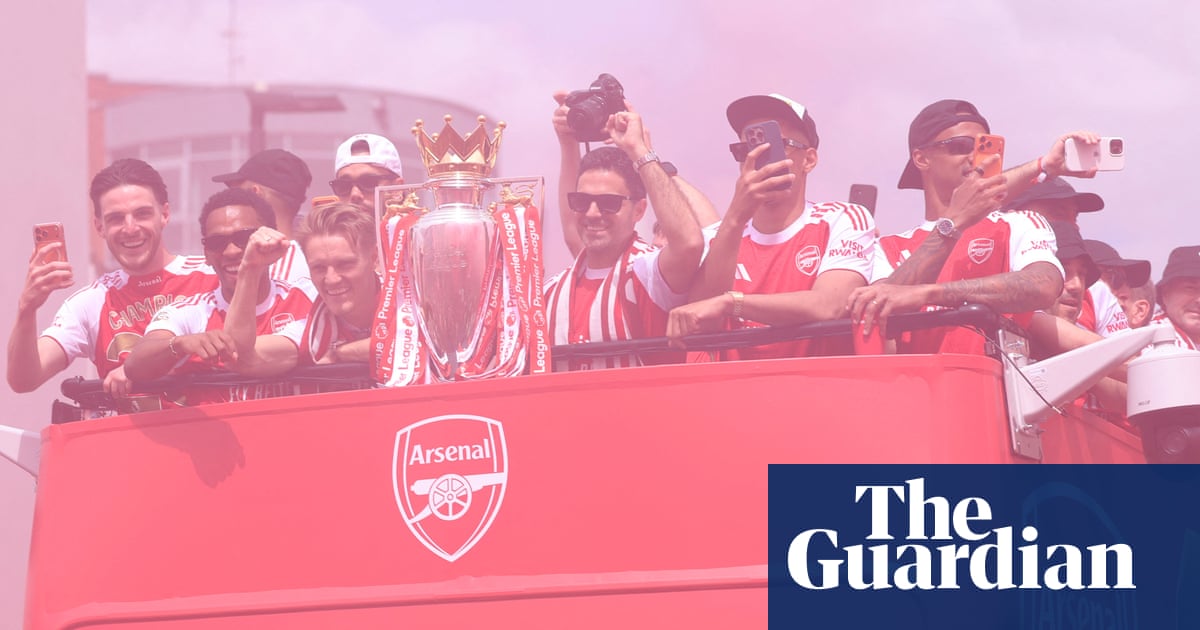
Arsenal secured their first Premier League title in 22 years, yet the aftermath provides a sobering check on the club's trajectory. While the city celebrated, the Metropolitan Police confirmed twenty-four arrests during Sunday's victory parade. These incidents stand in stark contrast to the tactical discipline displayed on the pitch across the 2025/2026 season.
Quantifying the decline in order
Measuring success in football often ignores the operational weight of hosting a massive victory celebration. The shift from on-field dominance, defined by a 74% average possession rate in final-third entries against bottom-half opposition, to urban disorder signifies a disconnect between fan engagement and administrative foresight.
Reports indicate that the BBC noted the intensity of the crowds, but the volume of arrests suggests a security failure. When the club maintains such high standards for recruitment and tactical transition, the lack of control at a public event points to a lack of preparation compared to the precision on display at the Emirates.
Fiscal pressure in the window
The euphoria of silverware rarely masks the underlying math for long. As the summer transfer window opens, the fiscal health of the league is under strain due to PSR compliance requirements. The need for aggressive squad management remains, especially when one considers that the cost of top-tier talent has risen by nearly 18% compared to the 2023 transfer period.
Clubs like Arsenal are no longer operating with a surplus. The demand for players like Ousmane Diomande hinges on liquid cash that most teams simply do not have without offloading internal assets first. We are seeing a shift where net-spend is the primary metric for survival rather than the quality of the incoming personnel.
The reality of squad rotation
Every analysis of Arsenal's season reveals a reliance on a core group of ten players who clocked over 3,000 minutes each. This narrow rotation is unsustainable for a title defense. Given that the recent reports regarding transfer rumours suggest a limited budget, the club must reconcile its trophy-winning wage bill with the need for fresh defensive depth.
It is statistically surprising that Arsenal achieved an 82% pass completion rate while maintaining a high-press structure, yet this level of exhaustion led to late-season defensive lapses. In the final five matches, their xG against rose from 0.82 to 1.14 per 90 minutes. That surge isn't just luck; it is a visible fatigue factor that modern fitness tracking predicted weeks ago.
If the leadership in north London focuses more on managing parade crowds than mitigating the physical burnout of their starting eleven, the upcoming season will be truncated before it starts. The £140 million projected expenditure limit for the summer will have to be allocated perfectly. Any error in valuation now will effectively neutralize the competitive advantage gained during the 2026 campaign.
Read Next
- Arsenal’s parade optics mask a looming 2026 tactical regression
- Arsenal parade proves the league is just the start
- Arsenal's trophy parade hangover is a dark look for the champions
- Arsenal's trophy parade descent into violence is a massive reality check
- ⭐ UCL 2026 — Champions League Quarter-Finals Hub