The shift in Bayern Munich’s summer recruitment strategy
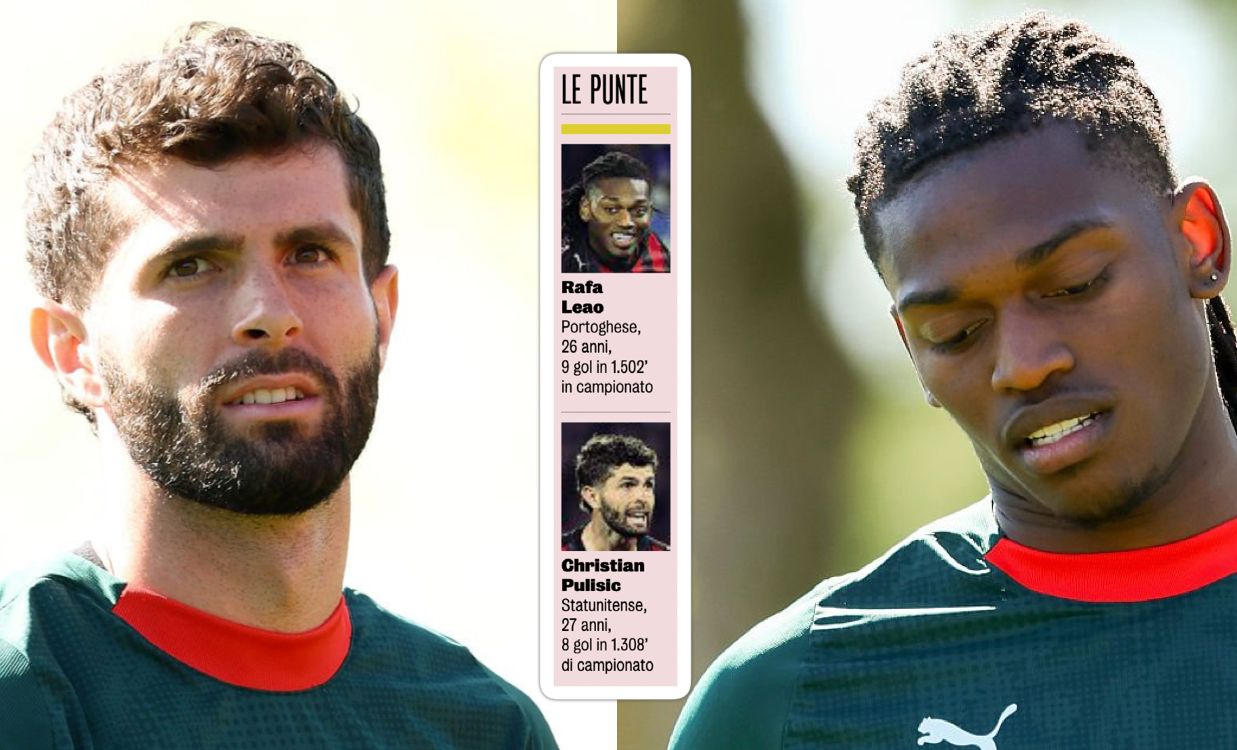
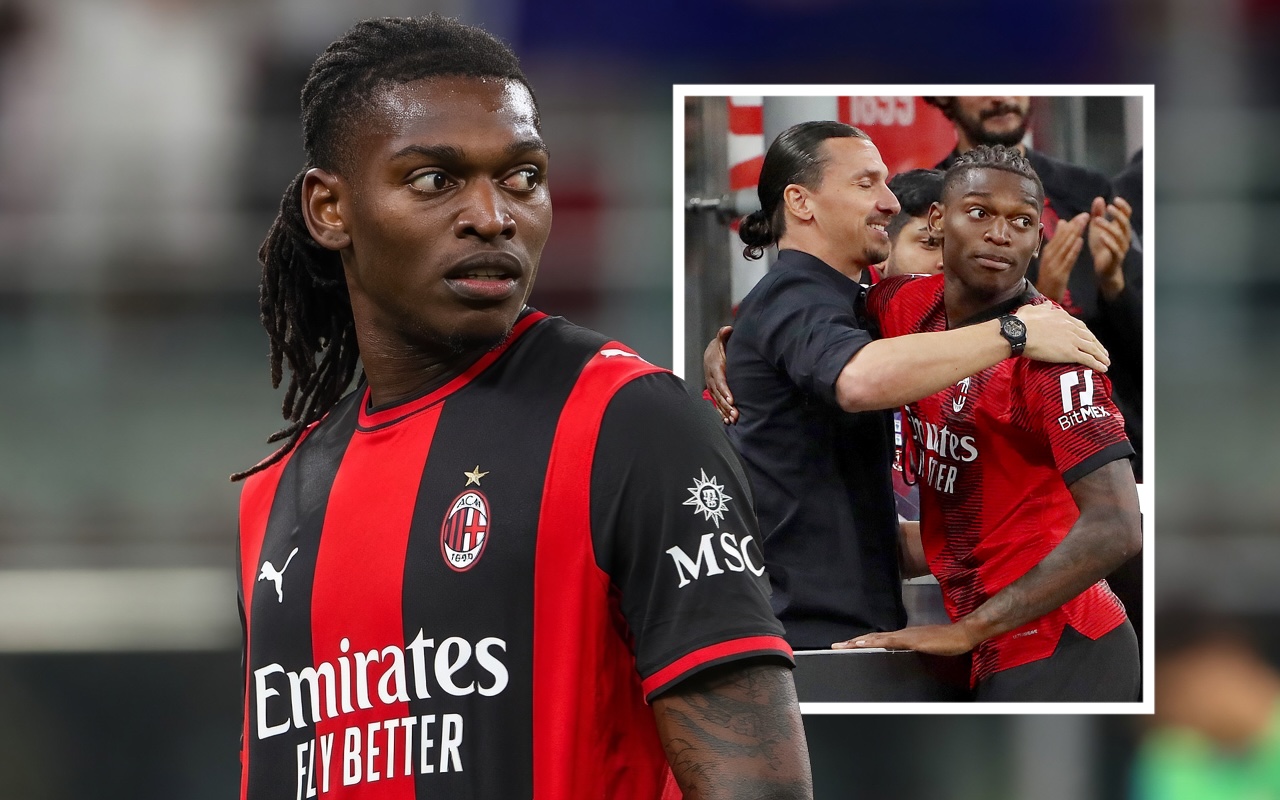
Bayern Munich have formally withdrawn from the pursuit of AC Milan forward Rafael Leao. The German giants cited concerns regarding Leao’s status within the dressing room at the San Siro as the primary catalyst for the decision.
Reliable reports from Christian Falk indicate that Bayern’s scouting department identified internal friction as a non-negotiable roadblock. The club is prioritizing squad cohesion to support their upcoming campaign under a fresh technical vision.
Martinelli also off the board for the Bavarian giants
Bayern’s internal deliberations reached a definitive conclusion regarding Arsenal forward Gabriel Martinelli as well. Club decision-makers have determined that pursuing the Brazilian attacker is not a viable path for their current transfer window objectives.
While Martinelli remains a pivotal piece of Mikel Arteta’s tactical framework at the Emirates, rumors linking him to a high-profile move to Munich have been effectively dismissed. As TeamTalk reported earlier this week, the decision to move away from this specific target is clear, leaving Bayern to hunt for alternatives in wide positions.
Assessing the tactical vacuum at the Allianz Arena
The failure to secure these high-profile marquee signings highlights a disjointed start to the window for Bayern Munich. Fans have a right to be skeptical, as the club faces a significant challenge in retooling an attack that struggled to maintain consistency throughout the 2025/26 season.
Missing out on both Leao and Martinelli suggests a failure in early-stage scouting vetting or an unrealistic pricing expectation compared to market reality. Without a marquee arrival in the final third, the creative burden remains firmly on the veterans.
Historical context and the impact on club valuation
Bayern Munich historically prides itself on an efficient transfer market approach. However, their recent inability to land top-tier left-side attackers mirrors their struggles to replace long-term legends in recent years.
When a club of this magnitude publicly walks away from targets due to character or dressing room fit, it rarely serves as an isolated incident. It often signals a deeper divergence between the scouting department and the coaching staff regarding the squad's requirements.
Looking ahead to the World Cup break
With the 2026 FIFA World Cup looming, the window for negotiation is narrowing rapidly. Most major European clubs are choosing to pause recruitment talks to focus on tournament performance.
Bayern’s current tactical posture is risky. If they enter the new season without reinforcing their wing play, the pressure on individual performers like Jamal Musiala will balloon. Failure to pivot effectively could lead to a volatile autumn period for the coaching staff.
Strategic implications for the Premier League and Serie A
Arsenal benefits significantly from the news that their winger is no longer considered a target for the Bundesliga leaders. Retaining a core rotation player during a high-stakes transition period provides necessary internal stability.
Conversely, AC Milan faces a unique dilemma. If the dressing room concerns cited by external suitors like Bayern are substantiated, the club must address these internal cultural issues before their domestic rivals attempt to capitalize on the instability.
Whether these departures from the negotiation table lead to a flurry of lower-profile signings or a quiet window remains the million-dollar question for the supporters. Bayern’s management will now turn their focus to the secondary tier of their recruitment list, hoping to avoid the mistakes of previous seasons where late reactionary moves yielded limited returns on the pitch.
Ultimately, this is a moment of reckoning for the club’s leadership tier. Standing still in the 2025/26 season after disappointing domestic finishes is not an option. If the current executive strategy is to avoid high-cost risks that possess potential behavioral baggage, the club must pivot to extreme efficiency in their scouting of emerging talent abroad.
Summary of the current recruitment standing
The total spend for the summer remains stagnant while competitors in the Premier League continue to bolster their squads. A failure to adapt to the accelerating market costs for elite wingers could result in a significant drop-off in output during the 34-match Bundesliga season. It is a critical juncture for a club that prides itself on being the standard-bearer for the German game.
Read Next