The shadow of the opening match
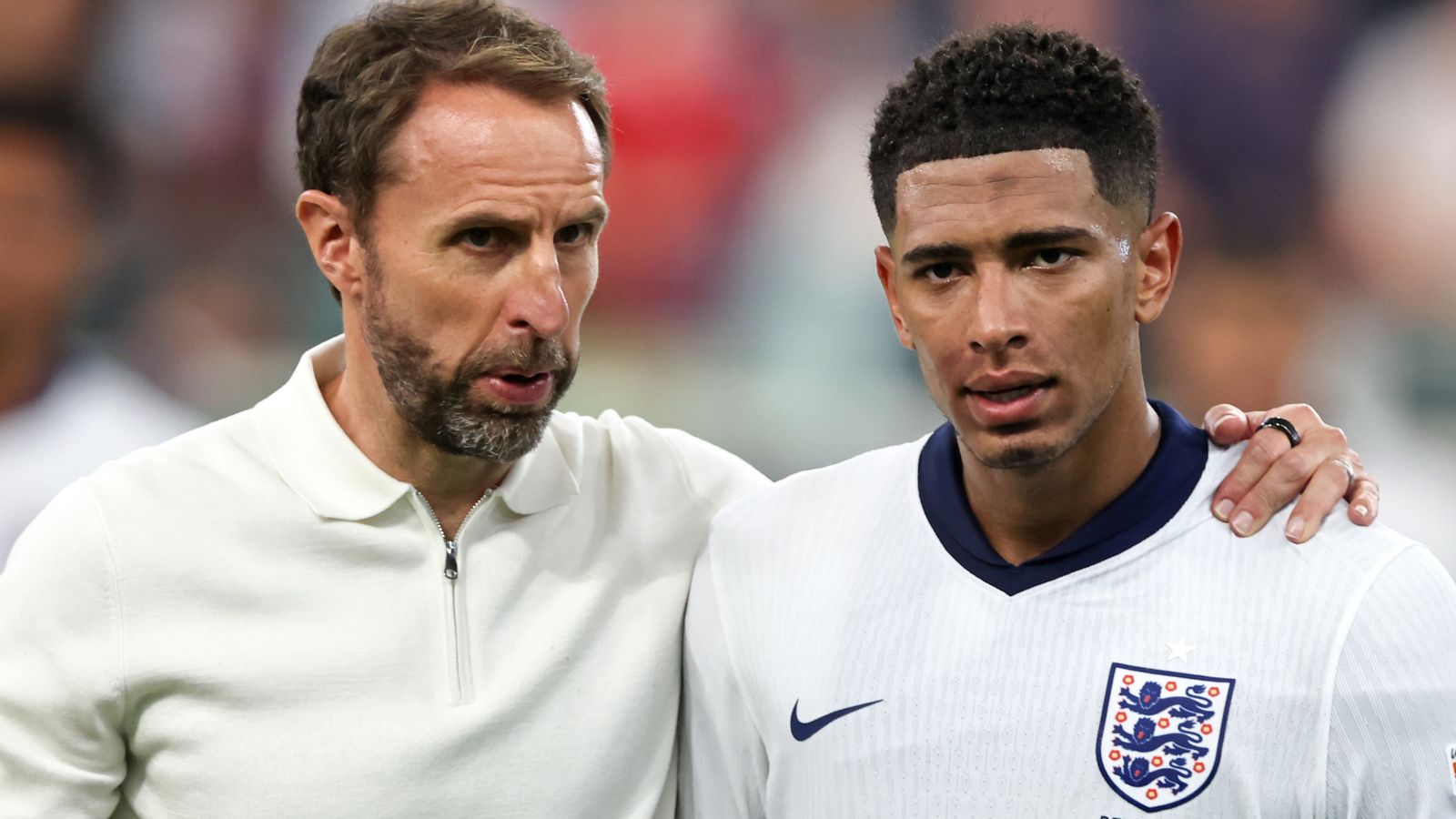
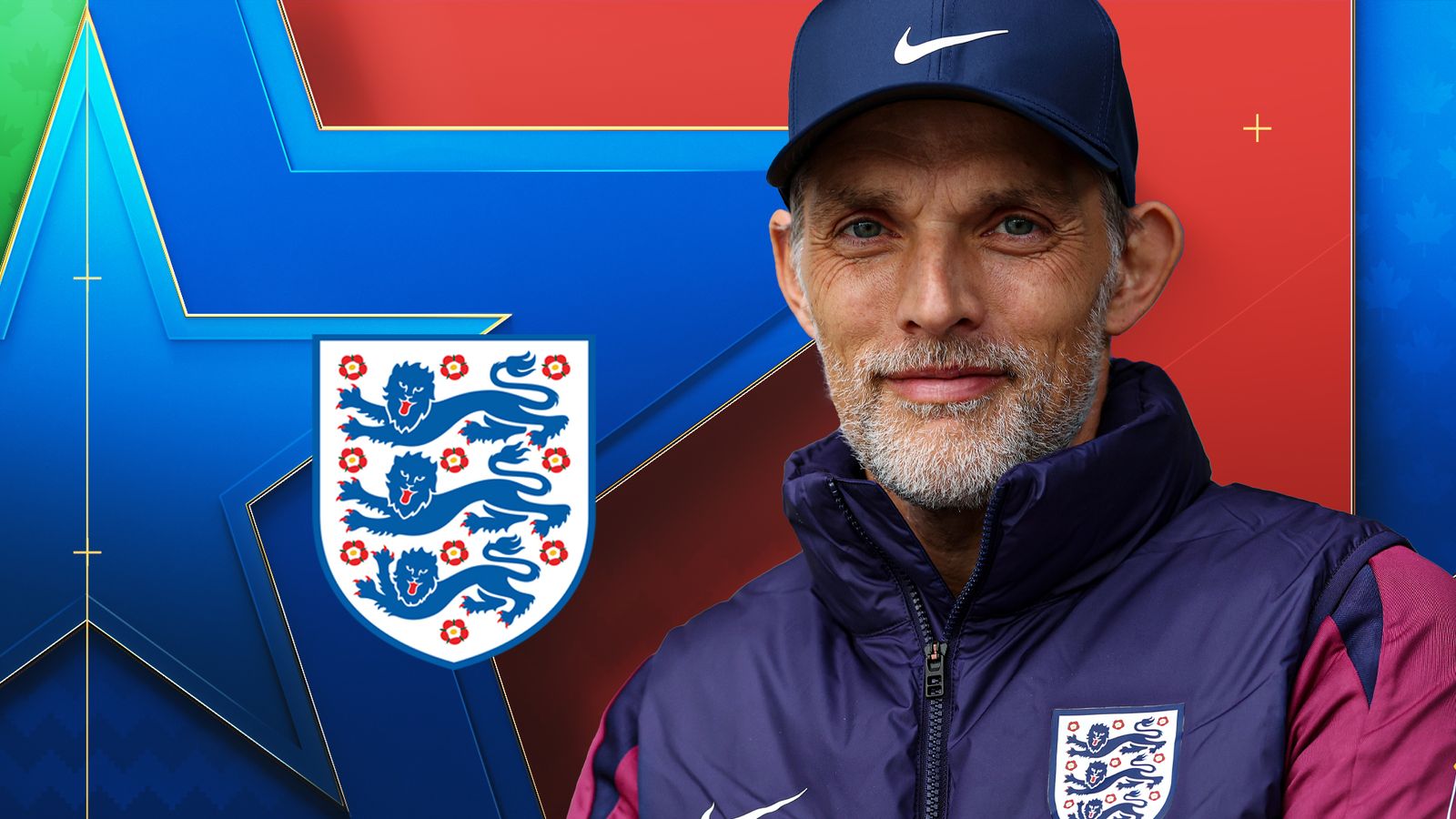
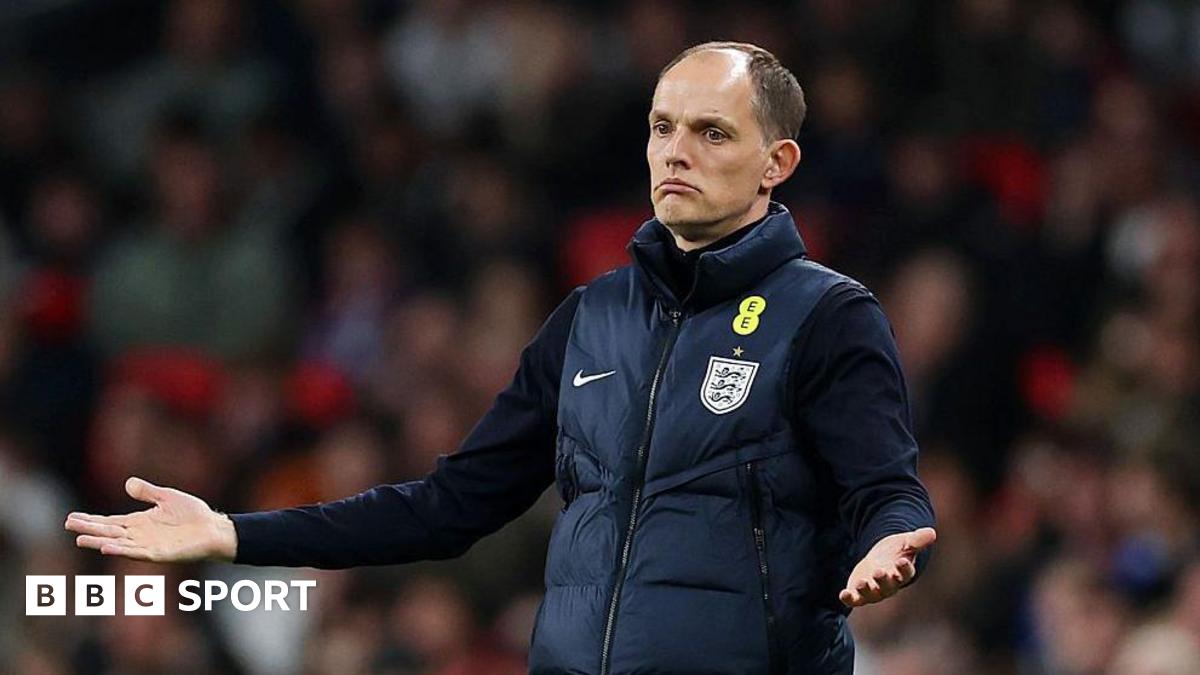
As the clock ticks down toward June 11, the mood inside the England camp in Miami feels less like a celebration and more like a high-stakes calculation. Thomas Tuchel has his squad assembled, but the recent 1-0 win over New Zealand did little to quiet the murmurs of doubt that follow this group. While the result was a victory, the uneven turf and lack of conviction in the final third suggested a side still grappling with its own identity.
We have seen this script before. England arrives at a major tournament layered with expectation, bolstered by the individual brilliance of Jude Bellingham, Bukayo Saka, and Phil Foden. Yet, the disconnect between that sheer talent and coherent execution remains the ghost in the machine. As The Guardian noted during the buildup, the friendly felt like a footnote, a necessary formality that provided more questions than answers about the team's tactical shape.
The weight of history and expectation
Sixty years of hurt is a heavy mantle to carry, and the pressure on Tuchel to deliver is immense. This squad is objectively one of the most gifted the country has produced, yet tournament football rewards cohesion over star power. With the tournament about to span across North America, the external variables are mounting. From FIFA’s frantic policy shifts on stadium logistics to the growing unrest near host cities, the distraction factor is real.
The defensive concerns are the most glaring. Tuchel is still tinkering with his defensive line, and the lack of a dominant, settled partnership at the back could be exploited by more clinical opposition. If England cannot control the tempo in the midfield—where the burden largely sits with Bellingham—they risk being exposed by sides like France, who arrive with their own questions about whether Didier Deschamps will finally let his attackers off the leash.
What is actually at stake
For this group, finishing second or having a "good run" is no longer the metric for success. This is a cohort of players entering their prime years. If they fail to secure the trophy, the narrative shifts from "promising generation" to "underachieving anomaly." The pathway through the group stage looks manageable on paper, but history shows that minor lapses in intensity against organized opponents can derail a campaign before it properly begins.
The reliance on Harry Kane remains total. He is the fulcrum, the captain, and the primary goal threat, but his fitness and form in tournament conditions have frequently dipped once the intensity sharpens in the knockout stages. If England is forced into a slog, it is unclear if there is a Plan B beyond individual flashes of brilliance. The tactical rigidity that plagued previous cycles still lingers, waiting to be tested by sharper opposition than what they faced in their warm-up match.
The verdict
England will almost certainly navigate the group phase based purely on technical superiority, but their path beyond that looks treacherous. Without a more decisive approach to their defensive transition and a more varied offensive game plan, the quarter-finals likely represent their ceiling. Anything less than a semi-final appearance will be viewed by a demanding home press as a failure, regardless of the quality inherent in the squad.
Read Next
- The 48-team uncertainty hanging over the North American World Cup
- Argentina’s Long Goodbye: Can Messi Rewrite History in 2026?
- Can Brazil finally exorcise their demons on the North American stage?
- Harry Kane is still the central pivot for England's World Cup hopes
- 🏆 World Cup 2026 — Full Coverage Hub
- 🏴 England World Cup 2026 — Three Lions Hub