
Brazil's World Cup opener against Morocco is a tactical minefield
Tactical friction in the Brazilian camp
Today’s opening fixture between Brazil and Morocco offers more than just a standard group stage formality. The Seleção arrive at this tournament with an identity crisis that seems to sharpen with every passing session. While the focus on their offensive pedigree is automatic, their rigid positioning in the final third has become a predictable habit rather than a lethal tool. Against a Moroccan side that thrives on the fluidity of its defensive blocks, this stagnation could prove fatal.
Thomas Tuchel’s recent influence on the wider international sphere has placed pressure on Brazil to keep pace with modern, high-pressing standards. However, the disconnect between their defensive line and the advanced attacking quartet remains glaring. We saw this in recent friendlies where the gap between the holding midfielders and the front three grew to as much as 30 meters during transitions. This space is exactly where Morocco, led by the tactical discipline demonstrated in their recent campaigns, will aim to exploit on the counter.
The defensive liability at the heart of the Seleção
Brazil’s reliance on individual brilliance often masks structural rot. In the setup leading to their arrival in North America, their pass completion rate in the defensive third dropped 12 percent under pressure compared to previous cycles. This suggests a lack of confidence in playing out from the back when facing aggressive man-marking. When looking at the upcoming challenge, one must consider if their personnel can handle the verticality that Morocco brings to the pitch.
As Sky Sports reported in their live coverage of this clash, the personnel choices have been scrutinized heavily. There is a palpable hesitation regarding the integration of young central defenders into the starting XI. If the high line is breached early, the recovery pace of the veteran fullbacks will be the team’s only salvation. It is a gamble that rarely pays off against organized counter-attacking units.
Midfield imbalance remains a constant
The midfield pairing for Brazil is designed for possession, yet it lacks the bite required to stifle transition attacks. By removing a dedicated ball-winner, they effectively grant the opposition carte blanche to operate in the half-spaces. We witnessed England navigate similar issues before their own current preparation descended into a logistical mess in Kansas, proving that international management remains a minefield of ego and poor planning management.
If Brazil cannot secure the center by the 15th minute, Morocco will force the game into a chaotic state where the technical advantage of the South Americans is nullified. Watching how these patterns develop will be the true test for the manager. This is not just a match for points; it is a referendum on whether Brazil can adapt to the modern necessity of a compact, shifting unit. As noted in recent analysis of the squad friction, the lack of unity often starts in the tactical room, not just the locker room.
The threat of a slow start
Statistics rarely lie when it comes to tournament starts. Teams that fail to establish a rhythm within the first half-hour statistically see their chances of winning drop by 40 percent. For Brazil, the obsession with elaborate build-up play often leads to a failure to capitalize on early chances. If they do not find the back of the net by the 30th minute, the intensity from the crowd will only heighten the pressure on a defense that has looked shaky under sustained, direct attacks.
There is also the matter of the pitch conditions, which have been a subject of quiet murmurs throughout the training camp. If the surface does not allow for quick, lateral movement, Brazil’s reliance on technical flickers will be neutralized. This is a game of fine margins. One misplaced pass in the middle of the park, and the narrative shift away from internal squabbling becomes almost impossible to reverse. They need a dominant display, not just a result.
Read Next
- Brentford’s Igor Thiago takes center stage for Brazil
- Neymar is missing the opener, and Brazil's gamble looks reckless
- Ancelotti's Brazil experiment is destined for an early stumble against Morocco
- Tuchel's England selections are already inviting trouble
- 🏆 World Cup 2026 — Full Coverage Hub
- 🇧🇷 Brazil World Cup 2026 — A Seleção Hub
- 🇲🇦 Morocco World Cup 2026 — Atlas Lions Hub
Roku Streaming Stick 4K | Streaming Device 4K/HDR/Dolby Vision with Roku Voice Remote and TV Controls
The easiest way to stream every match in 4K.
Frequently Asked Questions
What are the primary tactical weaknesses in the Brazilian squad?
How does Morocco intend to exploit Brazil's current formation?
Why has Brazil's pass completion rate dropped?
What concerns exist regarding Brazil's defensive personnel?
Why is the first 15 minutes of the match critical for Brazil?
More Coverage
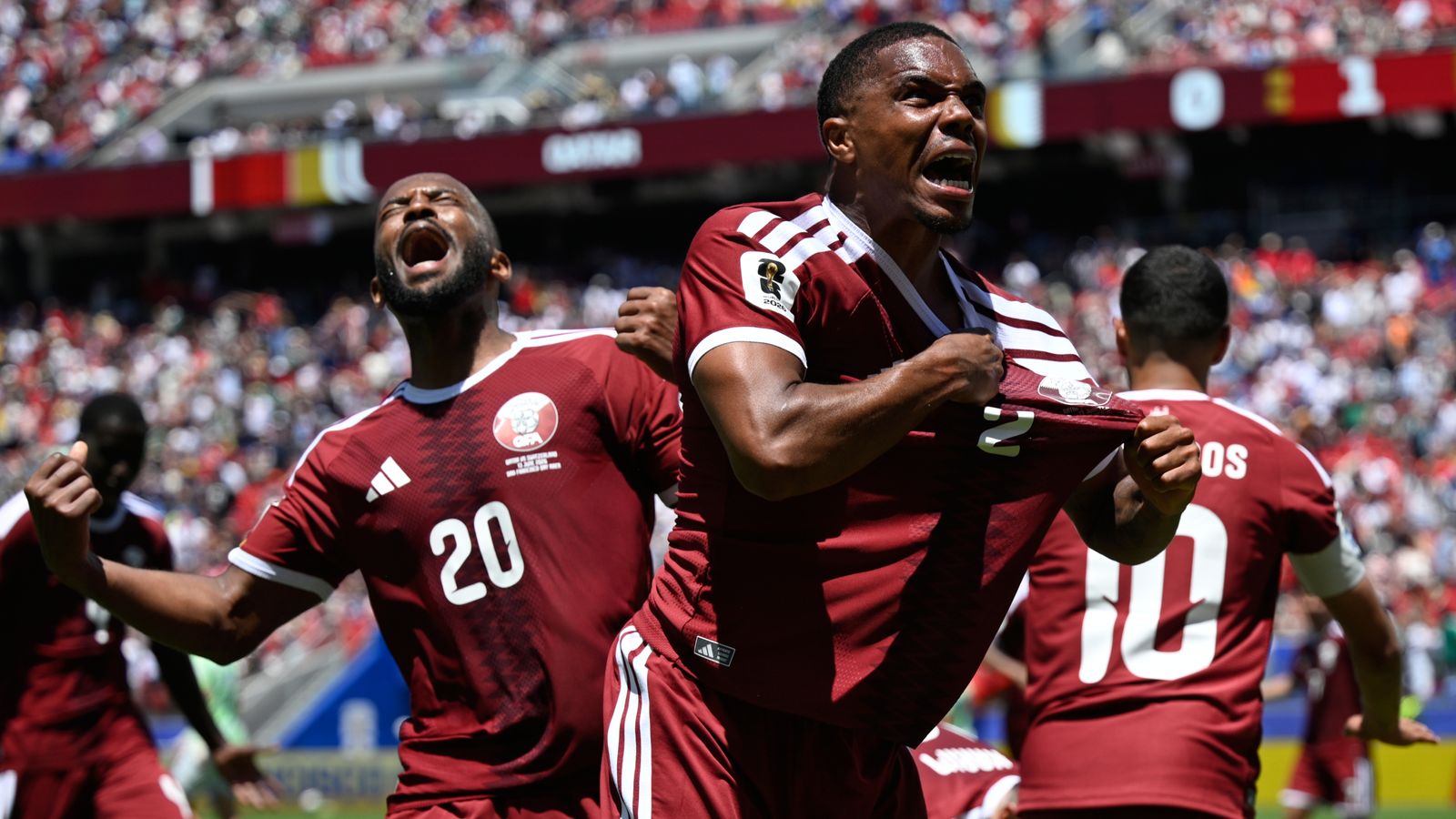
Qatar prove stubborn at the World Cup despite Swiss dominance
58 minutes ago
Qatar’s point against Switzerland is the weirdest result of the summer
an hour ago
England's World Cup prep has descended into farce
an hour ago
Tuchel's England selections are already inviting trouble
an hour agoBrentford’s Igor Thiago takes center stage for Brazil
2 hours agoSwitzerland’s clinical efficiency outweighs Qatar’s defensive structural gaps
3 hours agoMore Analysis
Qatar prove stubborn at the World Cup despite Swiss dominance
58 minutes ago
Qatar’s point against Switzerland is the weirdest result of the summer
an hour ago
Top 10 Football Moments: The Defining Sequences of the Season
an hour agoTop 10: The Definitive Moments of the 2026 World Cup Group Stage
an hour ago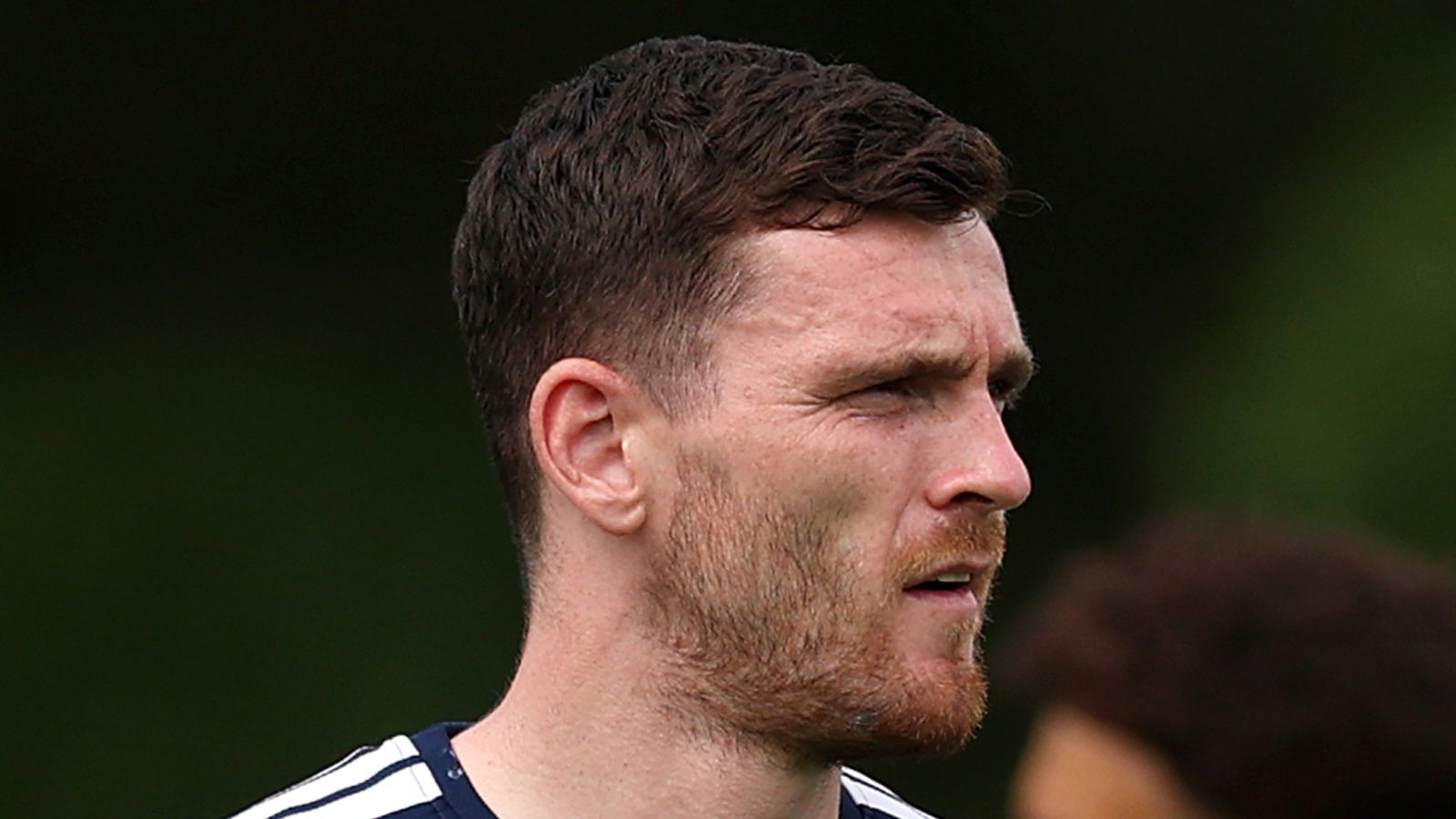
Scotland is ready to end the misery
an hour ago