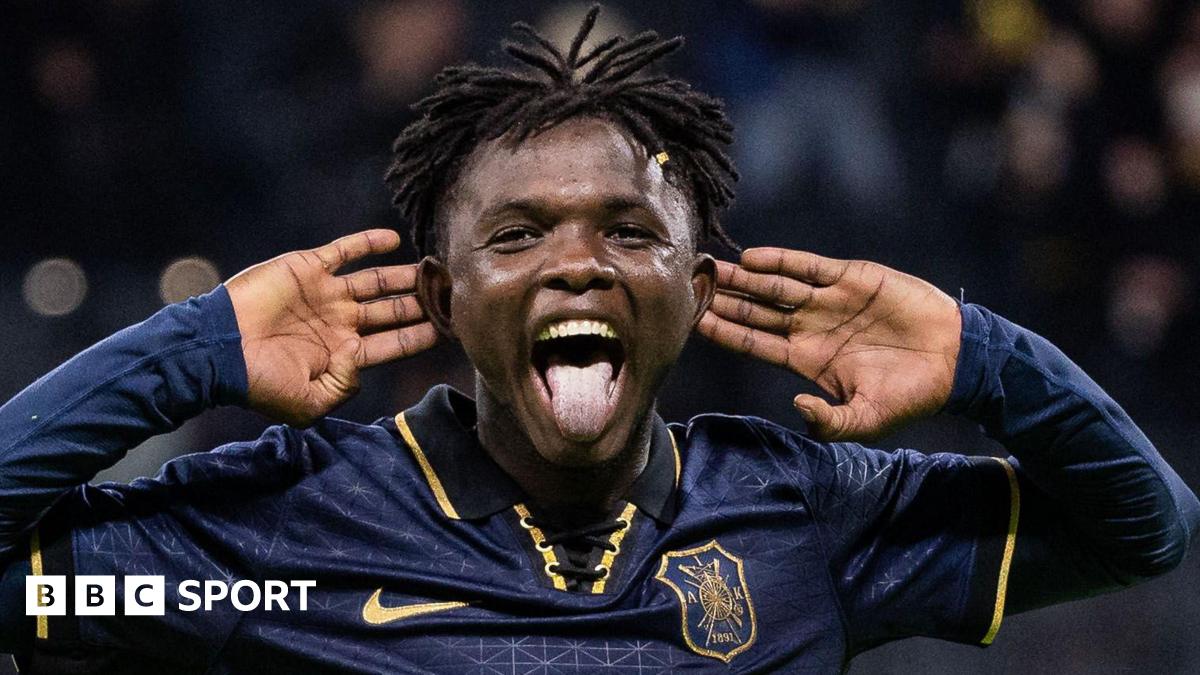
Another day, another puzzle piece in the Brighton project
Brighton just grabbed Costinha from Olympiacos on a five-year deal, and honestly, I am here for it. If you have been paying attention to how the Seagulls operate, you know they do not just buy players; they hunt for specific archetypes in back-alleys of the transfer market that nobody else is even looking at.
The Portuguese defender is moving to the Amex Stadium on a deal that keeps him in Sussex through 2031. It is a massive commitment for a guy moving from the Greek league to the meat grinder of the Premier League. As the club confirmed, this is the type of move that usually signals a deeper tactical shift in how they intend to build from the back.
Why this could backfire
Let’s be real for a second. Brighton’s recruitment record is legendary, but even the best scouts swing and miss. Olympiacos fans are shedding tears because they know what they had, but the jump from the Super League Greece to the madness of the English top flight is like moving from a junior varsity game to a cage match.
If Costinha struggles with the pace of a counter-attack led by someone like Mo Salah or Kai Havertz, the honeymoon period is going to end before the first international break. Brighton have built their reputation on finding gems, but the pressure to deliver immediate results is higher than it has ever been. Five years is a long time if the transition turns into a disaster.
The math behind the madness
We see teams chasing instant glory by throwing £80 million at a striker who cannot pass a physical. Brighton does the opposite. They look for players who fit their specific system requirements first and price points second. It’s an exercise in efficiency that makes every other boardroom in England look like they are lighting money on fire during a cold winter.
Costinha brings a specific blend of agility and positioning. If you look at their defensive metrics from last season, they were often exposed against teams that played direct, physical football. Bringing in a player from a technical league like Greece suggests the coaching staff wants more composure in the final third of the pitch. Or they just value his ability to track back when their full-backs are inevitably playing as wingers.
The view from the bar
You can see the vision, even if the execution remains a massive question mark. If this guy hits, he’ll be worth triple his transfer fee by the time he hits his mid-twenties. If he flops, it’s just another name on a list of experimental signings that didn't stick.
Brighton’s approach is refreshing because it refuses to play by the rules of the big six. They treat the transfer window like a game of 4D chess while the rest of the league is still trying to figure out how to play checkers. We will find out in three months if this was a genius move or just another expensive souvenir from their European scouting trips.