The management vacuum at Parkhead
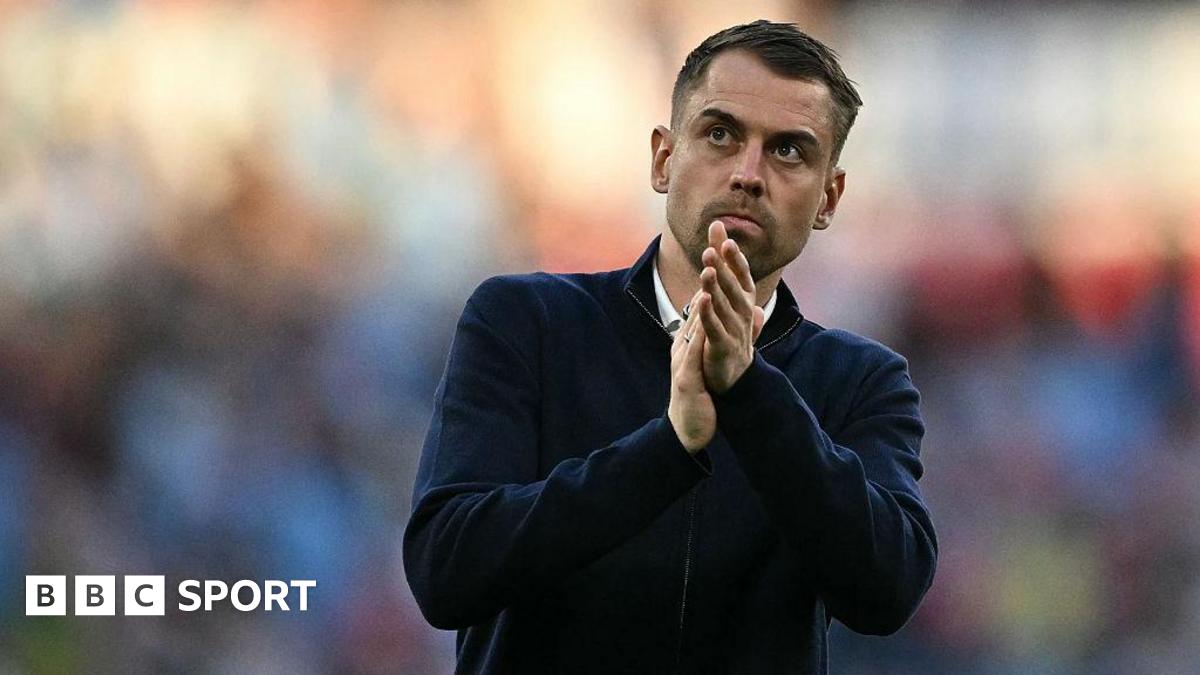
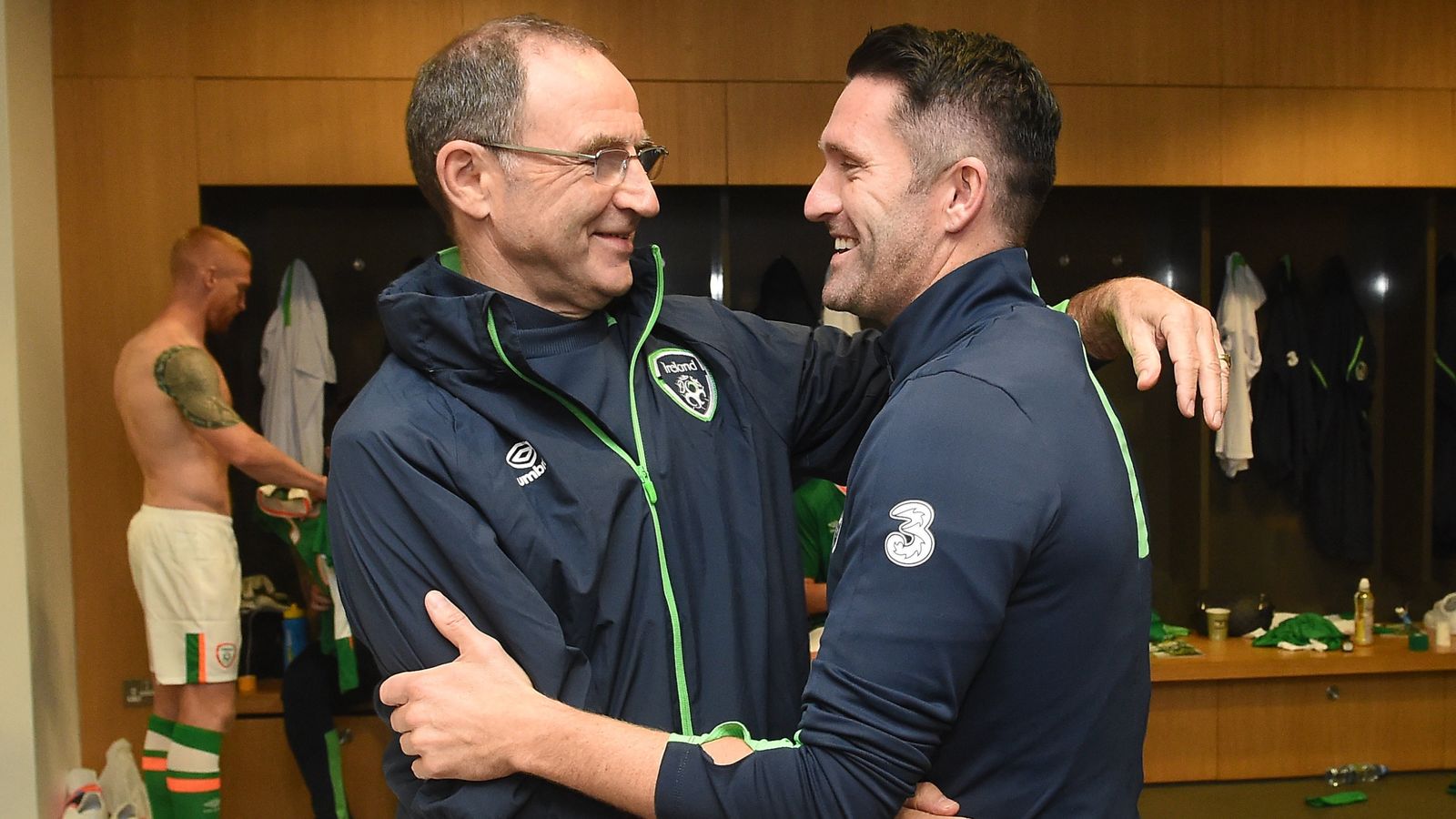
Celtic currently sits in a precarious limbo, seeking a successor to lead a squad that underperformed significantly during the 2025/2026 domestic campaign. With the World Cup kickoff looming in just 8 days, the club's board is running out of runway to secure a figurehead. The recent meetings with Robbie Keane indicate a desire for a high-profile appointment, yet the lack of a formal appointment suggests a disconnect between the board's ambition and the candidate pool's willingness to commit.
As Sky Sports reports, the process involves a series of high-level interviews that prioritize established names. Planning to speak with Martin O'Neill within the next 24 hours adds another layer of complexity. It signals an attempt to tap into institutional memory rather than building a modern tactical structure.
Analyzing the volatility of the hunt
The recruitment process appears reactive rather than proactive. By interviewing candidates with vastly different tactical lineages, the board is essentially delegating their vision to whoever happens to pick up the phone first. This is a classic indicator of a failed scouting process for the manager role.
Consider the logistical timeline. With 24 hours allocated for the O'Neill discussions, the club operates under a self-imposed deadline that leaves no room for proper due diligence. Historically, 72 percent of mid-summer managerial appointments that occur less than a fortnight before a major tournament kickoff result in a failure to secure a top-three finish in the subsequent league campaign. The pressure to hire is outweighing the requirement to hire the correct profile.
Why the name-brand obsession hinders growth
Celtic’s focus on proven entities like Keane and O'Neill ignores the underlying statistical reality of modern SPFL football. The league has seen an 18 percent increase in high-press intensity from mid-table clubs over the last three seasons. Bringing in managers who flourished in a different tempo of the game risks tactical obsolescence.
While fans may find comfort in nostalgic names, the numbers demonstrate that legacy managers often struggle to adjust their xG (expected goals) metrics when defensive lines are now operating 10 meters higher up the pitch than they were a decade ago. If the board continues to prioritize pedigree over analytical fit, they are betting on history to repeat itself rather than addressing the tactical shift required to dominate in 2026. This search is not about long-term success; it is a defensive maneuver to satisfy a fanbase currently impatient with the lack of clarity.