Public health hits the pitch
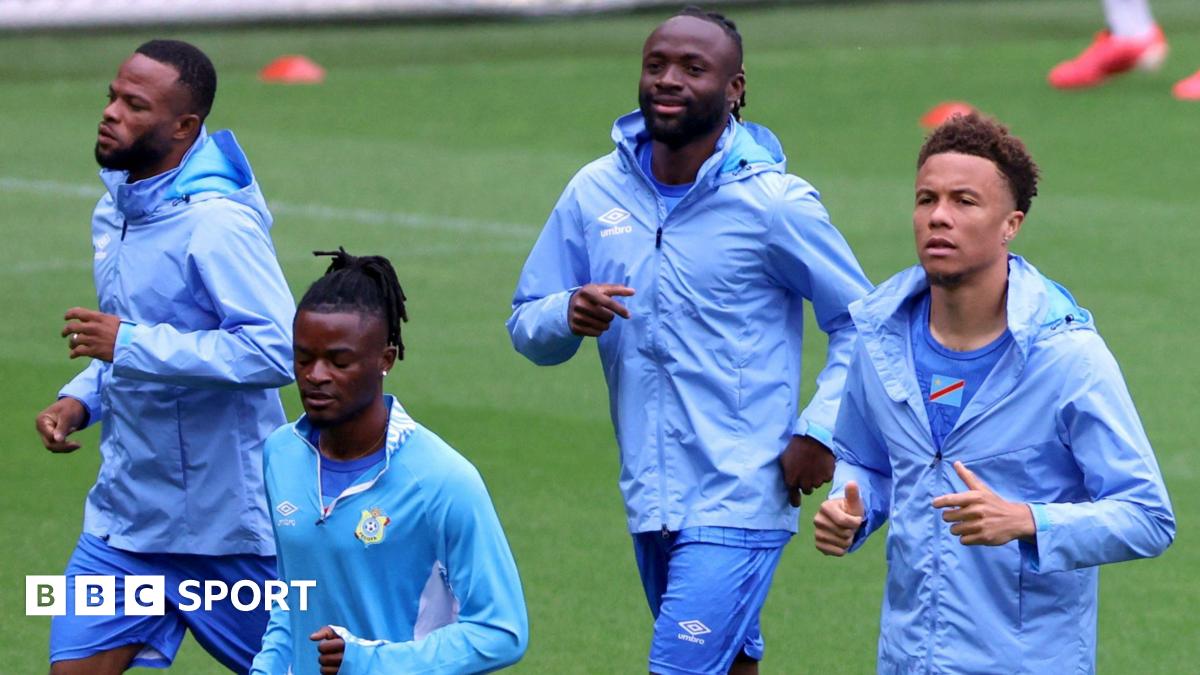
So, we are nine days out from the 2026 World Cup kickoff, and the international football calendar is already shedding matches like a heavy tackler losing his balance. We just got word that the DR Congo friendly against Chile in Spain, which was supposed to happen next week, has been scrapped entirely. The reason? Authorities in Spain slapped a hard stop on the proceedings because of the ongoing Ebola outbreak back in the DRC.
Look, I get it. Nobody wants to be the guy who greenlights an international gathering when there is even a breath of a health crisis. But the timing here is absolutely brutal for both squads. You have teams trying to shake off the rust, test their tactical wrinkles, and figure out who actually deserves the shirt before the tournament starts. Now? One side is stuck in logistical limbo while the other just lost a high-level sparring partner.
The squad impact is massive
Let’s talk about what this means for the players on the ground. You have to be a specific kind of mental athlete to prepare for a friendly at this level, where the intensity is supposed to ramp up but the stakes remain domestic-friendly. When you pull the plug this close to the match, the ripple effect on training schedules is disgusting.
The DRC manager now has to scramble for a replacement opponent or waste these precious days on intrasquad scrimmages that never replicate the pressure of a real opponent. Meanwhile, Chile is left staring at an empty slot in their diary. It is a nightmare for the scouting department that was likely flying into Spain just to run eyes over specific patterns, pressing triggers, and defensive transitions.
Football versus reality
We like to pretend the beautiful game exists in a vacuum where goals, offside traps, and VAR controversies are the only things that matter. But reality has a funny way of kicking the door down. We saw this back when the BBC reported the cancellation, and it reminds me that sports are just a layer on top of a much more chaotic, unpredictable world.
Is it frustrating? Absolutely. But pretending a stadium full of people and a traveling squad shouldn’t be subject to global health protocols is peak entitlement. The organizers clearly didn't build enough cushion into their schedule to account for disruptions. It’s a recurring theme in international fixtures where planning feels like an afterthought. You can’t just pencil in a match across continents and expect the planet to move out of the way for your 90-minute window.
Where do they go from here?
With the World Cup start date lingering at June 11, 2026, pressure is mounting to get these matches locked in. You are looking at a compressed window where every practice session counts double. Playing against an opponent with a different tactical philosophy is the way to sharpen your squad, and losing that experience is a massive blow.
If the DR Congo FA can't find a local replacement team in Spain, their preparation for the summer is effectively dead in the water. You can't simulate a top-tier international opponent with a B-team or a local club side. That’s just glorified cardio. While the health concerns are undeniably valid and take precedence, don't ignore the fact that the match organization was likely skating on thin ice to begin with.
Ultimately, this is a reminder that sports administration is often held together by duct tape and high hopes. We treat these fixtures as guaranteed, but they are fragile. Watch how the federations scramble this week—the ones who handle this pivot gracefully are the ones who usually make deep runs. The ones who panic? They are usually the first ones heading home after the group stages.