The midfield pivot Manchester United needed
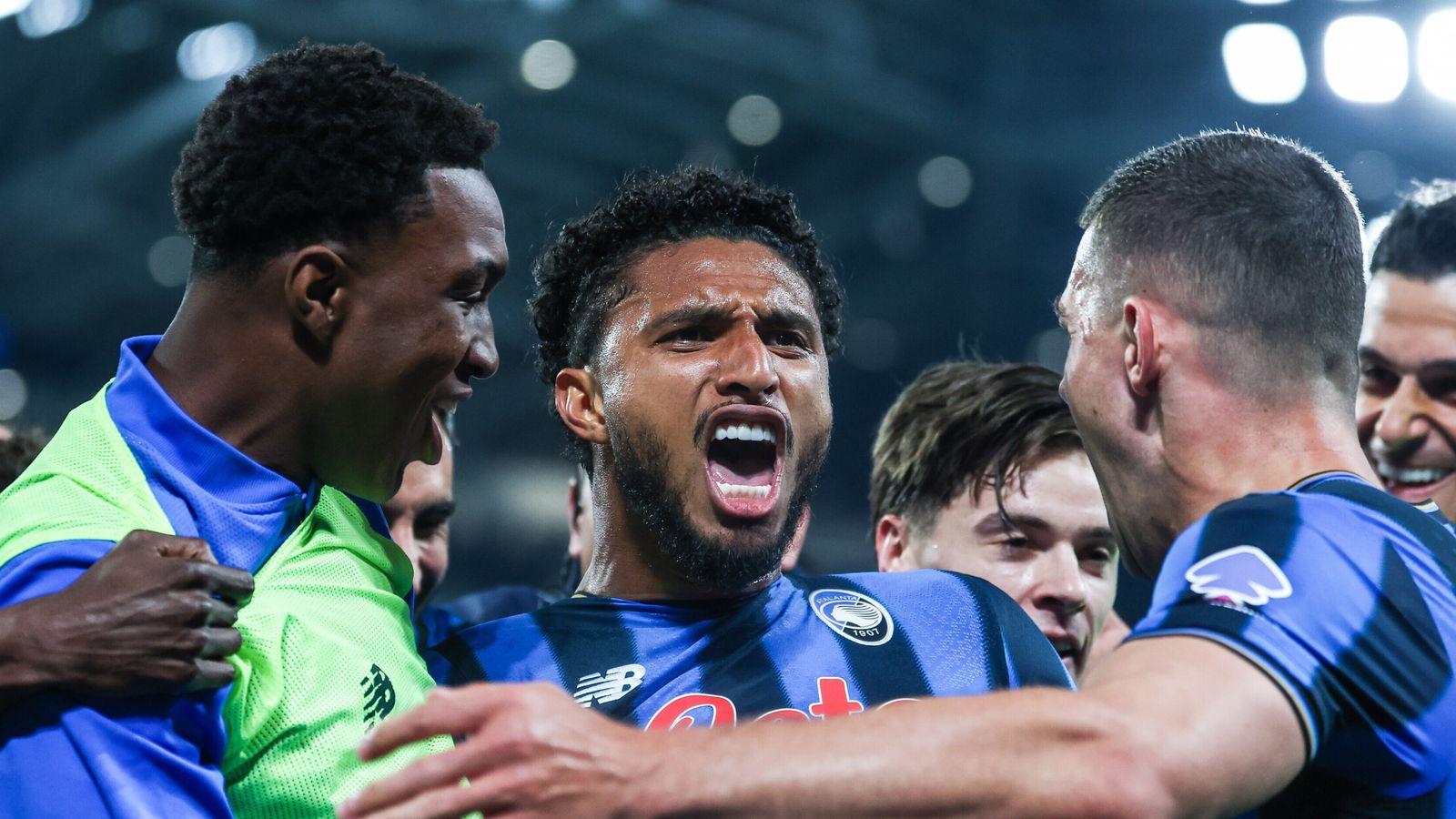
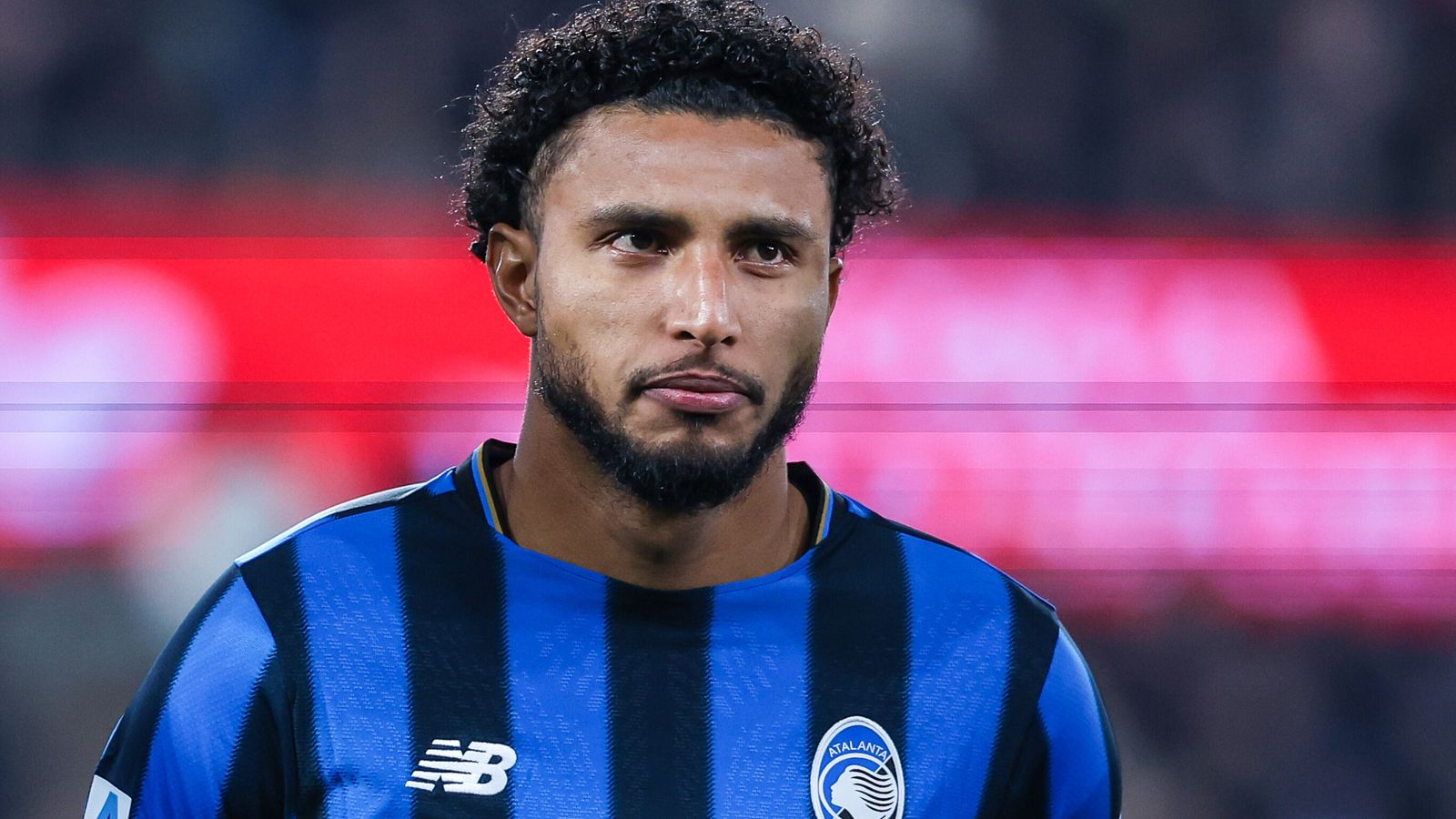
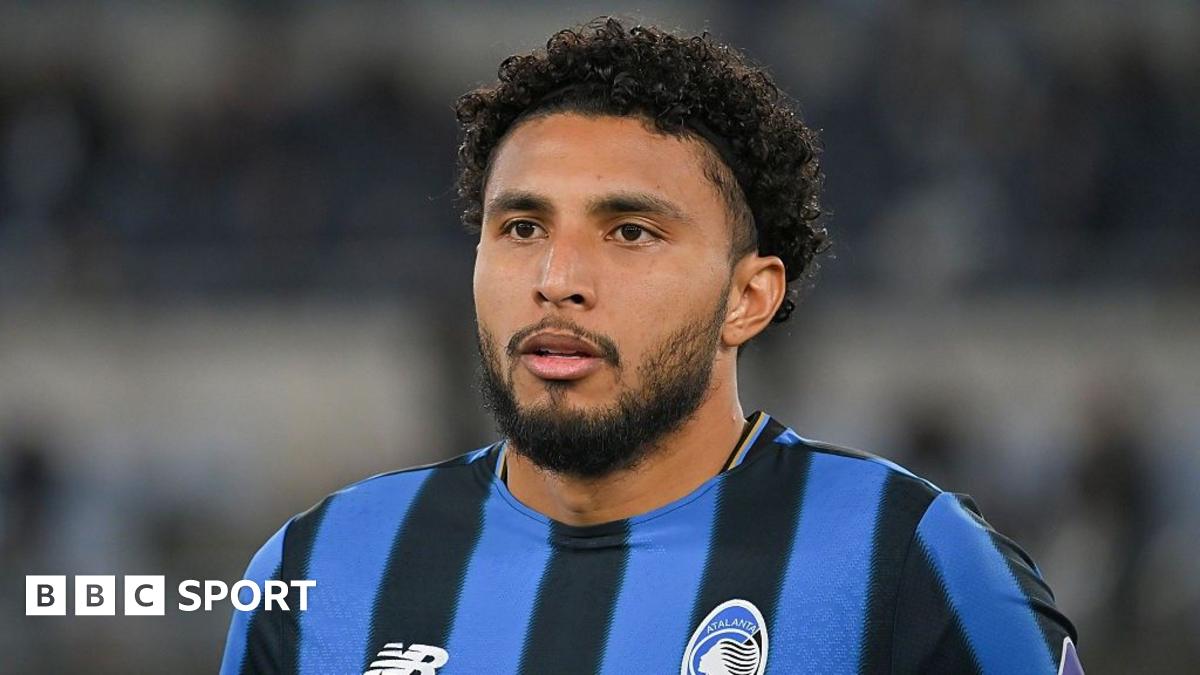
Manchester United have spent months building a profile for a high-energy transition midfielder. Atalanta star Ederson sat at the top of that recruitment list after a standout season in Serie A and deep Europa League runs. He represents the kind of aggressive ball-winner Erik ten Hag demands to stabilize a porous midfield unit.
The club had a deal effectively lined up for this summer window. Scouting teams were unanimous on his mobility and tactical discipline. Then came the medical setback that changed the arithmetic for the Old Trafford board. An injury sustained during the final stretch of the league campaign has shifted the timeline for any formal move.
The nature of the setback
Specifics on the injury remain guarded by the club’s medical staff, but reports confirm it is significant enough to pause high-level negotiations. Ederson was unable to complete the season’s final fixtures with the same intensity that characterized his winter form. This creates a friction point for United, who need the player ready for the start of the 2026/27 campaign.
As The Mirror reported, Manchester United are now facing a necessary waiting game. Rushing a transfer for a player who cannot undergo a medical at full capacity is a tactical error the current United hierarchy is desperate to avoid. They have seen previous windows derailed by fitness gambles.
Strategic consequences for the board
The delay forces United into a precarious position regarding their broader summer transfer strategy. If they move for Ederson, they risk anchoring a significant portion of their budget in a player currently sitting on the sidelines. If they pivot to an alternative, they gamble on a lower-tier target failing to meet the required standard for an elite Premier League side.
Historical data serves as a warning for United’s decision-makers. Spending on injured players has defined the club's worst recruitment cycles over the last six years. The board knows that any recurrence of this specific issue once the player arrives in Manchester would be a PR and financial disaster. Patience is being framed as caution, but supporters will interpret it as a failure to move early.
Industry ripples and competitor movement
The ripple effects are immediate. With United stalled, other clubs scouting the defensive midfield market are circling back to their secondary lists. While Atalanta remains in a strong contractual position, they are not immune to the market cooling if one of their most valuable assets is viewed as a physical risk.
This is a brutal lesson in the economics of modern scouting. A player’s value is never static; it is anchored to the 90-minute reliability of their physical frame. While the team remains hopeful for a return to full fitness, the uncertainty creates an internal vacuum. Every week the deal remains in limbo is a week the squad goes without its primary engine.
The reality check
Let’s be clear: this update is a negative development for a team that desperately needs a spine upgrade before the pre-season tour. The lack of clarity around the exact recovery pathway suggests a cautious process rather than a quick fix. Management is effectively playing a game of chicken with the player’s medical reports.
The 2026/27 season is looming, and United’s scouting department can no longer treat this as a simple administrative hurdle. They must decide if Ederson's ceiling is worth the immediate floor of limited availability. The delay allows other teams to scout the market for cut-price holding midfielders, effectively narrowing United’s window for a low-cost, high-impact acquisition.
The club reportedly continues to monitor his progress closely, but the urgency has dissipated into a series of bureaucratic check-ins. If the recovery stalls further, expect the focus to shift entirely. Manchester United have been burned too often by long-term injury carries. They know the fan base’s tolerance for slow-moving business is at an all-time low.