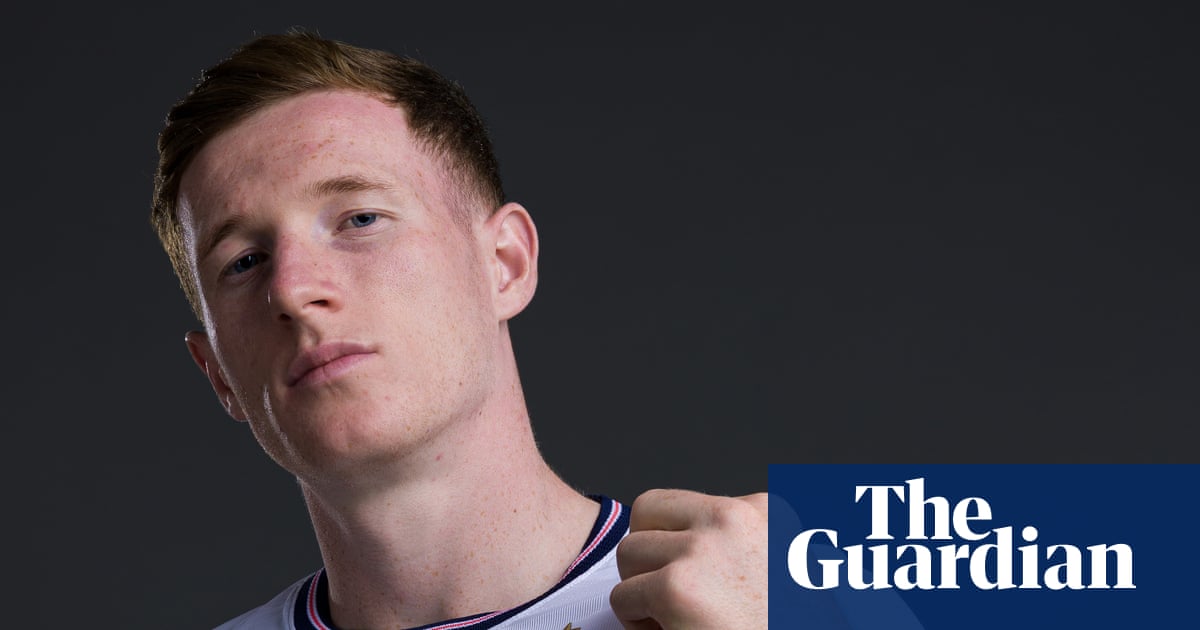
The status of Elliot Anderson's transfer
Newcastle United midfielder Elliot Anderson is currently navigating a complicated path toward a summer exit. While financial fair play regulations forced the club to consider high-value sales, an underlying muscle injury identified during recent medical evaluations has stalled momentum. Clubs monitoring the situation are reconsidering their bid structures as the prospect of an immediate contribution diminishes.
Reports confirm that the 23-year-old is dealing with a lingering issue that sidelined him periodically throughout the late stages of the 2026 domestic campaign. Rather than a acute, short-term knock, his current condition requires a measured ramp-up period to avoid aggravation. Teams interested in acquiring his services are evaluating whether the asset is worth the risk of an extended recovery timeline.
Broader impact on the market
As Mirror Football noted, the market for young, homegrown talents like Anderson remains hyper-competitive, even with complicating factors. Newcastle finds itself in a difficult spot where they need to move assets to balance the books, yet holding an injured player lowers the immediate return on investment. The club is reportedly looking to finalize business before the June 30 accounting deadline, keeping the pressure on the medical staff to provide a firm return date.
Competitors viewing Anderson as a depth-chart upgrade are now hesitant to commit to a full transfer fee. Negotiations have shifted toward performance-based incentives or loan-to-buy options that shift the risk onto the selling club. This tactical pivot is becoming the standard for mid-range assets dealing with soft tissue issues in recent market cycles.
Historical context and strategic outlook
Past Premier League transfers involving players with similar recovery timelines demonstrate a clear pattern. When a medical arrives with red flags, the buying club typically requests a secondary consultation or demands a significant reduction in the total package value. We saw this reality play out during previous windows where deals collapsed in the final 48 hours because of unresolved diagnostic reports.
From a fitness perspective, Anderson’s youth works in his favor, but the specific stress caused by his playing style—high-intensity pressing and quick turn-of-pace movements—makes his return to training a delicate balance. If Newcastle forces his return too early, the risk of recurrence increases exponentially. The club’s decision to manage this internally rather than pushing for a quick exit signals they are wary of a failed medical tanking a permanent deal.
The Liverpool and Arsenal factor
While Liverpool and Arsenal are busy spending aggressively—as detailed in reports on Sky Sports Transfer Centre—they are remaining disciplined regarding injury-prone targets. Arsenal’s current transfer strategy relies on high availability metrics; they have become extremely hesitant to sign players who cannot hit the ground running in late July. Liverpool’s recent spending spree, capped at 160 million pounds, indicates they are prioritizing established superstars over reclamation projects.
This lack of aggressive pursuit from top-table sides regarding Anderson shows that his medical profile is currently holding him back from a move to a Champions League-level applicant. Even with teams looking to fill squad gaps, scouts are noting that Anderson's movement during final training sessions has been restricted. It is a critical oversight for a player his age, as development time missed in early summer often impacts chemistry through the first month of the season.
Critical analysis of the situation
Newcastle’s handling of this situation is questionable. By allowing transfer talk to dominate the headlines while an injury remains unresolved, they are effectively advertising a damaged product. The lack of transparency regarding specific return dates creates an information vacuum that agents are filling with speculation.
If the club fails to move him because of this injury, they will have to account for an asset that sits on the books without providing immediate utility. The strategy of using youth products to clear accounts only works if those products are healthy enough to pass an independent medical. Any deal involving his departure will hinge on his fitness test, which industry sources suggest may not happen for another 14 to 21 days.