The 48-team nightmare becomes our reality
We are officially six days away from the 2026 World Cup kickoff, and let’s be honest with ourselves: this isn't a tournament anymore. It is an industrial-sized experiment in logistical insanity. FIFA has expanded this thing until it looks less like a sporting event and more like a regional qualifier for an intergalactic flight program. With 48 teams competing, the Round of 16 is going to be the first point where the cream actually rises, provided the cream hasn't been diluted by the sheer volume of mediocrity.
The tactical reality of this expanded bracket is that we are going to see some of the most cynical football ever played. When you have a format that allows third-placed teams to slip through the cracks, coaches start playing for goal differential and safety rather than victory. We aren't looking at the swashbuckling Brazil side of 1970 here. We are looking at managers who would rather take a 0-0 draw and a penalty shootout than risk a high defensive line against a counter-attacking side like Morocco or Canada.
Tactical rigidity will kill the knockout rounds
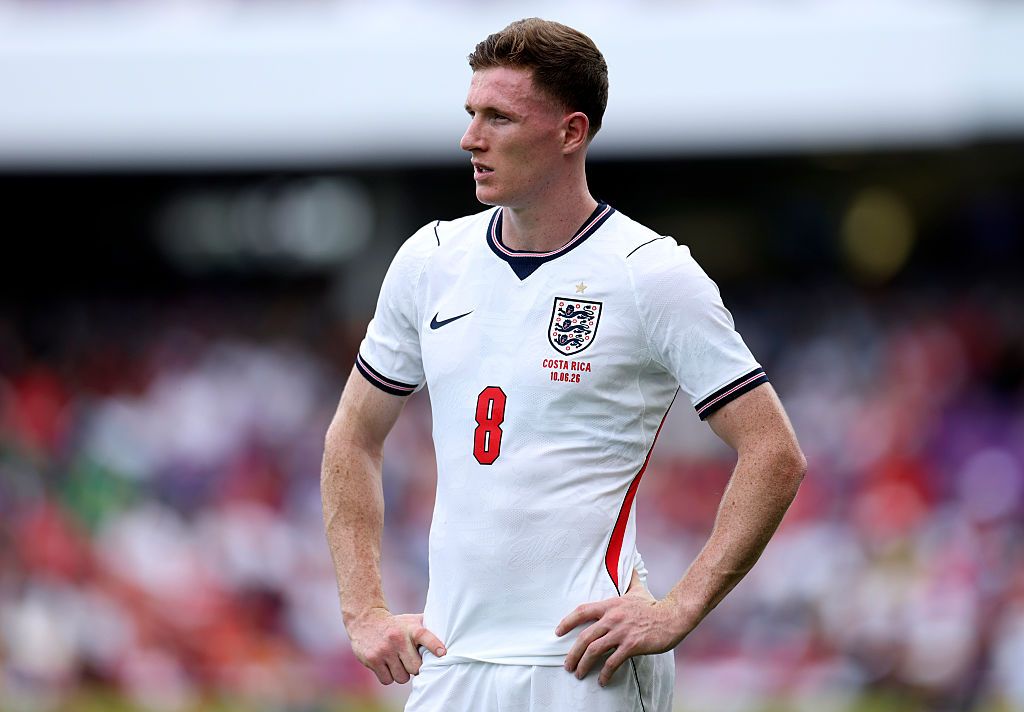
Look at the way teams like France and England have been setting up in recent warm-up friendlies under Deschamps and Southgate. It is all about the low block and the safety-first approach. In the Round of 16, this becomes a game of chicken. If you have two teams who are both terrified of conceding a sucker-punch transition goal, the match becomes a claustrophobic slog. It is exactly the kind of mess that makes people miss the old 32-team format where every group stage game actually had a soul.
Expect the top-seeded nations to try and suffocate the smaller opponents by hogging 75 percent possession without actually penetrating the final third. We saw this in Manchester City’s recent struggles where they became obsessed with perimeter passing while the opposition sat deep in a 5-4-1. As recent tactical analyses have shown, when elite teams get too deep into their own tactical weeds, they forget how to simply win a one-on-one battle. It is a slow, methodical suffocation that lacks the bite we used to expect from international play.
The real issue is the transition. When an underdog like Panama or Serbia manages to pinch the ball in the midfield, the lack of quality in the final third is going to be glaring. The 2018 tournament gave us the beautiful chaos of Argentina crashing and burning against France, whereas 2026 feels like it is being engineered for maximum corporate predictability. The powers that be are just trying to squeeze more TV minutes out of the calendar, and the game is suffering for it.
Predicting the inevitable crashes
Here is my hot take for the Round of 16: at least two of the traditional European giants are going to implode against a motivated CONCACAF squad. Why? Because playing in North American heat, navigating the constant travel between hubs like Vancouver and Miami, and dealing with massive pitch dimensions is essentially a physical endurance test disguised as a football match. The players are already exhausted after a grueling domestic season.
We have seen similar burnout patterns in the past, where the club season drags into late June and the national teams look like they are running through cement. If you think the fitness levels are going to hold up for a knockout stage match that goes to extra time after 120 minutes of humidity, you are delusional. The games will be won by whoever has the deepest bench of fresh legs to rotate in for that final surge.
My pick for the most pathetic display? One of the major South American heavyweights is going to bottle a lead in the 88th minute because they tried to park the bus too early. It is a classic move that defies all logic but happens every four years. They ignore the attacking press that got them to the knockout stage and suddenly decide they are Italy in 2006. It never works, and watching them collapse under the pressure of their own identity crisis is going to be the peak of this tournament.
Ultimately, the quality of the football won't be as high as the hype-men in Zurich want you to believe. The dilution of talent across 48 teams means we get more matches between teams that are barely professional at the international standard. By the time we hit the quarterfinals, we will be scraping the bottom of the barrel to find a matchup that actually justifies the ticket prices. But hey, at least the FIFA bank accounts will be looking healthy, right? That is the real victory here.