
Jordan Henderson is playing a dangerous game with England's World Cup prep

The Florida gamble and the science of heat
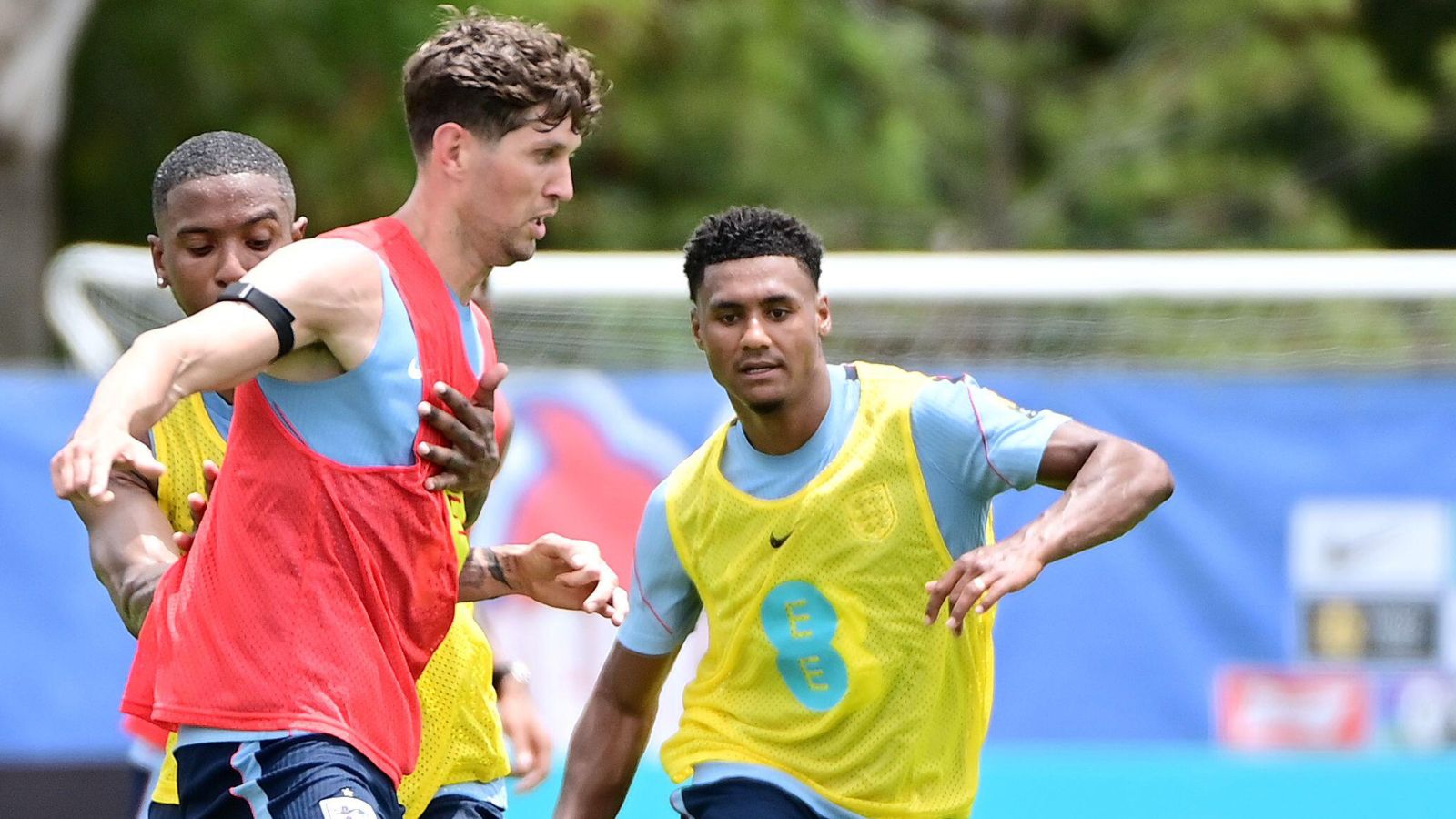
England’s preparation strategy for the upcoming World Cup is centered on an uncomfortable reality: the humidity of the American summer. Jordan Henderson has been vocal about the squad needing to train in Florida to acclimatise to the high temperatures expected in host cities. It is a tactical decision that aims to mitigate physical fatigue before the tournament begins on June 11, but the merits of this approach remain debatable.
Exposure to extreme heat does not trigger a biological reset button. Physiology dictates that heat adaptation requires a minimum of 10 days of controlled exertion to see genuine thermoregulatory improvements. Henderson admits the schedule is tight, and rushing this process by dropping players into Florida heat runs the risk of early-tournament lethargy rather than endurance gains.
The phantom of 2014
The English national team has a history of misreading tournament conditions. We remember the panic surrounding the conditions in Manaus during the 2014 campaign. Now, the focus is entirely on physical adaptation through heat, yet the squad’s technical baseline seems neglected in the discourse. If the players are suffering from heat stress, their ability to maintain precision passing, particularly in the defensive third, will plummet.
Focusing on heat is a convenient narrative for a squad missing a cohesive tactical identity. When you look at the stats from the last qualification cycle, England struggled to break down mid-blocks that sat deep and absorbed pressure. If the team spends all its time worrying about hydration levels and humidity, they risk entering June 11 without a clear plan for unlocking organized defenses.
Tactical rigidity vs. environmental awareness
Henderson’s insistence on environmental immersion suggests he is prioritizing resilience over tactical fluidity. This is a common trap for international teams. They assume that if the engine is running at peak capacity, the results will follow. Yet, modern tournament football is won by teams that can pivot their formation mid-match. A team that can change from a 4-3-3 to a 3-5-2 during a 30-minute window will always beat a team that is just 'fit' enough to run for 90 minutes.
We have seen recent industry trends toward fragmentation, where specialists dominate their narrow windows of competition. In football, the specialist is the high-pressing midfielder who understands when to cut passing lanes versus when to engage in a physical duel. If England’s midfielders are too focused on the Florida heat, they will be half a step slow when it matters in the final third.
A flawed priority list
The core issue is that this preparation assumes the heat will be the primary obstacle. Looking at the draw, England will face opponents who have thrived in technical, quick-passing systems regardless of the weather. As recent reports highlight, Henderson is gambling on endurance as the key differentiator. It is a narrow view of a tournament where individual brilliance typically decides the knockout phases, not a hydration protocol.
If the team flops, the 'Florida heat' excuse will be the easy PR narrative used to deflect from questionable starting XI choices. For a group of elite athletes, performance is far more dependent on chemistry and spacing than on whether they spent two weeks sweating before the tournament. They have 9 days left. Every hour spent obsessing over the thermometer is an hour not spent refining the final ball that will likely determine their exit or glory.
Read Next
- Jordan Henderson has a sweaty plan for England's World Cup hopes
- England’s Florida gamble is a tactical tightrope walk
- England in Florida: The Final Warmup Before The Big Crash
- Top 10: Defining Football Moments of the 2026 Build-Up
- 🏆 World Cup 2026 — Full Coverage Hub
- 🏴 England World Cup 2026 — Three Lions Hub
The Mixer: The Story of Premier League Tactics, from Cantona to Guardiola
A must-read tactical deep dive into the history of modern English football.
Frequently Asked Questions
Why is Jordan Henderson advocating for training in Florida?
How long does it take for the body to adapt to extreme heat?
What is the primary criticism of England's current training focus?
Why might heat acclimatization hurt England's tactical performance?
What does the author believe wins modern tournament football?
More Coverage
Thomas Tuchel's England Squad Picks Hint at Tactical Shake-up
44 minutes ago
Jordan Henderson has a sweaty plan for England's World Cup hopes
an hour ago
Scotland focus on the pitch despite the noise around Israel
an hour ago
England’s Florida gamble is a tactical tightrope walk
an hour agoTop 10: Defining Football Moments of the 2026 Build-Up
an hour ago
Why Ollie Watkins is England’s secret weapon for the 2026 World Cup
an hour agoMore Analysis
Thomas Tuchel's England Squad Picks Hint at Tactical Shake-up
44 minutes ago
Scotland are playing the long game while the world screams
an hour ago
Jordan Henderson has a sweaty plan for England's World Cup hopes
an hour ago
Scotland focus on the pitch despite the noise around Israel
an hour ago
Aston Villa have zero intention of letting Morgan Rogers walk to Arsenal
an hour ago