The context of the celebration
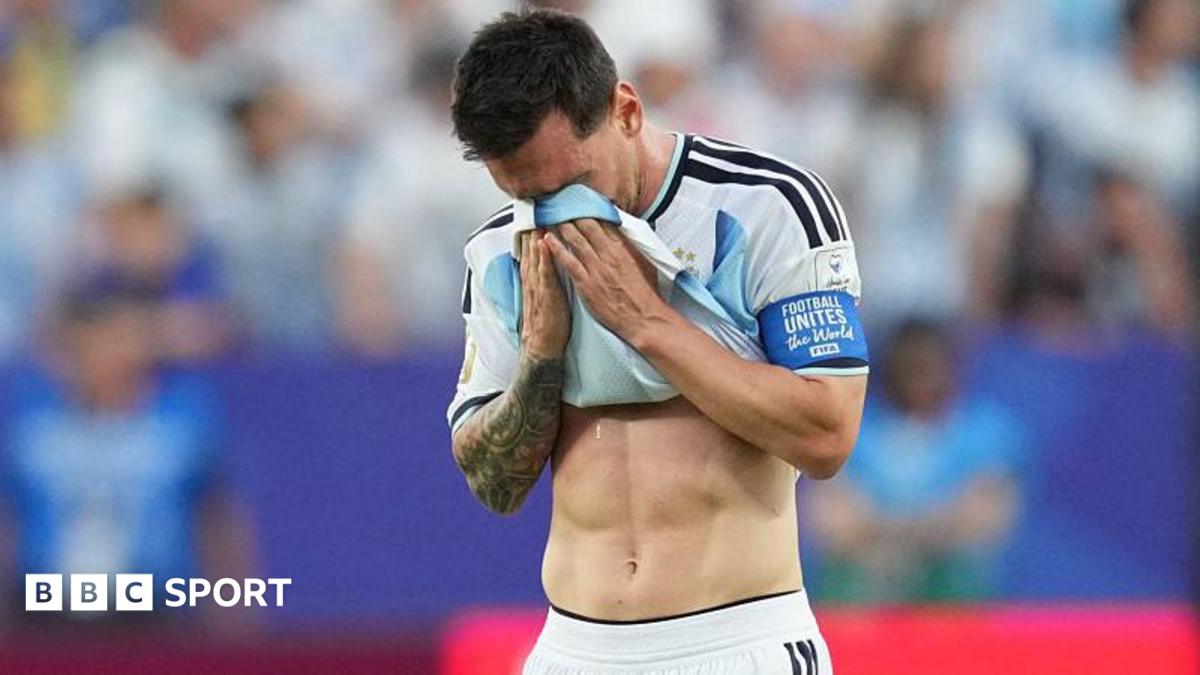
Lionel Messi captured headlines during Argentina’s 3-0 victory over Algeria when he turned toward the bench in tears following his opening goal. The immediate reaction from fans and pundits focused on the weight of the moment, with many assuming the emotion was tied to the high-stakes nature of international competition. However, the captain has moved quickly to dispel that narrative.
Separating sport from personal life
In a direct post-match address, Messi explicitly addressed the speculation surrounding his conduct. He confirmed his reaction was not triggered by his performance or the standard pressures of representing the Albiceleste. Instead, he painted a clearer picture of his mental state during the match.
The tears were for a matter completely unrelated to football.
This clarification shuts down any emerging reports that the veteran forward was struggling with the demands of the match or the tactical instructions of the coaching staff. By compartmentalizing the event as a personal situation, Messi effectively stripped away the dramatic layer that many media outlets attempted to project onto the goal celebration.
Tactical success in the shadow of distraction
Argentina dispatched Algeria with relative ease, despite the visual intensity of Messi’s reaction. The 3-0 scoreline suggests a dominant tactical display, but the emotional visibility of the squad's figurehead remains a point of interest for team staff. It brings up a question of focus; can a team maintain its rhythm when its captain is navigating significant personal turbulence away from the pitch?
The reality of public figures
The incident reminds observers that international stars are not merely functions of their team. Even during a comprehensive win, the external pressures of a professional athlete’s life can bleed into their performance. This instance proves that even a veteran of Messi’s stature is subject to the same human reactions as any other player.
Critics might argue that such emotional displays pose a potential liability during high-pressure knockout fixtures if they become recurring. While this specific instance appears to be an isolated personal matter, the scrutiny on player mental health and media perception remains a constant. The coaching staff will likely emphasize maintaining professional boundaries in future matches as reported by the BBC, following the intensity of the Algerian victory.
A look at the squad depth
Beyond the emotional center, the 3-0 result reinforces Argentina’s current form. The goals were systematic and showed a level of cohesion that suggests the side is ready for upcoming challenges. If the team continues to produce results of this magnitude, the personal lives of individual players will remain secondary to the pursuit of trophies.
The efficiency of the attack allowed for a controlled second half, providing Messi and the core group a moment to settle down after the emotional outburst. One could argue the defensive structure looked thin during a brief stint of Algerian pressure, but the gap in class was undeniable. The La Albiceleste machine is still moving, and the personal drama does not appear to have slowed the collective progress.
Final takeaway
The mystery of the tears is solved. It was a private matter, not a footballing one. For now, the focus returns to the pitch and the upcoming testing ground for a group aiming for supremacy. If Messi can sustain his output while managing personal hurdles, the long-term impact on the team performance should be minimal. Fans can now look past the reaction and focus on the technical execution the squad displayed in a convincing win.
Read Next
- Messi is chasing ghosts as Argentina rolls into the knockout rounds
- Messi just dropped a hat-trick for the culture and we aren't worthy
- Messi hits the record books while Argentina sleeps through the whistle
- Argentina's reliance on Messi creates a dangerous tactical ceiling
- 🇦🇷 Argentina World Cup 2026 — Defending Champions Hub