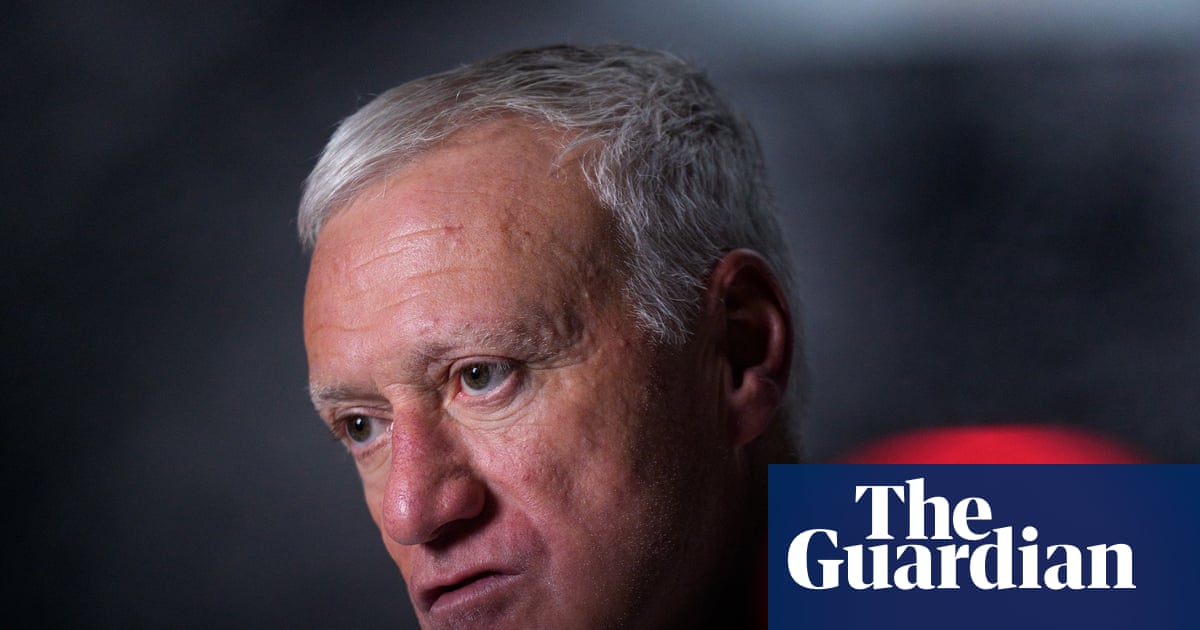
The shadow of transition at Clairefontaine
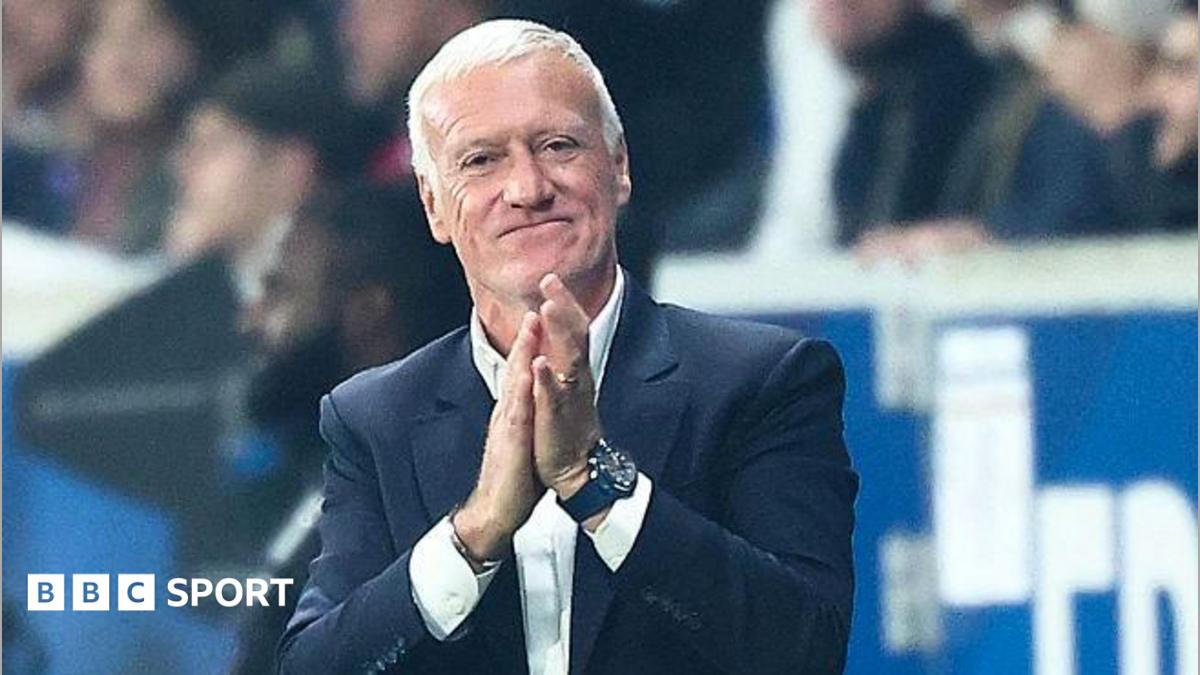
Two days before the curtain rises on the 2026 World Cup, the perimeter of Château de Clairefontaine hosts a three-metre replica of the trophy. It serves as a permanent, immovable ghost of the 1998 and 2018 campaigns. Didier Deschamps stands at the center of this, technically a man heading for the exit, yet he remains the primary architect of a squad built on brutal efficiency.
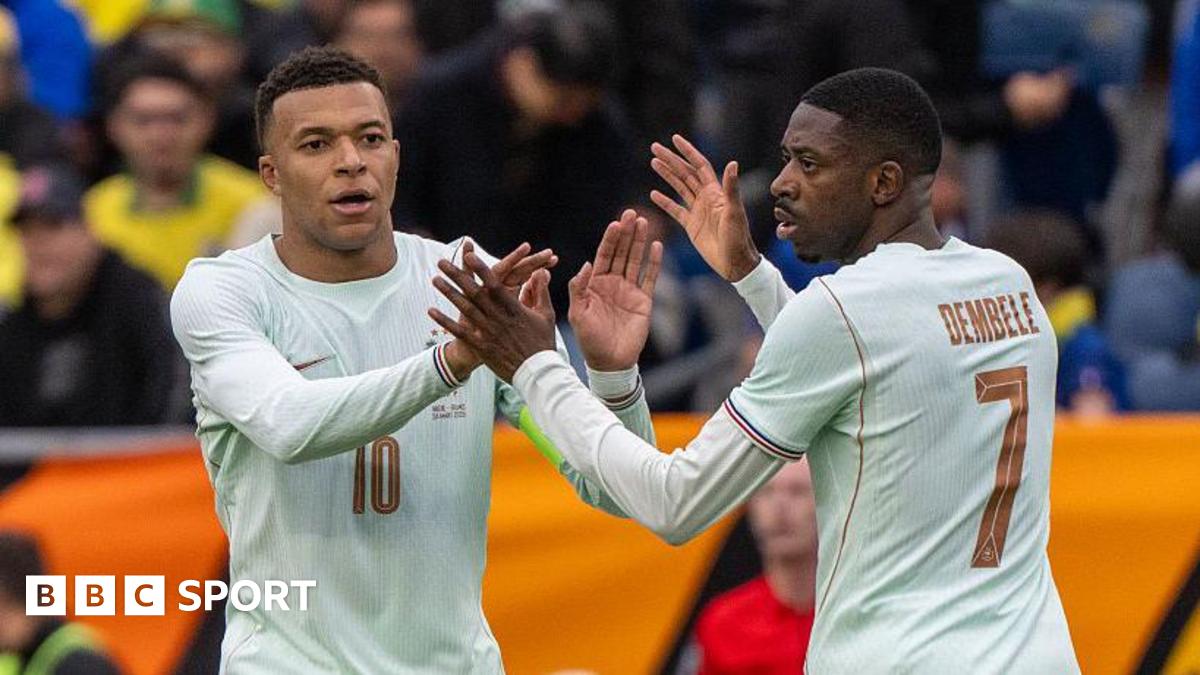
Reports from The Guardian highlight an evolving dynamic between the manager and his captain. Kylian Mbappé moves into this tournament not just as the spearhead but as the primary voice of the locker room. Deschamps has leaned into this shift, acknowledging that the platform belongs to the player.
Tactical rigidity or tournament pragmatism?
Critics frequently point to the disconnect between French talent and the pragmatic football Deschamps demands. His refusal to commit to an expansive, high-pressing 4-3-3 has caused friction throughout the qualifying cycle. He favors a block-and-counter discipline that often leaves France looking stagnant against low-block opponents.
Look at the statistical output from the final qualifying matches. France averaged a 62% possession rate but converted that into an xG of only 1.4 per game against sides ranked outside the top 50. The reliance on individual moments remains a flaw in his structure. If the midfield transition breaks down, there is no plan B beyond forcing the ball toward the wing.
Deschamps has defended his approach by citing the need to protect the defensive unit during transitions. He creates a cage for his stars, ensuring the defensive shape is never compromised for the sake of offensive flair. This is 100% intentional, though it rarely wins over the aesthetic purists in Paris.
The Mbappé captaincy factor
Kylian Mbappé now occupies a space usually reserved for tournament veterans. He is not merely a finisher anymore; he is the conduit for every buildup sequence. His movement between the half-spaces and the touchline has increased in frequency, a development clearly designed to bypass the defensive congestion Deschamps fears.
Watch the timing of his runs in the opening 12 minutes of the tournament opener. If he drops deep to find the pivot, France commits too few bodies to the box. If he stays pinned to the touchline, the creativity gap becomes glaring. This balance will define France's progression through the knockout stages.
Final assessments and expectations
Preparation has been heavy on set-piece drills and defensive positioning. The team seems to be working backward from the final, prioritizing clean sheets over goal difference. For a squad this talented, the lack of freedom in the final third is a valid concern. It creates a ceiling for their performance that might be tested by more fluid, high-pressing opposition.
Prediction: France will manage a clean sheet in their first two matches but struggle against physical opponents who disrupt their central rhythm. They are disciplined enough to reach the semifinals, but they will exit the moment they encounter a side willing to match their physicality in midfield. My call is a semifinal loss on penalties, ending the era on a note of functional disappointment given the sheer roster depth available.
Read Next
- Why France's 3-1 win over Northern Ireland is a red flag
- Didier Deschamps is leaving the building and nobody knows what happens next
- France are heavy favorites to lift the World Cup trophy in July
- France look terrifyingly sharp heading into the World Cup
- 🏆 World Cup 2026 — Full Coverage Hub
- 🇫🇷 France World Cup 2026 — Les Bleus Hub