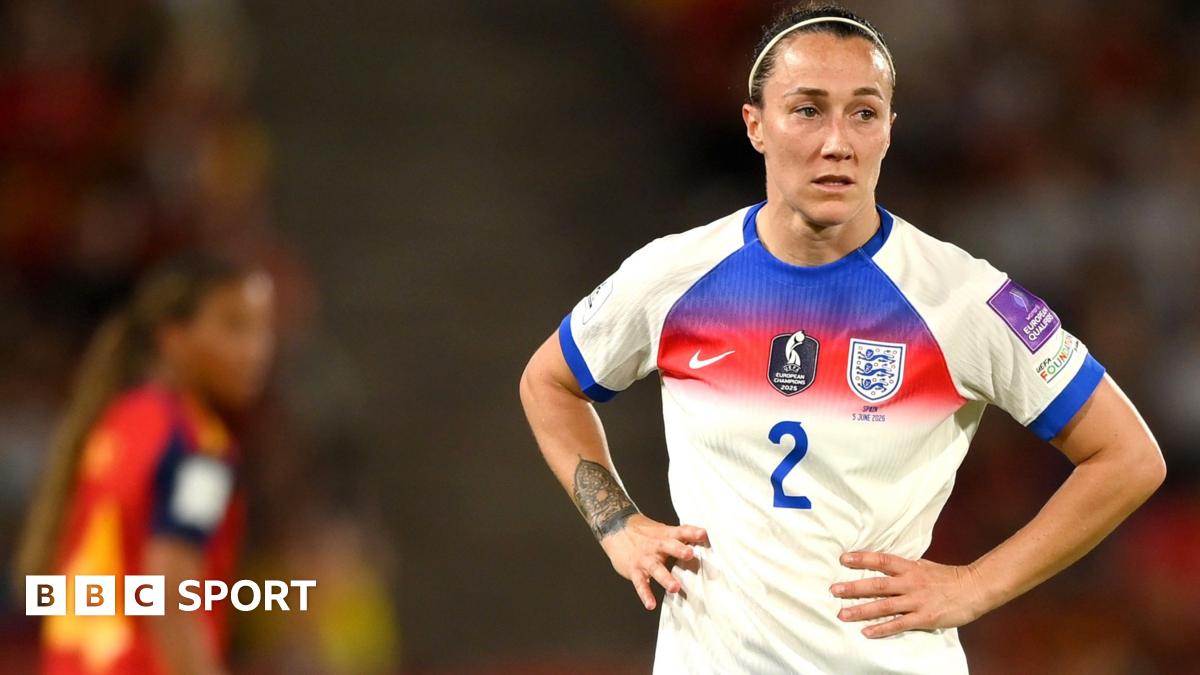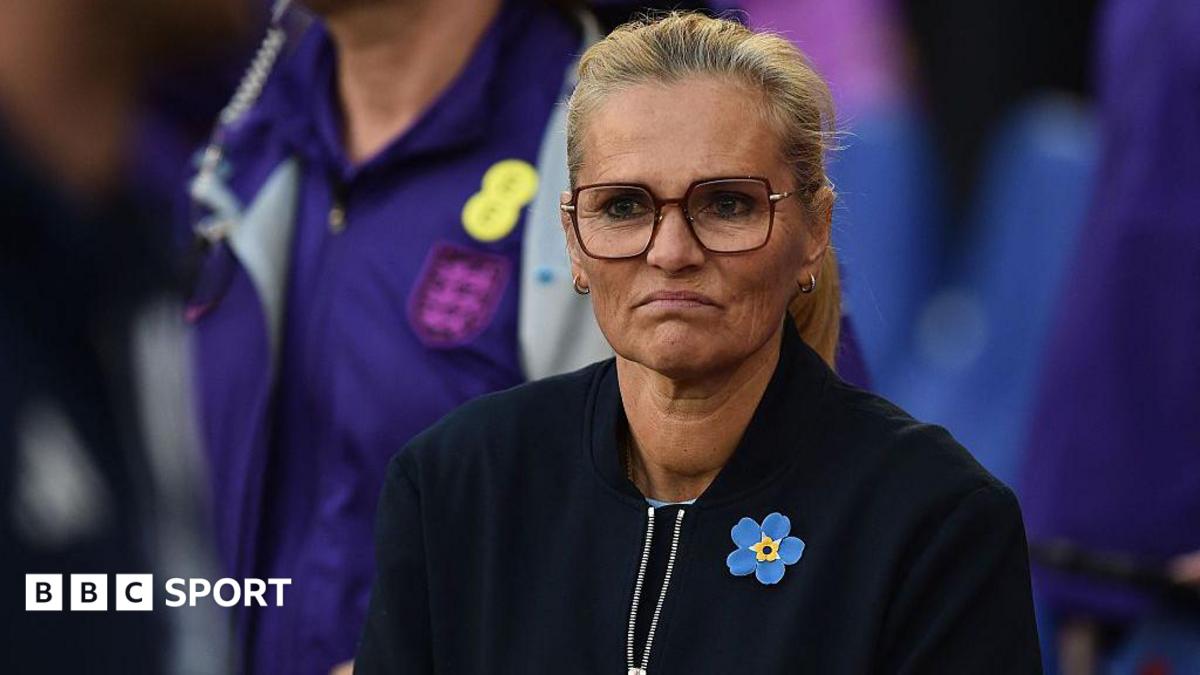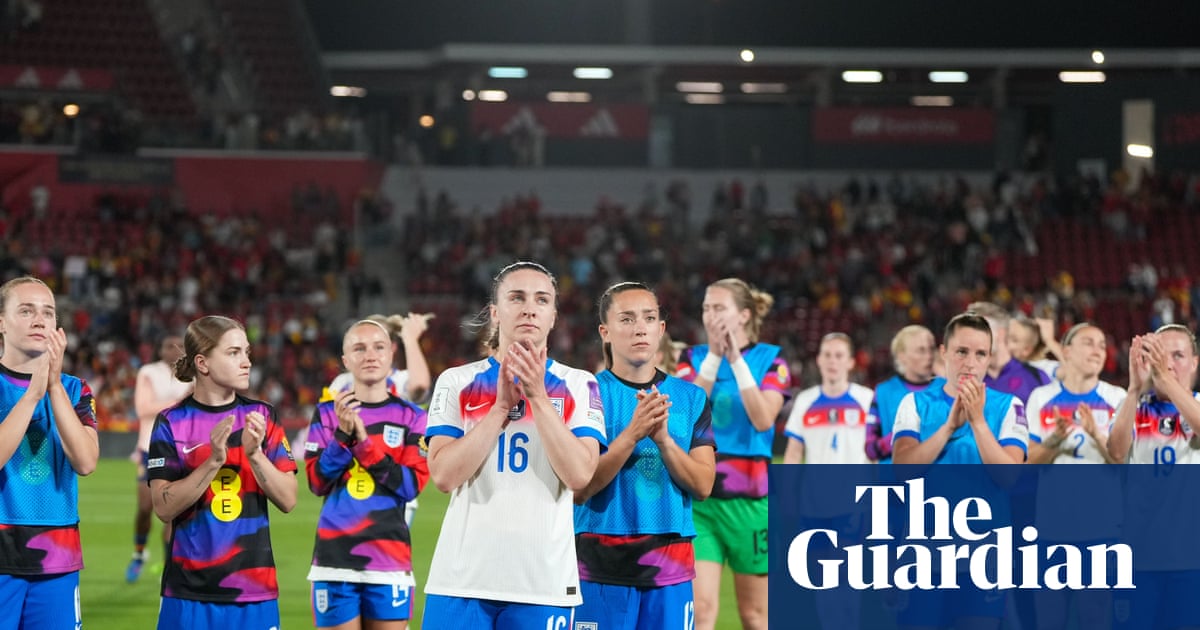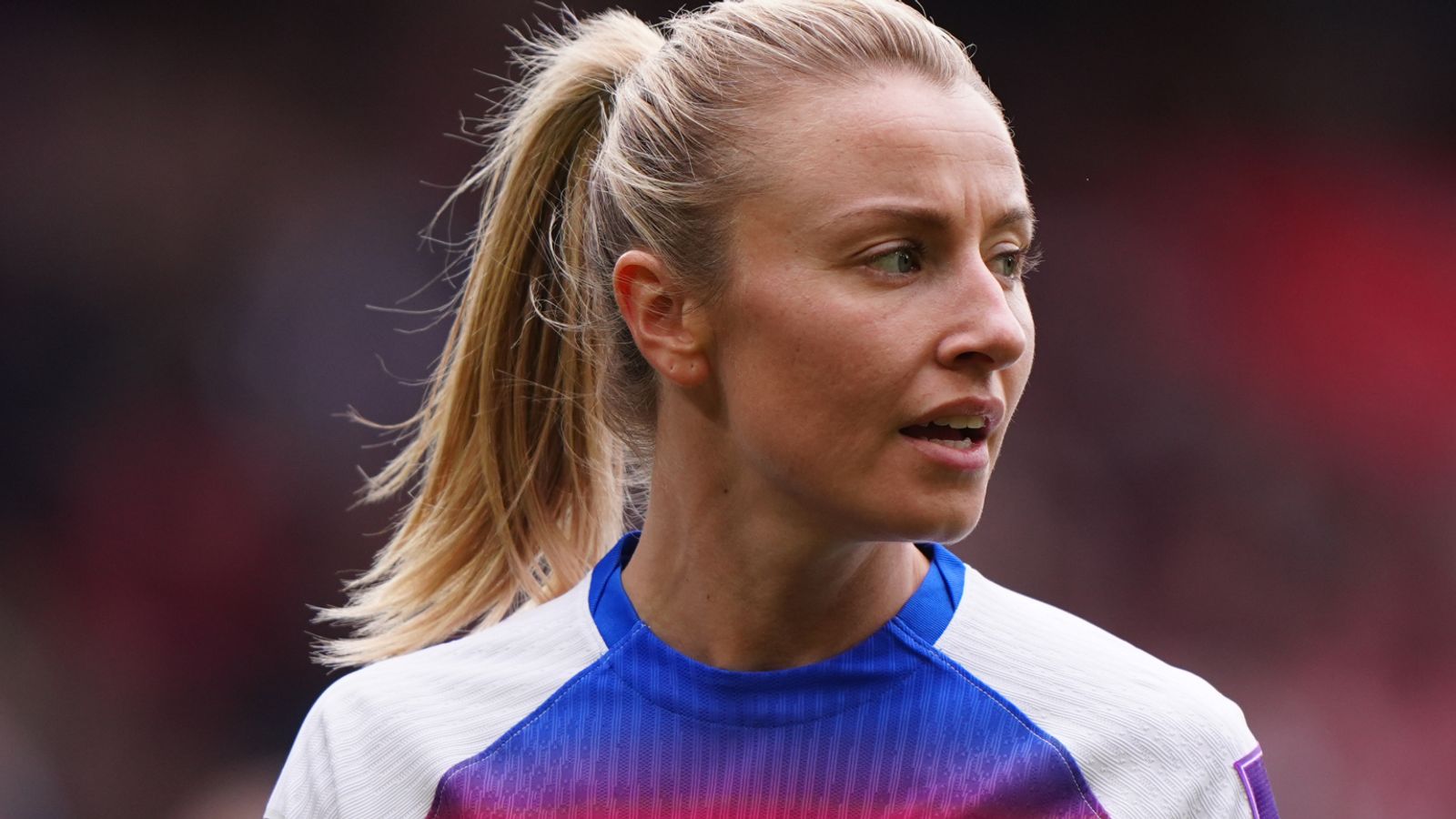
The road to Brazil 2027 just got a lot longer
England secured a 3-0 victory over Ukraine, but the final whistle brought little celebration. While goals from Carter and Stanway kept the scoreline respectable, the result serves as a hollow consolation prize. Following a dismal 4-0 loss to Spain in Mallorca last week, the Lionesses have officially surrendered their chance at automatic qualification for the 2027 World Cup.
Sarina Wiegman’s squad is now forced into the play-off route. This is a significant regression for the European champions who dominated the continent only to hit a wall during this qualifying window. The math was always tight, but relying on Iceland to take points off a rampant Spain side proved to be a gamble that did not pay off.
Tactical stagnation and defensive lapses
The performance against Ukraine lacked the clinical edge required to overcome the deficit in the group standings. While control was never in doubt, the creativity that defined England’s 2022 and 2023 campaigns seemed absent. Watching the team navigate play-offs rather than booking a direct flight to South America highlights a growing vulnerability in tournament qualification.
The defensive structure, specifically the gaps exploited by Spain, remains the primary concern. Conceding four goals in a single outing is an anomaly for this group, yet it stripped the team of their margin for error. As noted by recent reporting on the group dynamics, pinning hopes on third-party results is never a winning strategy at the international level.
Pressure mounts as the play-offs loom
The immediate impact is a condensed and high-stakes schedule ahead of the primary tournament window. Instead of resting or integrating newer talent, Wiegman must now coach through a high-pressure play-off bracket. Every match from this point forward functions as a knockout, drastically reducing room for tactical experimentation.
The broader concern involves the fatigue levels of key midfielders who have played near-constant football for both club and country. If the rotation remains as rigid as it has been in the last three qualifiers, the physical toll could impact readiness for the 2027 opening rounds. Fitness management is now as important as the tactical board.
The shifting sands of defensive depth
Elsewhere in the game, club-level personnel shifts are creating turbulence for teams preparing for next season. Liverpool recently faced a public disappointment in their recruitment push, as targets prioritize alternative destinations. This competition for talent is bleeding into the international break, as players navigate club exit strategies while balancing national team responsibilities.
History suggests that teams forced into late-stage play-offs often struggle with the accumulated psychological fatigue. England has survived high-pressure environments before, but the lack of automatic safety net serves as a wake-up call. The squad needs to refine its final third efficiency before the play-off fixtures arrive, or they risk an early exit from the cycle entirely.
Looking ahead to the upcoming international calendar
With the 2026 World Cup kickoff just 48 hours away, the attention of the global football community shifts away from qualifiers and toward the men's tournament. For the Lionesses, however, the focus remains internal. The coaching staff has a clear mandate to resolve the inconsistencies that emerged during the Spain and Ukraine matches.
The primary issue remains the reliance on aging core starters without adequate rotation during critical qualifying windows. If Wiegman fails to integrate fresh legs before the play-offs begin, the strategy will remain exposed. Qualification through the back door is technically possible, but it is hardly the mark of a team currently holding a trophy.
Read Next
- Top 10: The Most Audacious Bids in Real Madrid's Modern Era
- West Ham is rotting from the boardroom down
- Real Madrid eye Riccardo Calafiori as Florentino Perez plots defensive revamp
- Arsenal's transfer strategy under the microscope as Arteta faces calls for change
- 🏆 World Cup 2026 — Full Coverage Hub