Tier 1: The Anfield reality check
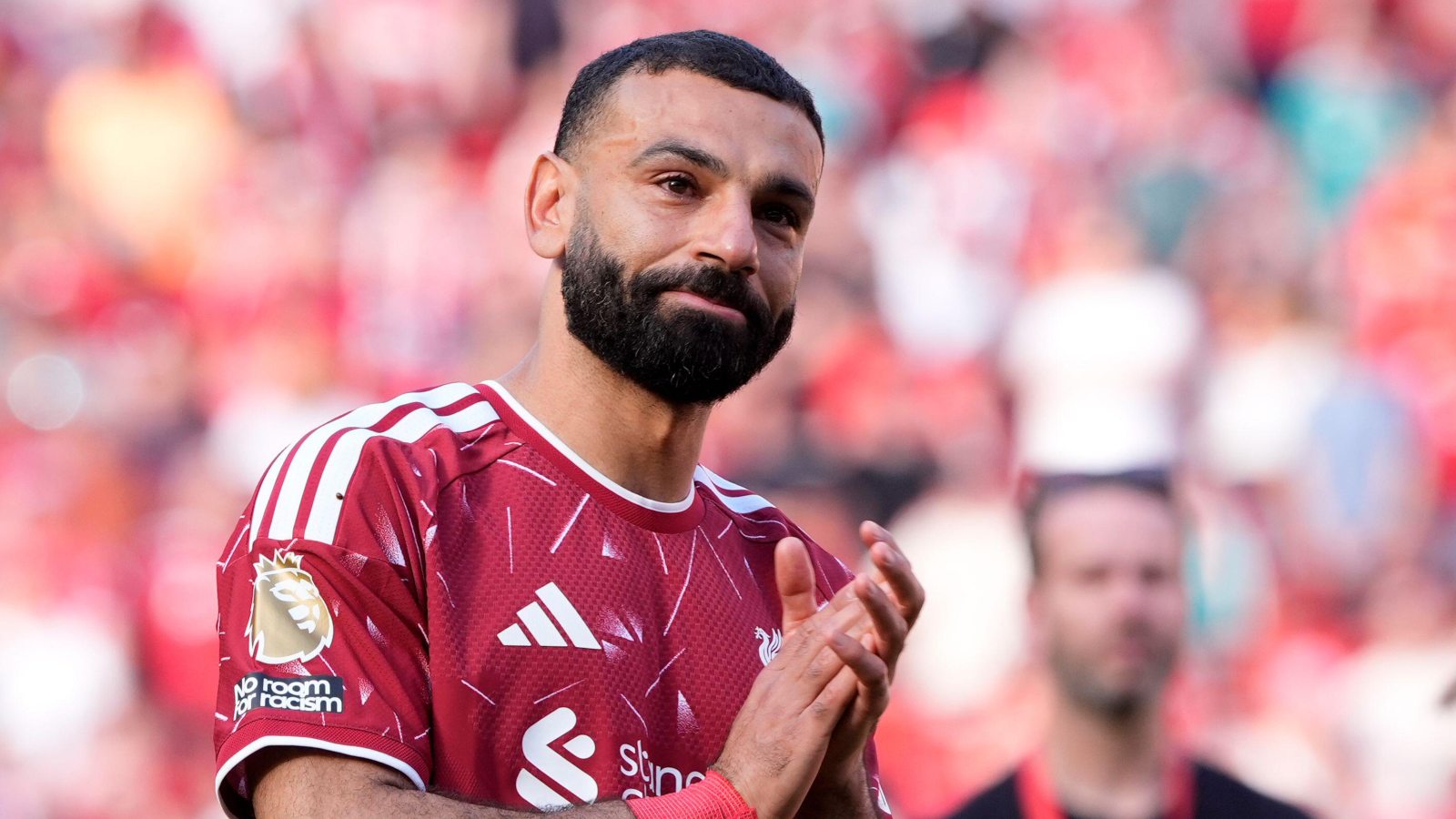
Liverpool are shifting their primary summer focus toward a aggressive defensive reinforcements, moving past the lingering noise surrounding Mohamed Salah. James Pearce has offered a definitive verdict on the situation: any talk of a U-turn regarding Salah's potential departure on a free transfer is fantasy. The club is moving on.
Instead, the recruitment engine is turning toward Ousmane Diomande. As reported recently, the Ivorian defender is carrying a massive valuation, with figures circling £112m. This is not just a transfer; it is a statement of intent from the front office to secure a long-term core piece of the defensive line.
The Iraola factor and the double-pivot shift
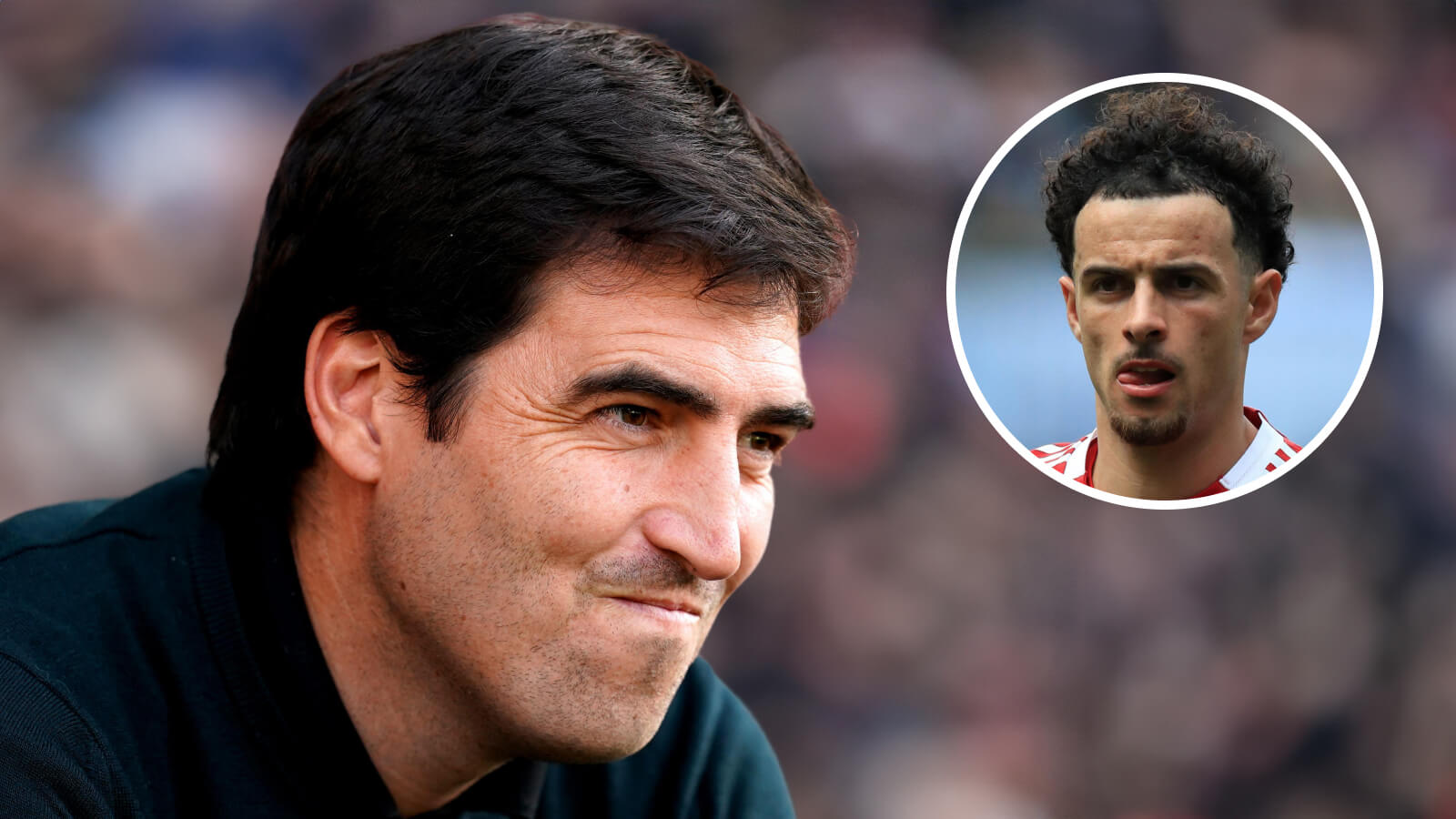
The pursuit of Diomande is complicated by Andoni Iraola’s active intervention. Iraola is working against Liverpool’s recruitment team, complicating what would otherwise be a straightforward pursuit of the Sporting talent. This has forced Liverpool to look elsewhere for depth, with insider reports confirming a double-attack signing strategy remains active to supplement Darwin Nunez.
Liverpool's tactical profile under this new regime heavily emphasizes physical dominance in the middle of the park. While the Diomande pursuit makes waves, the mystery surrounding the planned 'shock' midfield signing is where the actual risk lies. If the recruitment team misses on a primary defensive target, they risk being thin in the transition phases against high-pressing opponents. Midfielders who lack the recovery pace to cover space behind fullbacks will be exploited by tactical setups like the one Iraola favors.
Tactical flaws and the transfer crunch
There is a glaring concern regarding this defensive heavy spending. Liverpool's obsession with defensive stability might inadvertently starve their creative channels if the midfield pivot is strictly reserved for ball-winners. If the proposed £112m spend on Diomande fails to translate into clean sheets, the club faces a significant financial drag that could limit squad building throughout the rest of the 2026 campaign.
The club needs immediate returns from their incoming attackers. Relying on Nunez as the sole physical focal point while gambling on young, potentially inconsistent wingers is a dangerous game for a team aiming to reclaim a title. The chemistry between the new arrivals and the existing defensive unit will define the early season trajectory.
Midfield reinforcements: The necessity of depth
The interest in a 'shock' midfield addition suggests that the current squad feels physically outmatched in high-intensity matches. Sources indicate that this additional signing is intended to provide a functional balance to a roster that struggled with consistency in the closing stages of the previous season. Without a true box-to-box engine to complement the defensive additions, the high line remains a vulnerability that sophisticated teams will target.
The market for this specific type of player is currently overheated and lacks value. Liverpool's strategy aims to beat the rising costs by moving early, yet the high entry barrier for players like Diomande leaves very little room for error if the scouting reports prove inaccurate. The club is gambling on personnel over pattern-based tactical shifts.
Summary of the summer transition
The strategy is clear: defensive fortress at £112m, followed by a double attacking reinforcement to keep the scoreboard ticking. It is a pivot away from the reliance on aging icons and toward a younger, more physically demanding squad structure. If they nail the Diomande deal, it anchors the back line for five years minimum.
Failure to land these targets, however, leaves Liverpool in a precarious situation. The fanbase is expecting a rebuild, but the financial requirements for these specific targets are punishingly high. Every decision made between now and the window's close will dictate the success of the transition period ahead of the league kick-off.