Market shockwaves hit Anfield
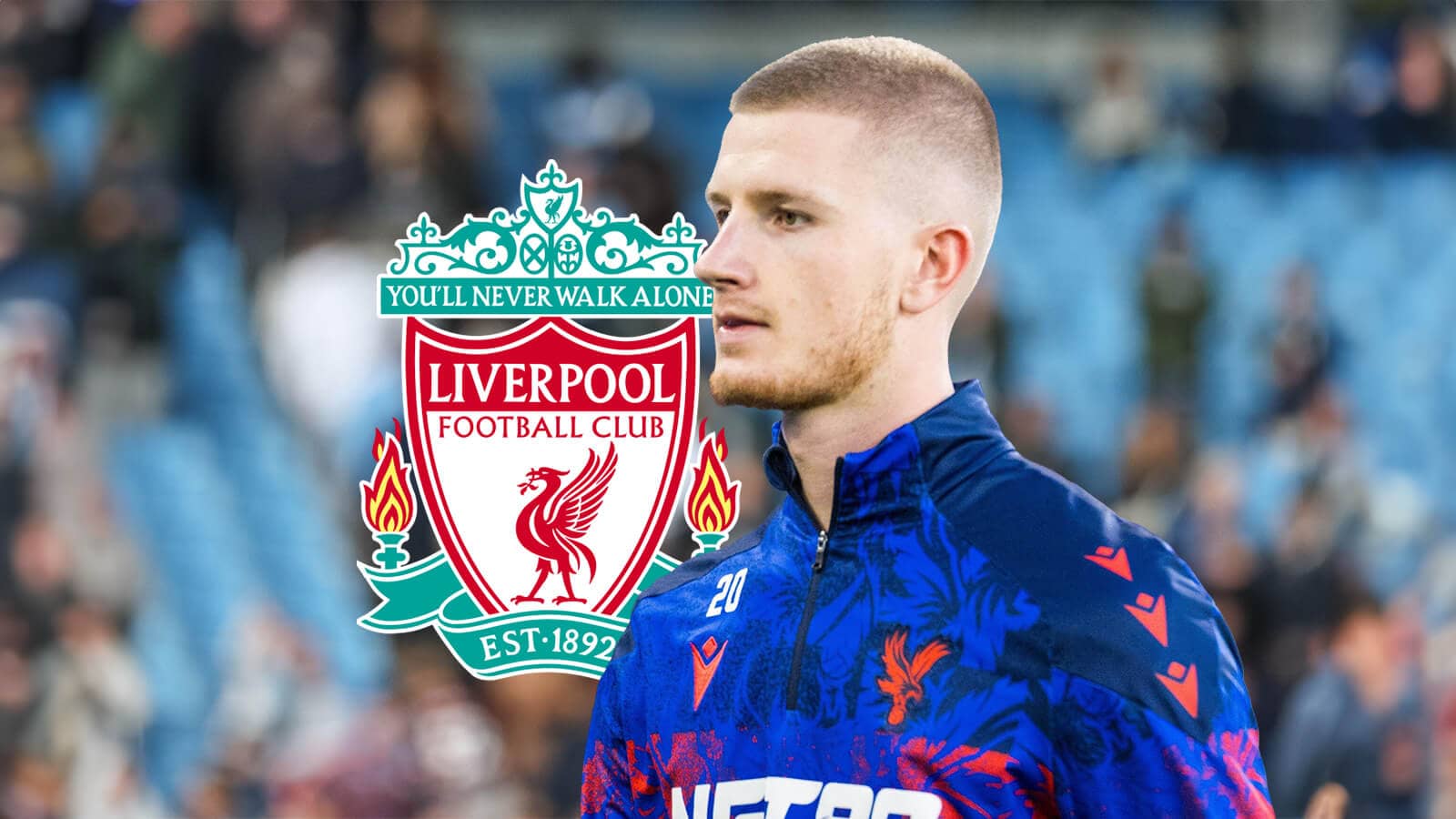
Liverpool find themselves in an awkward spot this June. The club entered the window targeting specific profiles to bolster their engine room, but the recent transfer market surge has sent asking prices into orbit. Adam Wharton and Alex Scott remain high on the shortlist, yet their valuations have spiked following wider industry spending shifts.
This isn't just a minor fluctuation in price. The £120 million price tag attached to another major midfielder has effectively set an inflated floor for clubs selling in this bracket. Scouting departments across Europe are now scrambling to re-evaluate their data models before committing to firm opening bids.
Tactical friction and scouting flaws
Liverpool need technical security and ball progression. Wharton fits the profile for his composure under pressure, while Scott offers the kind of verticality that fits a high-tempo transition game. The issue isn't the talent; it is the fiscal logic of paying a premium in a market where valuations are inherently broken.
There is a glaring concern regarding this data-driven strategy. If Liverpool's recruitment analysts relied heavily on valuation caps that have now been rendered obsolete by aggressive competition, they have effectively wasted six months of due diligence. Failing to finalize a move early leaves the club vulnerable to the late-August price gouging that has plagued their past dealings.
The Brighton and Tottenham intersection
Elsewhere, the supply chain for young prospects remains tight. As reported by TeamTalk, Brighton are pushing hard for multiple targets on the south coast, directly competing with the established hierarchy. This creates a bottleneck that limits secondary options available to larger clubs like Liverpool or Tottenham.
Tottenham face their own hurdles with Luka Vuskovic. His valuation has become a talking point in scouting circles, with North London insiders noting the price is rising as more clubs enter the fray. It suggests that talent hoarding among mid-table clubs is making it increasingly difficult for the traditional Big Six to extract value.
Probabilities and long-term impact
The probability of landing both Wharton and Scott is currently low. Sources indicate Liverpool will likely prioritize one, provided they can negotiate the seller down from the post-inflation surge. Expect a period of prolonged silence while the club tests the market for more cost-effective domestic alternatives.
If the club fails to sign a primary target, the tactical fallout will be significant. A stagnant midfield risks falling behind in the race for top-four placement, as opponents have already begun their heavy lifting. Management is facing a choice: pay the £120 million market rate or gamble on under-the-radar alternatives who lack top-flight experience.
Final assessment
The current situation is symptomatic of a lack of leverage. Liverpool's scouts have identified the right players, but the boardroom is struggling to navigate a market that has drifted away from their standard valuation matrices. If they don't break their internal price ceilings soon, they risk a repeat of previous windows where inaction dominated the headlines. Supporters should prepare for a quiet June while the recruitment team regroups.