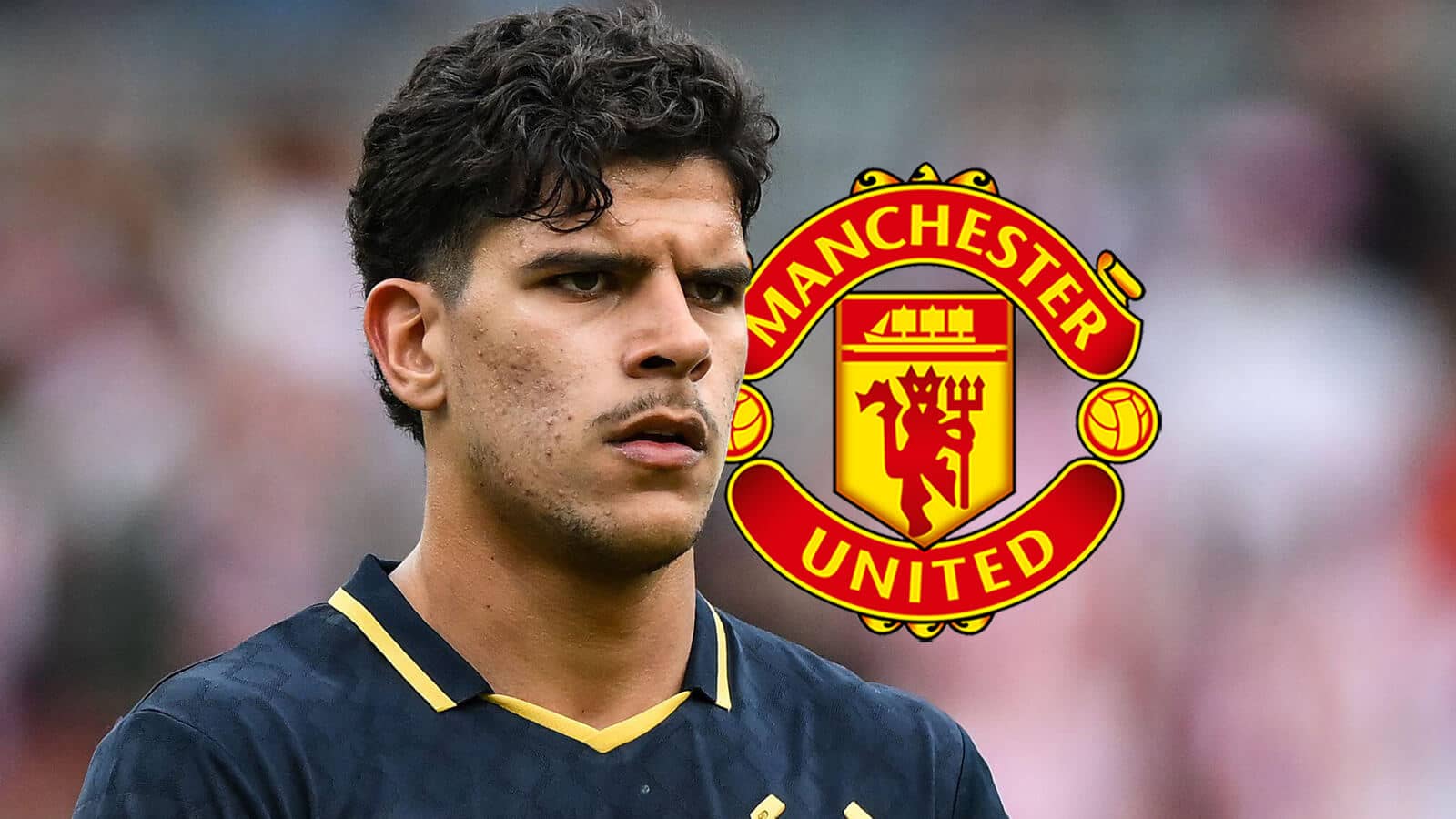
Midfield Overhaul Begins Amid Pending Fitness Files
Manchester United’s surgical approach to the summer window has hit a familiar snag: managing existing roster availability. While incoming business centered on Atalanta midfielder Ederson remains the focal point, the internal medical staff is working through a pile of season-ending carryovers that could complicate Michael Carrick’s first full season as head coach.
As of June 2, 2026, the club is effectively treating the squad as an open marketplace. The strategy is clinical; however, the lack of status updates on long-term rehabilitations suggests a quiet attempt to move compromised assets before the window fully opens. Identifying which players are currently fit for medicals remains a challenge for interested suitors.
The Asset Management Problem
The situation regarding Marcus Rashford represents the most glaring hurdle for the INEOS leadership team. With Barcelona reportedly stalling on a permanent transfer fee, reports indicate United is stuck carrying the forward’s wages while his actual participation level stays subject to ongoing fitness evaluations. If a player holding significant market value remains sidelined, the financial math for a £200m overhaul quickly shifts into the red.
Similarly, the hunt for defensive reinforcements has forced management to look at the health of current placeholders. Harry Maguire’s status has become a focal point of debate, with recent inquiries from Inter Milan complicating the club's defensive rotation. Whether Maguire can pass a medical elsewhere or remains at Old Trafford depends entirely on his ability to shake off the nagging fitness issues that plagued his late-season availability.
Strategic Implications of the Medical Desk
The club is clearly prioritizing younger, high-ceiling targets like Middlesbrough’s Hayden Hackney or potential winger additions. Because these targets are viewed as upgrades for a team in transition, managing the recovery cycles of existing personnel is a tactical necessity. Carrick cannot afford to have a crowded infirmary when he needs to integrate five new arrivals quickly.
Historical precedents show that ignoring residual injury issues during a major rebuild is a recipe for disaster. When player health data is inconsistent, sales valuations plummet, and new signings are forced to overplay, leading to secondary muscle injuries. United’s current focus on a high-turnover window suggests they are desperate to shed that risk profile before pre-season training begins.
Risks in the Market
The decision to pivot away from players like Adam Wharton underscores a newfound impatience regarding player fitness and development time. Chelsea’s status as a contender for Wharton confirms that while United considers him expendable, the market for stable, younger midfield options remains intense. For a club that needs an immediate return on investment, the margin for error on injury-prone signings is now effectively zero.
- Confirmed targets Ederson and various midfield reinforcements face a compressed timeline to integrate before the World Cup break begins, putting immense pressure on incoming medical checks and physical conditioning.
The broader takeaway from this transition period is that Sir Jim Ratcliffe’s INEOS group is viewing the squad through a cold, utility-based lens. If a player cannot stay on the pitch consistently, their value to the new project is minimal. Carrick is effectively running a high-stakes inventory audit, ensuring every shirt filled is one that can contribute effectively from day one of the new campaign.