The new Manchester United transfer mandate
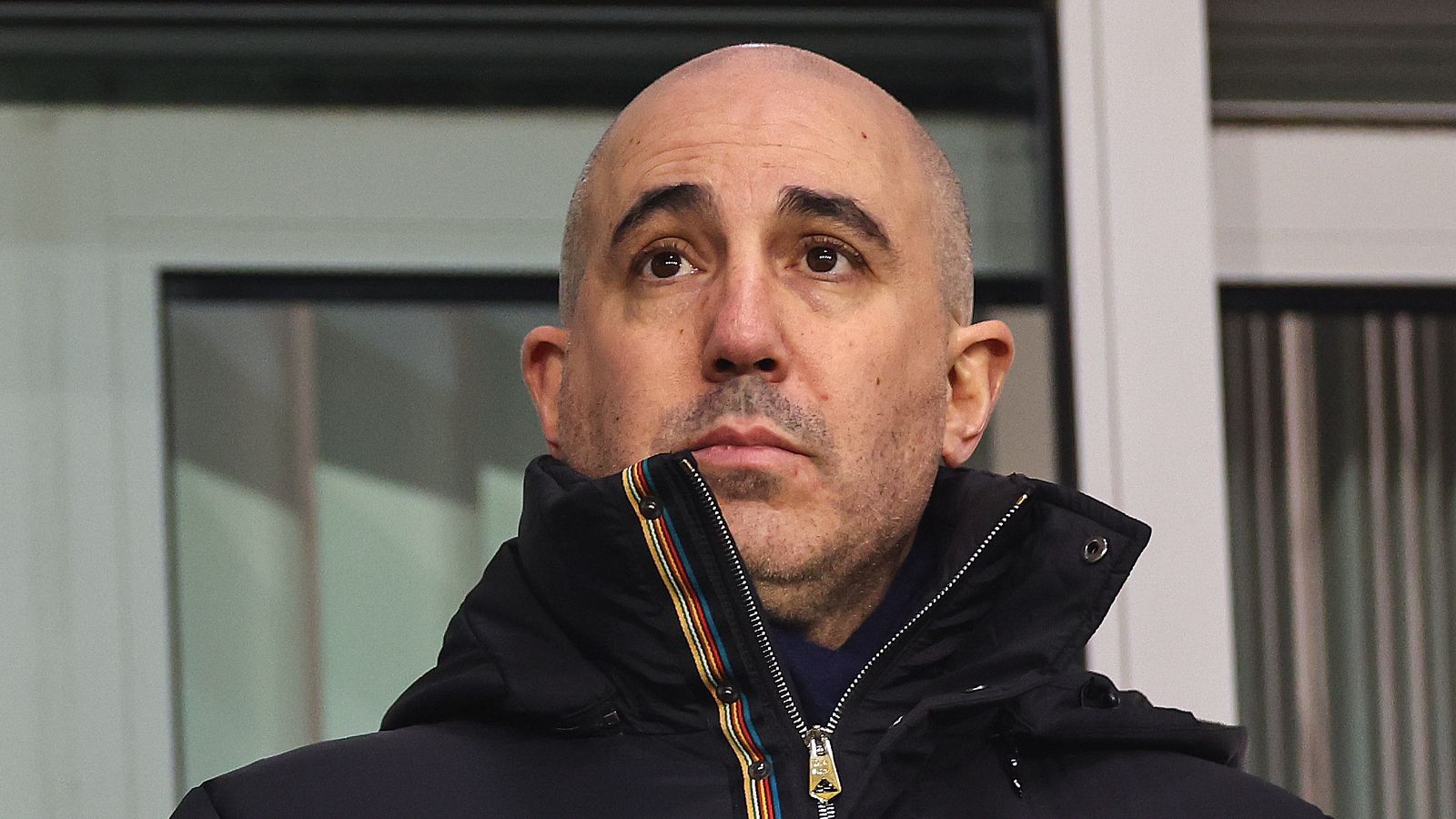
Manchester United CEO Omar Berrada has made his position public. With the summer window officially open and the 2026 World Cup just seven days away, the club is targeting five major signings to overhaul the squad. Berrada wants a clear, data-led recruitment strategy that pivots away from the chaotic spending of the past decade. The focus is specifically on age profile and tactical redundancy reduction.
This marks a definitive shift in institutional direction. Berrada, formerly of the City Football Group, intends to lower the average age of the core starting XI while shedding high-earners who do not fit a high-intensity transition system. The club is positioning itself for a long-term build rather than the short-term sugar hits that have defined recent windows at Old Trafford.
The tactical reality behind the five-player plan
United need reinforcements across the spine. The primary requirements reportedly involve a holding midfielder to screen a defense that looked porous throughout the 2025-26 campaign, alongside a young, explosive forward capable of playing across the front line. Internal analysis suggests the team lacked a player with the versatility to rotate effectively during heavy fixture congestion.
The club is also scouting defensive depth to provide cover for long-term injuries. While reported by the Mirror, this strategy hinges on aggressive early moves. There is a secondary need for a ball-playing center back who can distribute with the composure required for modern pressing systems. Without this specific profile, the current high-line defensive strategy remains inherently risky.
The friction points and potential pitfalls
Despite the clarity of the plan, the market is historically unkind to clubs with obvious needs. Rivals are aware of United’s budget and specific requirements, which rarely leads to favorable negotiations. Any delay in finalizing these targets will likely see prices inflate as clubs look to replace their own departures before the season starts.
One major observation: the squad still possesses significant deadwood. Selling players under long-term, high-value contracts is never simple. If the club fails to clear the wage bill, the five-player plan may inevitably shrink to three. Reliance on an optimized internal recruitment model is fine in theory, but United have a documented history of being unable to exit players in a timely fashion.
Probability and outlook
The credibility of this report sits at Tier 2. Berrada’s comments are direct, but the execution phase is where most board-level mandates break down. The club needs a total of 5 arrivals to address the current gap between them and the league leaders, but achieving this before the late-August deadline is ambitious.
Expect movement to slow down once the World Cup kicks off next week. If no concrete bids for their primary holding midfield target happen by early July, the narrative will default to the standard frustrations seen in previous summers. The club's reliance on a new recruitment structure is a welcome change, yet the market dictates the speed of these upgrades, not just the CEO's intention.
If the deal structure holds, the impact would be transformative for the club's defensive transition. A consistent, high-energy midfield would stabilize the back four and allow the wingers more space to operate. It is a necessary shift to keep pace with the rest of the top four competition, provided the identified targets are actually capable of playing the intensity required for a full thirty-eight match season.