
Sinclair Armstrong’s move to Goztepe is a puzzling gamble for all involved
The quiet exit from Ashton Gate
Sinclair Armstrong’s permanent departure from Bristol City to Goztepe for an undisclosed fee signals a distinct shift in the Championship’s talent pipeline. On Tuesday, June 3rd, the confirmation of his transfer to the Turkish Super Lig arrived with little fanfare, leaving those monitoring the Robins’ depth charts to wonder about the long-term planning behind the move. While Bristol City continues to remodel their attacking options, losing a player with Armstrong’s physical profile mid-transition feels like a gamble that prioritizes immediate balance sheet optics over pitch production.
Tactical implications of the Super Lig transition
Style of play hurdles
Armstrong enters a Goztepe side that demands high-intensity output, a stark contrast to the tactical variation found in the English second tier. Managing the physicality of Turkish defenders while adjusting to a new linguistic and social environment is a steep climb for any young forward. We have seen similar profiles struggle to adjust, often finding themselves marginalized by the 12th matchday when the initial enthusiasm of a new signing fades against the reality of tactical discipline.
The metrics of a missed opportunity
If we look at his underlying numbers at Bristol City, there was a clear upward trajectory in how he occupied space between the central defenders. He provided a specific utility that allowed the midfield to push higher, creating 0.34 xG per 90 minutes during his most active stretches of play. By offloading him now, Bristol City is betting that their scouting department has identified a replacement who can replicate that gravity without the volatility that sometimes defined Armstrong’s finishing.
The booking of a career path
Much like we see in the volatility of professional sports entertainment, where figures like Tony Schiavone have redefined endurance, consistent performance in football is rare. Young forwards are often treated as expendable assets rather than investments in a core identity. When a club moves a player who is still developing, they risk repeating the errors of those who prioritize quick turnover over tactical cohesion.
Critics will point to the undisclosed nature of the fee as evidence that Bristol City sought to shift wages rather than maximize pure market value. There is an unmistakable cynicism in seeing such deals materialize during the pre-tournament window. As international squads prep for the World Cup kickoff in 8 days, the focus should be on building blocks for the autumn, yet the movement of players suggests a league still very much in flux.
Ultimately, this transfer creates more questions than answers. Unless Goztepe has a refined specific role carved out for him, Armstrong risks becoming another entry in the list of players who vanish into the mid-table limbo of European secondary leagues. Mid-card prestige in wrestling is currently seeing a resurgence because of performers like Penta and Sol Ruca, but football rarely affords young players the same narrative security to grow into their roles.
Read Next
- Milan are chasing shadows in a summer of discontent
- Southampton are setting themselves up for a total collapse next season
- Liverpool's managerial gamble is an algorithm-driven departure
- Arsenal fans are actually debating a Dusan Vlahovic reunion
- 🏟 EFL Championship 2025-26 — Promotion Race & Play-Off Final Hub
Fire TV Stick 4K Streaming Device
Your fast track to streaming every PL and World Cup match.
Frequently Asked Questions
Which club did Sinclair Armstrong join after leaving Bristol City?
What tactical role did Sinclair Armstrong play at Bristol City?
How did Armstrong perform statistically at Bristol City?
Why is the move to Goztepe considered a gamble for Armstrong?
What is the primary criticism of Armstrong's transfer?
More Coverage

Southampton are setting themselves up for a total collapse next season
1 day, 3 hours ago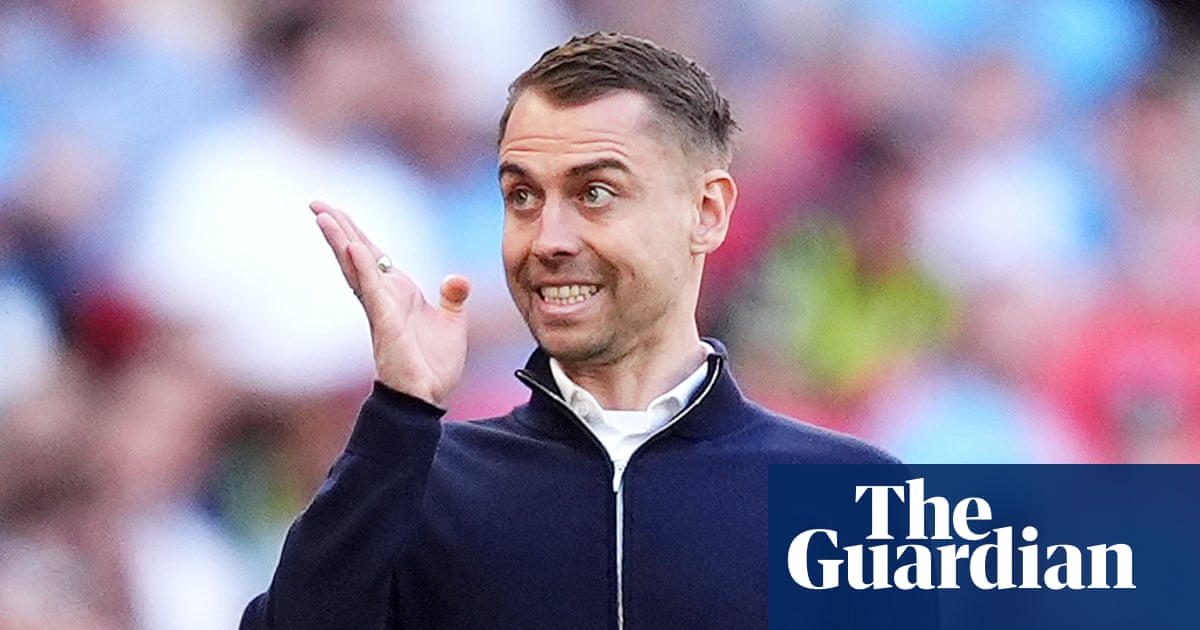
Southampton’s front office is betting the club’s future on collective amnesia
1 day, 6 hours ago
Brandon Thomas-Asante faces sideline stint after late-season knock
1 day, 11 hours ago
Southampton signals intent as Solak backs executive team for promotion push
1 day, 11 hours ago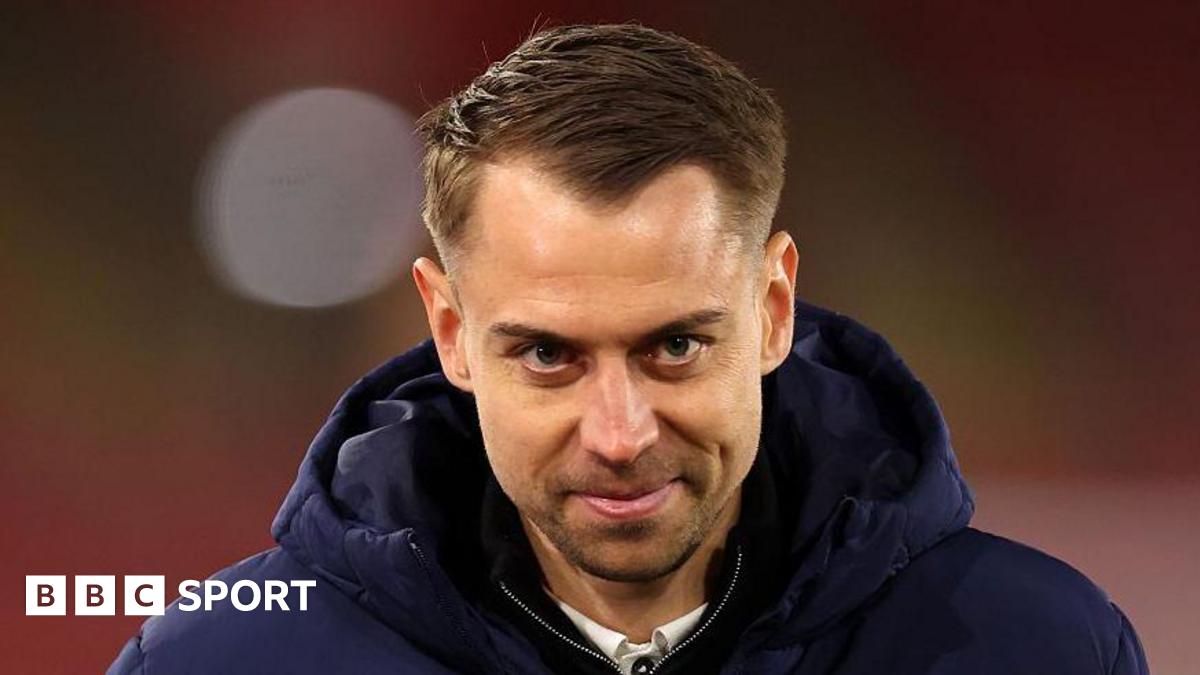
Southampton’s internal chaos sets the stage for a messy summer
1 day, 13 hours ago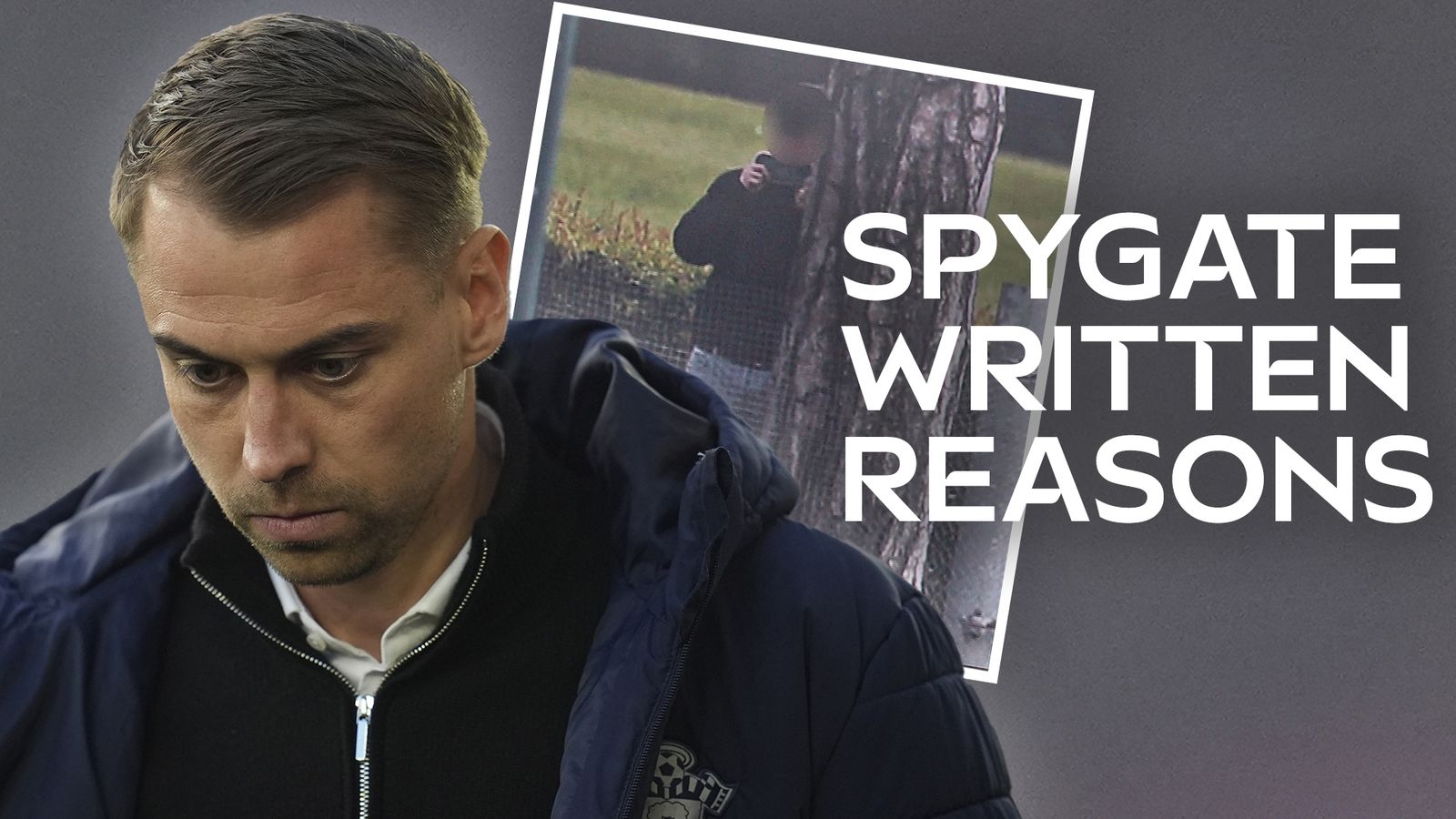
Southampton are rotting from the head down
1 day, 21 hours agoMore Analysis

Liverpool's managerial gamble is an algorithm-driven departure
52 minutes ago
Arsenal fans are actually debating a Dusan Vlahovic reunion
an hour ago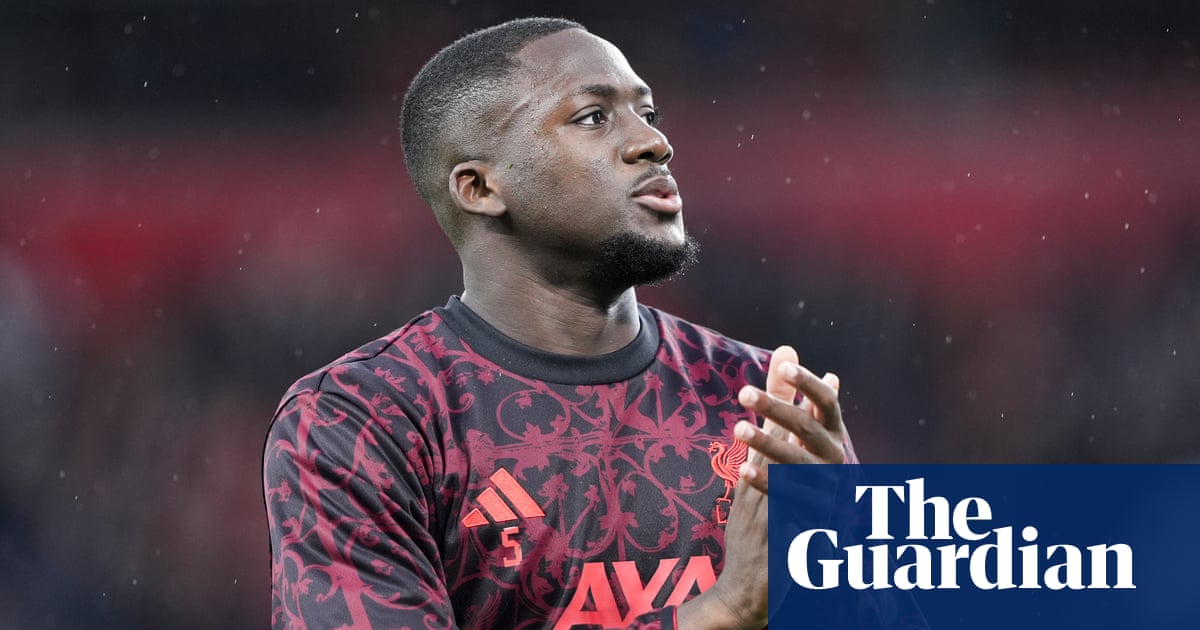
The football world rallies around Ibrahima Konate
an hour agoSouthampton boss Eckert is firing shots about German spying
an hour ago
Pochettino to Milan is the chaotic summer fuel we deserve
an hour ago