
Spain’s World Cup opener exposed their biggest tactical weakness
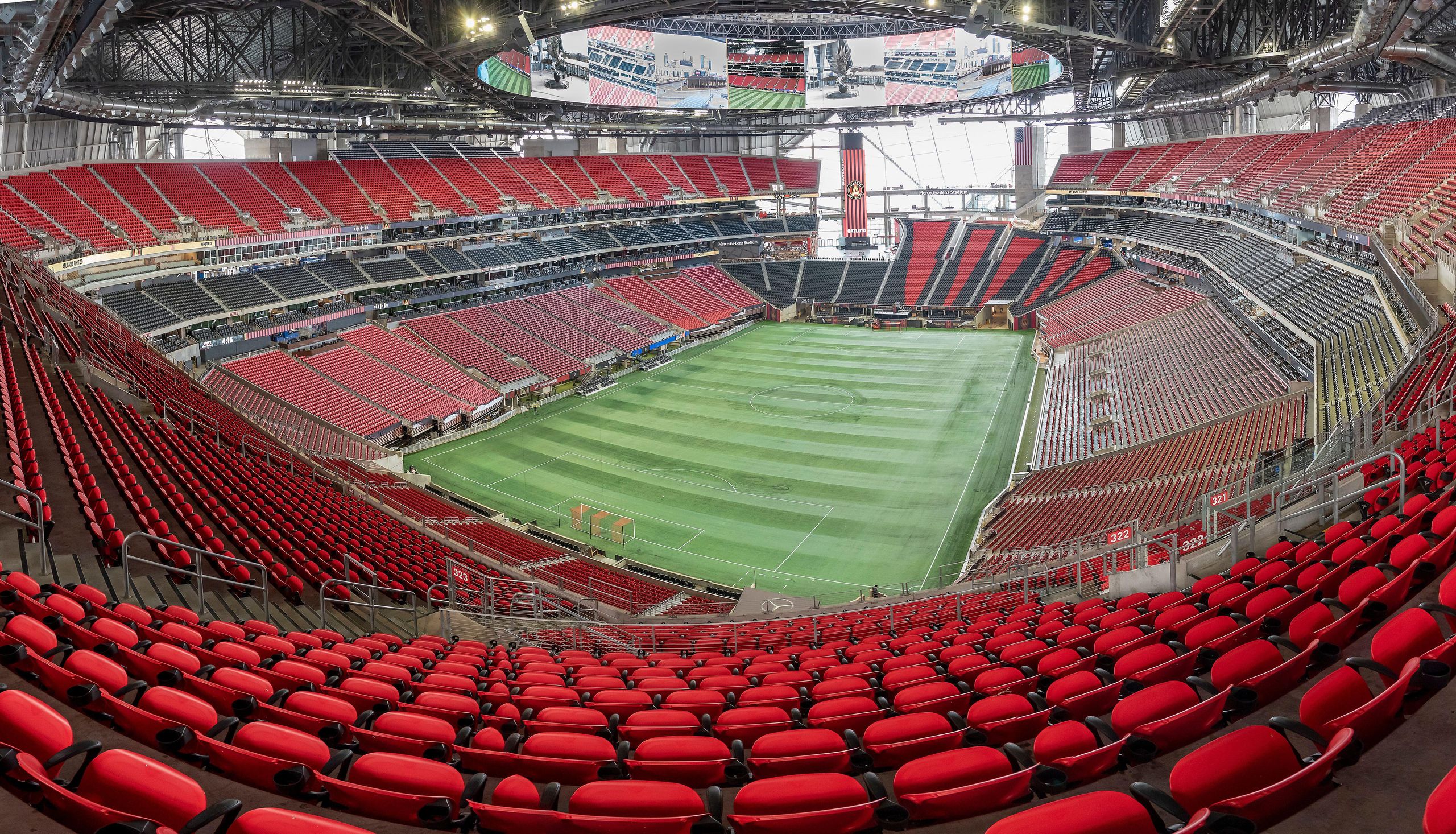
The 0-0 stalemate that shook Group H
International football rarely provides individual defensive clinics as pure as the one displayed by Cape Verde in Atlanta. As Sky Sports reported, Spain arrived as European champions, expected to dismantle a debutant side. Instead, they managed a goalless draw that left Luis de la Fuente’s side looking toothless and predictable.
The headline metric from the 90 minutes points directly to the man of the hour: 40-year-old goalkeeper Vozinha. According to the Daily Mail, he managed to prevent 1.46 xG through seven high-tension saves. While the scoreline will be remembered as a massive upset, the underlying game state reveals that Spain failed to adapt when their primary attacking avenues were closed off.
The Lamine Yamal dilemma
Much of the pre-match talk centered on Lamine Yamal’s fitness concerns, as FourFourTwo documented. De la Fuente was forced to leave his wunderkind on the bench, relying on tactical adjustments to spark the offense. When Yamal finally entered the fray, Spain’s tempo increased, but the damage to their structural integrity was already done.
The failure of the forward tasked with deputizing for Yamal became a focal point of the analysis from Atlanta. Without Yamal starting, Spain lacked the diagonal penetration required to pull Cape Verde’s deep-block defense out of their narrow defensive channels. The strategy became an exercise in horizontal ball movement that rarely challenged the 40-year-old goalkeeper until the final third of the pitch entered desperation mode.
Tactical rigidity meets heroic resistance
Watching the match unfold, the pattern was clear by the 30th minute. Cape Verde utilized a compact 4-5-1 formation that effectively nullified the half-spaces where Spanish creative players usually thrive. Spain attempted to overload the flanks, but the delivery lacked the necessary whip to bypass a defense that refused to be drawn out of position.
The disappointment for Spain wasn't just the result; it was the lethargy of their pressing structure. BBC coverage confirmed that Cape Verde’s backline moved with a synchronized discipline that suggested they had spent months planning for this specific iteration of Spain. When Spain lost possession, their counter-press was disjointed, allowing Cape Verde to sustain possession just long enough to reset their defensive shape.
One record was broken, though it provided cold comfort to the Spanish camp. As noted by FourFourTwo, a Spanish forward set a staggering 60-year record during the match, yet the output remained sterile. Relying on historical patterns in a match defined by modern tactical discipline is a dangerous game. For a tournament favorite, a failure to break down a low block in a 0-0 opener serves as a sharp reminder that individual brilliance alone cannot solve structural deficiencies.
Cape Verde’s celebrations at full-time were entirely justified. They proved that with an organized mid-block and a keeper willing to sacrifice his body, even the most talented rosters can be reduced to aimless possession. De la Fuente has much to fix before their next group match, as the blueprint to stop his team is now pinned on every wall in the competition.
Read Next
- Cape Verde just dunked on Spain's entire national identity
- Cape Verde's secret weapon ahead of the clash with Spain
- Top 10: The Rise of Cape Verde Football
- Spain looks disjointed and the 2026 World Cup is already punishing them
- 🏆 World Cup 2026 — Full Coverage Hub
- 🇪🇸 Spain World Cup 2026 — La Roja Hub
adidas Adult Tiro Club Shin Guards
Classic, low-profile protection for Sunday league warriors.
Frequently Asked Questions
Why did Spain struggle to score against Cape Verde?
How did Cape Verde defend against Spain?
What impact did Lamine Yamal's absence have on Spain's performance?
What tactical failure defined Spain's draw?
Who was the standout performer for Cape Verde?
More Coverage

England vs Croatia is the World Cup grudge match we deserve
an hour ago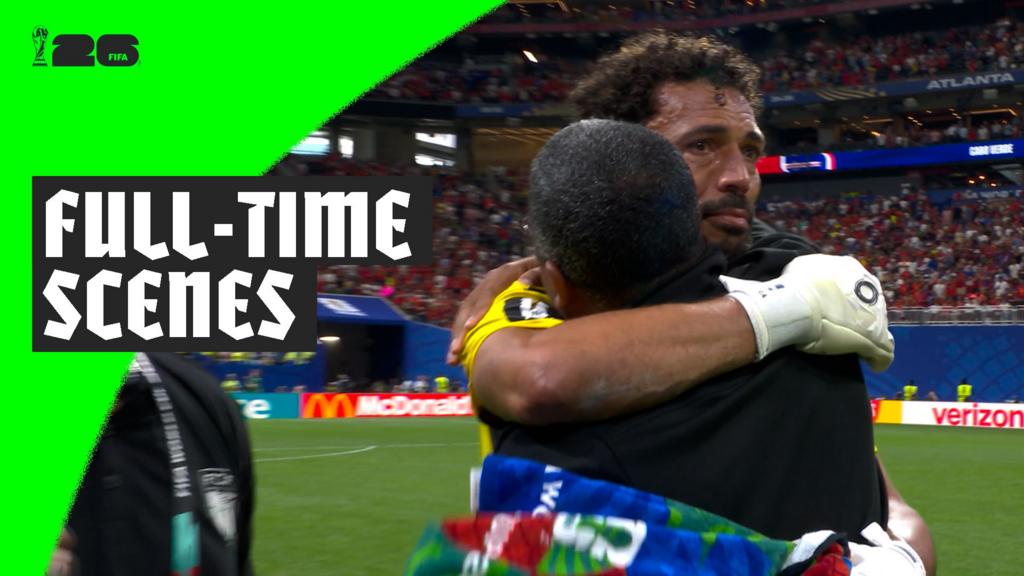
Spain looks disjointed and the 2026 World Cup is already punishing them
2 hours ago
Thomas Tuchel is prioritizing comfort over logic in Kansas City
2 hours ago
Cape Verde just dunked on Spain's entire national identity
2 hours ago
Wolves hiring Cesar Peixoto is a massive gamble that reaks of desperation
3 hours agoSpain struggle to break down Cape Verde in shock stalemate
3 hours agoMore Analysis

Transfer window economics show a predictable pattern for newcomers
an hour ago
Darwin Nunez and the reality of a Liverpool homecoming
an hour ago
England vs Croatia is the World Cup grudge match we deserve
an hour ago
Liverpool chasing Yan Diomande to solve defensive depth issues
an hour ago