The ghosts of the tournament
As the clock ticks toward the June 11 kickoff, the reality of missing talent sets in. FIFA’s expanded format didn't stop heavy hitters from collapsing during the qualification cycle. We are looking at a lineup of players who define the elite level but will be watching from a couch instead of the pitch.
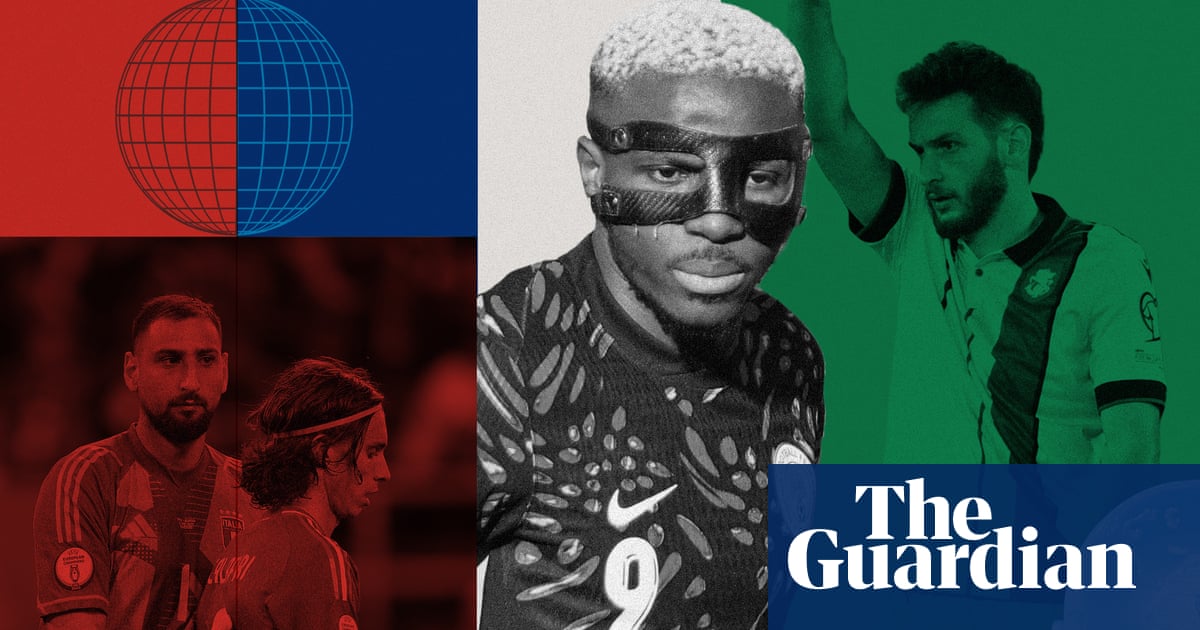
Gigio Donnarumma represents the most jarring exclusion. Italy’s captain remains one of the premier shot-stoppers on the planet, yet his summer involves zero international action. His recent move to Manchester City was supposed to be his crowning domestic achievement, but it does little to alleviate the frustration of another missed major tournament for the Azzurri.
Why the elite are staying home
Gigio Donnarumma is widely considered one of the best keepers in the world. After a high-profile move to Manchester City, he has quickly adapted to the Premier League.
Donnarumma serves as the anchor for a phantom squad that could genuinely compete in the knockout rounds. The gap between national team infrastructure and club performance has never been wider. It is a damning critique of the qualifying process when individual brilliance at the Etihad or the Allianz Arena cannot compensate for organizational dysfunction at the federation level.
Khvicha Kvaratskhelia is another name etched in gold on this "Shattered Dreams" XI. The Georgian winger is arguably the most electrifying ball-carrier in Europe, yet he remains confined to the sidelines of football's biggest stage. It is a massive disservice to the sport to have a creative force of his caliber omitted while lesser sides fill out the bracket.
Predicting the fallout
The absence of these players highlights a structural failure in how international football rewards success. When top-tier talent like the players identified by The Guardian sits idle, the quality of the competition inevitably dips. We are left with a tournament that ignores a significant chunk of the world’s best athletes.
It is worth noting that this trend of individual success decoupled from team success is accelerating. Club football is becoming so hyper-specialized that international managers struggle to implement high-level tactical frameworks in the limited windows they have. Consequently, coaches are prone to defensive conservatism that stifles creative outlets like Kvaratskhelia.
This is a major booking failure for the international calendar. If the goal of the World Cup is to showcase the sport’s peak, excluding players who have adapted successfully to the Premier League and other top circuits is a mistake. The product on the field will be cleaner, but it will lack the chaotic, high-skill edge that these specific stars provide.
Defining the missing eleven
The construction of this "best of the rest" team emphasizes geographic imbalance. With a rule limiting selection to two players per country, the spread covers nations that simply couldn't get their chemistry right. It isn't just about the star power; it is about the lack of coherent tactical systems supporting that power.
We can expect pundits to lean heavily on the "missing stars" narrative once the third-place matches roll around and fatigue sets in. The discourse will shift from tactics to fatigue management, specifically questioning why elite players are reaching their physical limits earlier in the cycle. Watch closely how the midfield transitions look during the opening group stage matches.
The criticism here is sharp: FIFA has prioritized volume over density. By chasing a broader footprint, they have watered down the concentration of talent. The result is a tournament that feels less like a gathering of the best and more like a bureaucratic exercise in global logistics.
Ultimately, these players will return to their clubs with refreshed legs but hollowed-out resumes. Donnarumma will be training with City back-up staff while his peers handle the pressures of international knockouts. It is an indictment of the system that the world's most valuable assets are treated as afterthoughts in the current qualification scheme.
Keep an eye on the defensive lines during the group stages. If teams consistently fail to break down mid-table opponents, remember the names left behind in Manchester, Naples, and beyond. The technical quality is there; it just isn't participating this June.