Tier 2: Tactical friction in the Three Lions camp
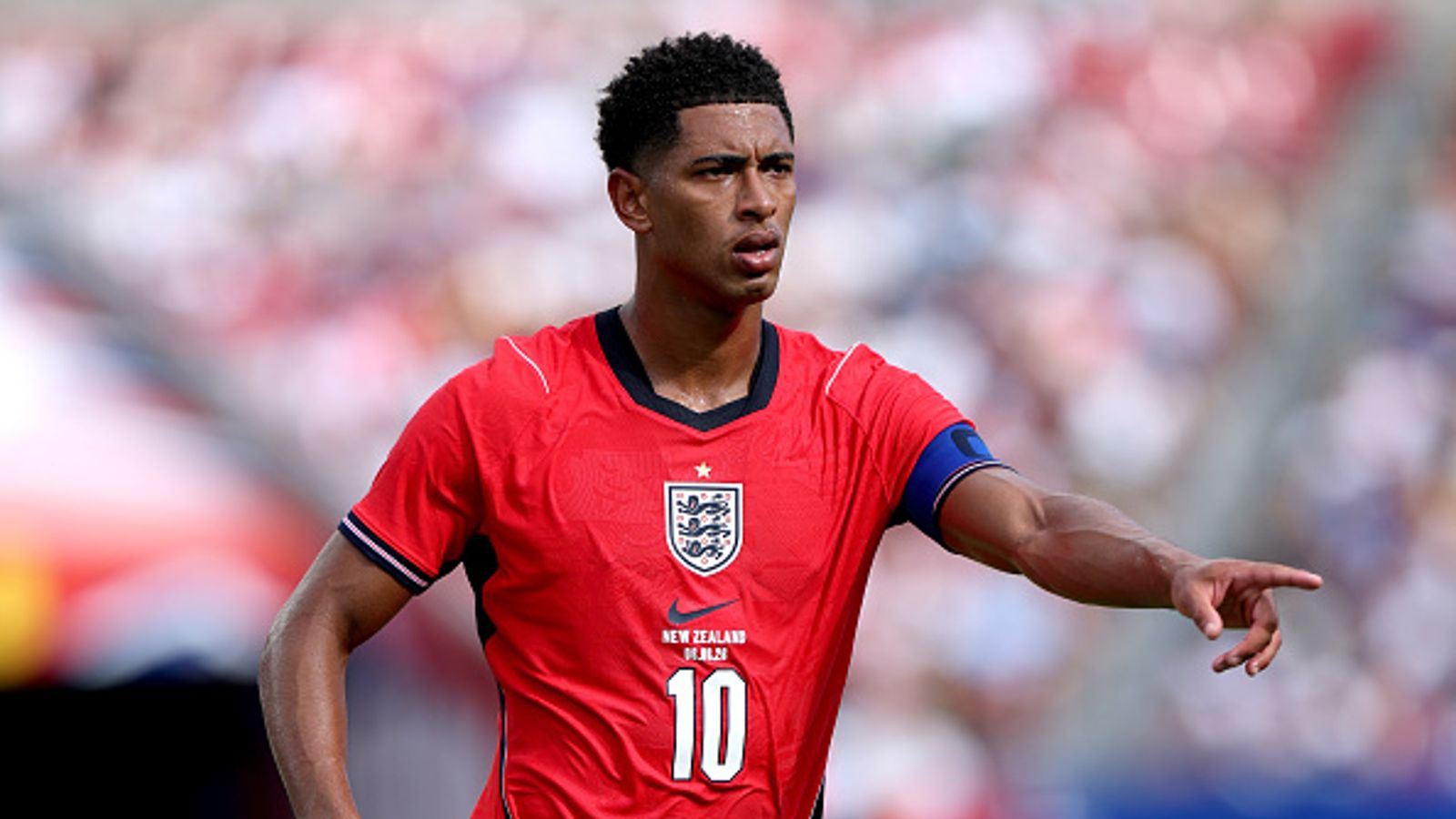
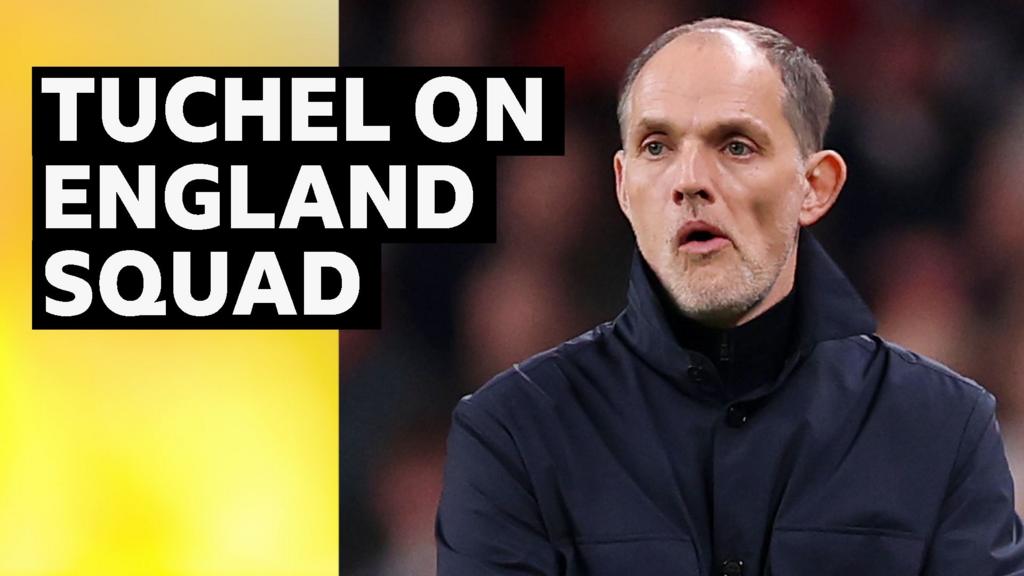
Thomas Tuchel is signaling a hard reset for England’s starting XI just days before the 2026 World Cup kickoff. Sources confirm the manager is actively challenging the automatic inclusion of Jude Bellingham. Despite Real Madrid’s reliance on the midfielder, Tuchel has publicly stated that earning a starting role is a non-negotiable requirement for his squad.
This is a tactical gamble. Tuchel is known for rigid positional discipline, often clashing with creative stars who prefer fluid movement. Bellingham’s versatility is his greatest asset, but in a tightly controlled system—similar to the ones Tuchel deployed at Chelsea and Bayern—individual brilliance often takes a back seat to defensive structure. If the training sessions in the US don't show perfect cohesion, the Real Madrid man could find himself on the bench for the opener.
The squad chemistry problem
England’s preparation has been erratic. The side recently played New Zealand on a surface described by insiders as a patchwork quilt, and they now face potential thunderstorm disruptions before their friendly with Costa Rica. These aren't just logistical annoyances; they are interruptions to the tactical work Tuchel is desperate to implement. When pitch quality and weather patterns dictate training intensity, specific drills regarding press triggers and transition speed suffer.
Adding to the noise, external distractions are mounting. Roy Keane has already hinted at walking away from his ITV punditry role after this summer, describing the environment around the tournament as increasingly difficult to navigate. If the squad absorbs any of the surrounding corporate alienation reported by segments of the press, internal focus will fracture. The transition from club football to a three-country hosted tournament is testing the mental limits of every major squad.
The probability of a shock omission
Assessing the likelihood of Bellingham sitting out a group stage match: Moderate. Tuchel is not a manager who bows to market sentiment or shirt sales. He maintains a reputation for benching high-profile names if they deviate from the defensive mandate. While the betting markets treat Bellingham as a lock, the internal reality at the training base suggests a fiercer competition for the engine room.
The timeline for clarity is short. We get a definitive look at Tuchel’s pecking order during the upcoming warm-up match against Costa Rica. If he opts for a double pivot of more defensive-minded players, it confirms the Bellingham experiment is on ice until the knockout rounds. The risk is high; dropping a player of that creative output during the group stages sends a signal, though it may backfire if England struggles to break down compact blocks.
The fallout of the selection strategy
If Tuchel proceeds with this hard-line approach, the impact will be immediate. England risks becoming a team that is difficult to beat but allergic to scoring against deep-lying opponents. We have seen this iteration of 'Tuchel-ball' before: extreme safety leading to 1-0 narrow wins or frustrating draws. When you remove creative freedom to satisfy a defensive structure, the burden of execution falls entirely on the strikers.
However, the flaw in this strategy is flexibility. If the opposing team manages to land an early goal, moving from a rigid defensive shape to a high-risk offensive one is often too slow. England has the talent to cruise through the group stage, but their road to the final four is littered with opponents capable of exploiting an out-of-position, frustrated star player. For a team looking to erase 60 years of tournament heartbreak, this move reeks of over-complication rather than tactical genius.
Read Next
- Jude Bellingham is playing a high-stakes game of confidence
- Jude Bellingham's England status under fire as Thomas Tuchel retools for 2026
- Harry Kane is at a career inflection point
- Danny Dyer's England Rant Has Us All Asking Where Bowen Is
- 🏆 World Cup 2026 — Full Coverage Hub
- 🏴 England World Cup 2026 — Three Lions Hub