The defining shifts from a chaotic campaign
The 2025/26 season served as a pressure-cooker for European football, defined by rapid managerial shuffles and record-breaking transfer activity. This list captures the high-stakes decisions and on-pitch reversals that shifted the balance of power across the continent.
The Ranking of Impact
- Arsenal's tactical evolution: Under Mikel Arteta, the shift during the winter transfer window catalyzed a Premier League title charge, culminating in a trophy win confirmed on the final day. By securing depth, they neutralized the fatigue that haunted their previous campaign. This rank sits at number one because it defied the traditional narrative of the club wilting under February pressure.
- The Arne Slot firing: Liverpool's decision to cut ties with Slot mid-cycle sent shockwaves through the Premier League and forced a total reset at Anfield. The club stalled in the table, appearing directionless while tactical cohesion evaporated. It remains an indictment of the front office's lack of long-term vision.
- Ibrahima Konate moving on: After five years at Anfield, his departure marks a defensive crisis for a squad already struggling with instability. His exit highlights a disconnect between player valuation and club hierarchy. It lands here because it signifies the end of a core defensive partnership that once defined the Klopp success era.
- Edu's aggressive recruitment: The sporting director initiated a £35m pursuit of a defensive target to stabilize the back line's rotation. This move suggests an escalation in Arsenal's spending power after their Champions League disappointment. It ranks highly because it signals a transition from organic growth to mercenary-style squad completion.
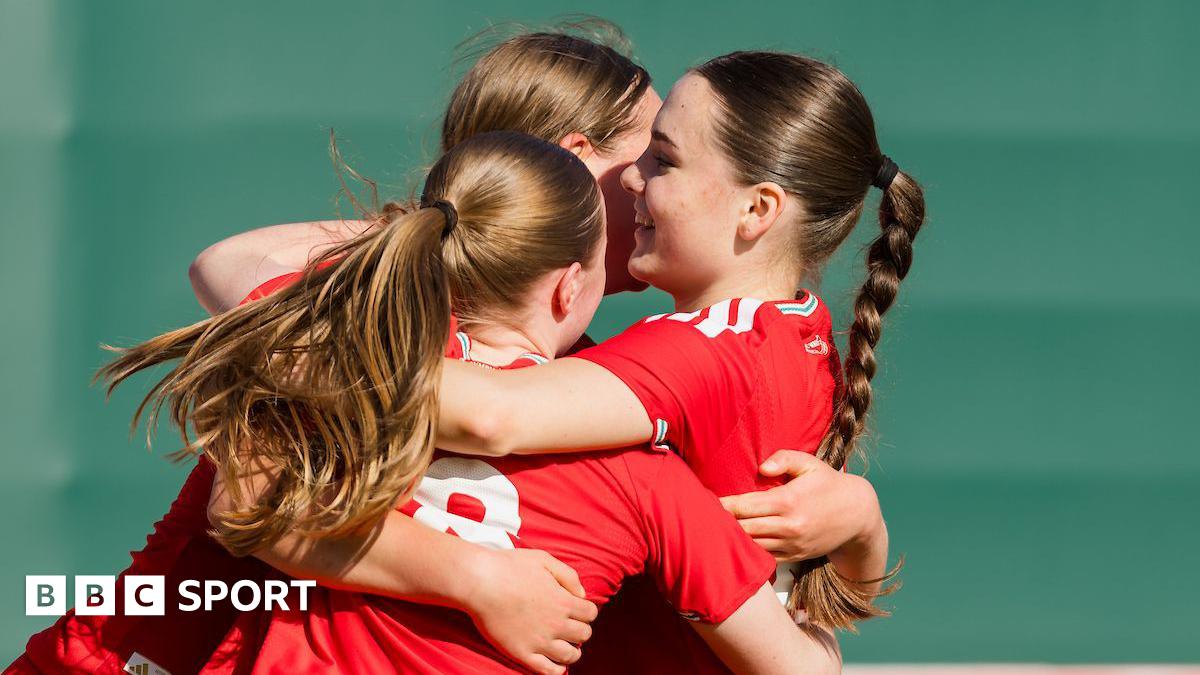
- The Wales pathway critique: Campaigners recently highlighted the unacceptable gap in women's age-grade football, as the BBC reported. The lack of U21 and U23 squads is stalling talent development for senior call-ups. This is ranked lower only because the change is administrative rather than immediate on-pitch action, though its long-term consequence is massive.
- Champions League final heartbreak: Arsenal fell just short in a low-scoring thriller that highlighted their inability to close out continental ties. Despite their league dominance, the defeat leaves a dark shadow over their status as Europe's elite. It serves as a reminder that domestic success often masks structural flaws in tournament knockout formats.
- The mid-season defensive dip: Before the January reinforcements arrived, Arsenal dropped nine points in three matches due to injury-plagued rotations. This period nearly derailed the entire season before Edu stepped in to stabilize the ship. It ranks here as a cautionary tale of why squad depth is not a luxury, but a requirement.
- Anfield's recruitment failures: The inability to sign replacements for departing veterans left the squad threadbare during the spring. This error forced academy call-ups into high-pressure scenarios for which they were unprepared. It was a failure of scouting as much as it was a failure of management.
- The tactical rigidity of the slot era: Liverpool's insistence on a specific high-press configuration despite failing personnel was a strategic blunder. It caused the team to concede high-probability chances late in games. Watching the tactical discipline crumble in real-time was a sobering look at how fast elite units can decay.
- The emergence of under-21 prospect pathways: Although the infrastructure is lacking, the pressure from supporters to create these development channels reached a boiling point in May. The demand for an U23 side puts the FA under the spotlight before the next qualifying cycle. This entry acknowledges the power of grassroots advocacy to change national policy.
The Big Picture
Every moment on this list tracks either a successful pivot or a systemic failure. Elite football is defined by how quickly a club acknowledges their flaws, and 2026 proved that hesitation is fatal to silverware chances.
Honorable Mentions
The tactical shift of Trent Alexander-Arnold into a permanent midfield role despite defensive exhaustion receives an honorable mention; it provided brilliance but sacrificed structural integrity. Additionally, the FA's continued quiet on the proposed women's football restructuring remains a massive, unresolved point of contention as we approach the World Cup kickoff on June 11.