Setting the Stage for the Summer
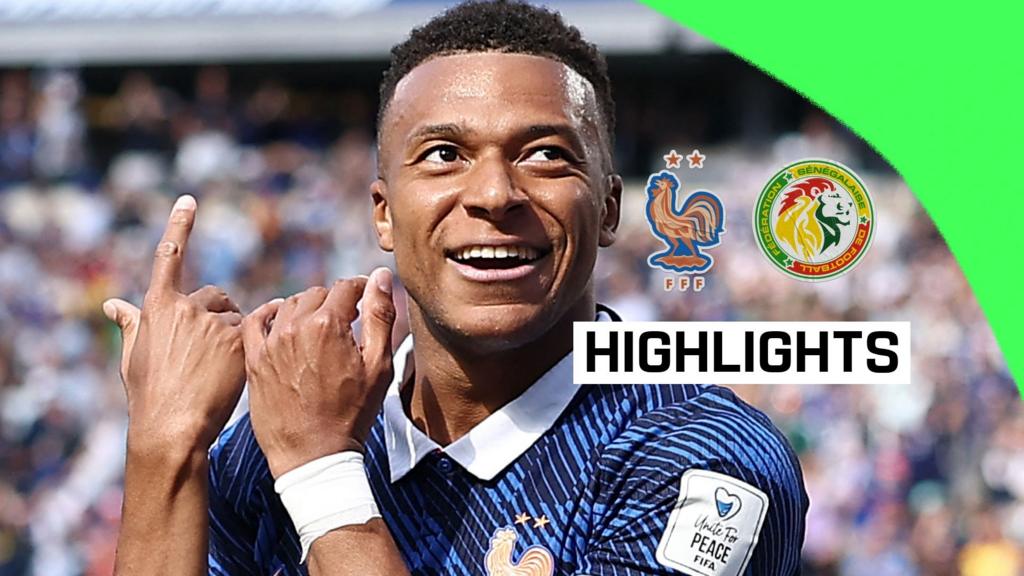
The 2026 World Cup kicked off with France laboring to a 3-1 victory against a resilient Senegal squad in Lyon. While the result was decisive, the pathway to three points exposed significant flaws in the French setup that warrant immediate scrutiny.
These ten moments capture the narratives emerging from a match that promised attacking flair but delivered tactical grit. We are looking at the plays, errors, and brilliance that dictated the action at Groupama Stadium.
1. Kylian Mbappe’s Opener
Mbappe broke the deadlock in the 14th minute, finding space between two defenders to slot home a clinical finish. It was the movement off the ball that separated him from the rest of the pack. He dictates the speed of the match when his teammates seem to be standing still. This remains the gold standard for how to execute a counter-press transition.
2. Senegal’s Equalizing Strike
The equalizer in the 32nd minute was a masterclass in tactical discipline for the underdogs. A sweeping move down the right flank exploited France’s high line, leaving the central defenders scrambling. It caught the French defense at 1-1 and silenced the home crowd briefly. The positioning of the French midfield here was purely reactive.
3. The Tactical Stagnation
Between the 40th and 60th minutes, the game slowed to a crawl. France kept possession but lacked the verticality required to break Senegal down. As BBC Sport reported, the lack of urgency in the first hour was glaringly obvious. A top-tier contender should not be this predictable against a side utilizing a low block.
4. Deschamps’ Personnel Adjustment
The manager initiated a tactical shift just after the hour mark to inject pace into the final third. By moving to a more direct wide play, he forced Senegal to stretch their defensive lines. This was the moment the momentum swung back in favor of the favorites. Coaches often get credit for wins, but this was a necessary correction to a sloppy start.
5. Mbappe’s Decisive Brace
His second goal in the 78th minute restored the advantage with a powerful drive into the bottom corner. It was less about the technical skill and more about his refusal to allow the game to end in a draw. He carried the offensive burden while others struggled to find space. This ranks high because it defined the eventual 3-1 scoreline.
6. The Midfield Breakdown
France’s midfield core displayed uncharacteristic hesitation during defensive transitions throughout the first half. Senegal thrived on these lapses, stringing together passes that bypassed the French press with ease. If Arteta is indeed seeking midfield reinforcements for his own project, he likely noted how much pressure individual errors can cause against organized opposition. This performance was a blueprint on how *not* to control the center of the pitch.
7. Defensive Recovery
France’s back line steadied significantly after the 70th minute. While speculative runs from Senegal were frequent, the containment in the final quarter was disciplined. They prevented any clean looks as the game hit the 85th minute mark. It was the only period of sustained defensive composure for the hosts.
8. Senegal’s Disciplinary Issues
A yellow card in the 82nd minute disrupted what little momentum Senegal had left to push for a late goal. They became visibly frustrated, leading to unnecessary fouls that stopped the clock. This was a missed opportunity to execute a controlled finish to the match. Discipline is usually the difference between a draw and a narrow defeat.
9. Substitution Efficiency
The introduction of fresh legs allowed France to dominate the final five minutes of play. It was the shift in energy that allowed for the third goal to be firmly planted. Tactical depth proved to be the difference-maker against a physically drained Senegal side. Managing these minutes is vital for a deep tournament run.
10. The Final Whistle Context
The 3-1 result serves as a reminder that results often mask underlying performance issues. France won, but they did not dominate. The crowd’s reaction at the whistle was appreciative but reserved, sensing the work yet to be done. It ranks last because a result on paper does not always reflect the reality on the pitch.
Honorable Mentions
The individual runs by the Senegalese wingers deserve note for their consistency throughout the first half. Similarly, the goalkeeper’s multiple stops in the dying minutes prevented a further blowout. Both provided flashes of individual brilliance that momentarily lifted the quality of a stale match.
Read Next
- Why France and Senegal are set for a tactical repeat of 2002
- Mbappe is hitting his prime but France has a glaring midfield issue
- France looked sluggish against Senegal but managed to grind out the result
- France are walking into a tactical nightmare against Senegal
- 🏆 World Cup 2026 — Full Coverage Hub
- 🇸🇳 Senegal World Cup 2026 — Lions of Teranga Hub
- 🇫🇷 WC 2026 Group I — France, Senegal, Norway