The Big Picture
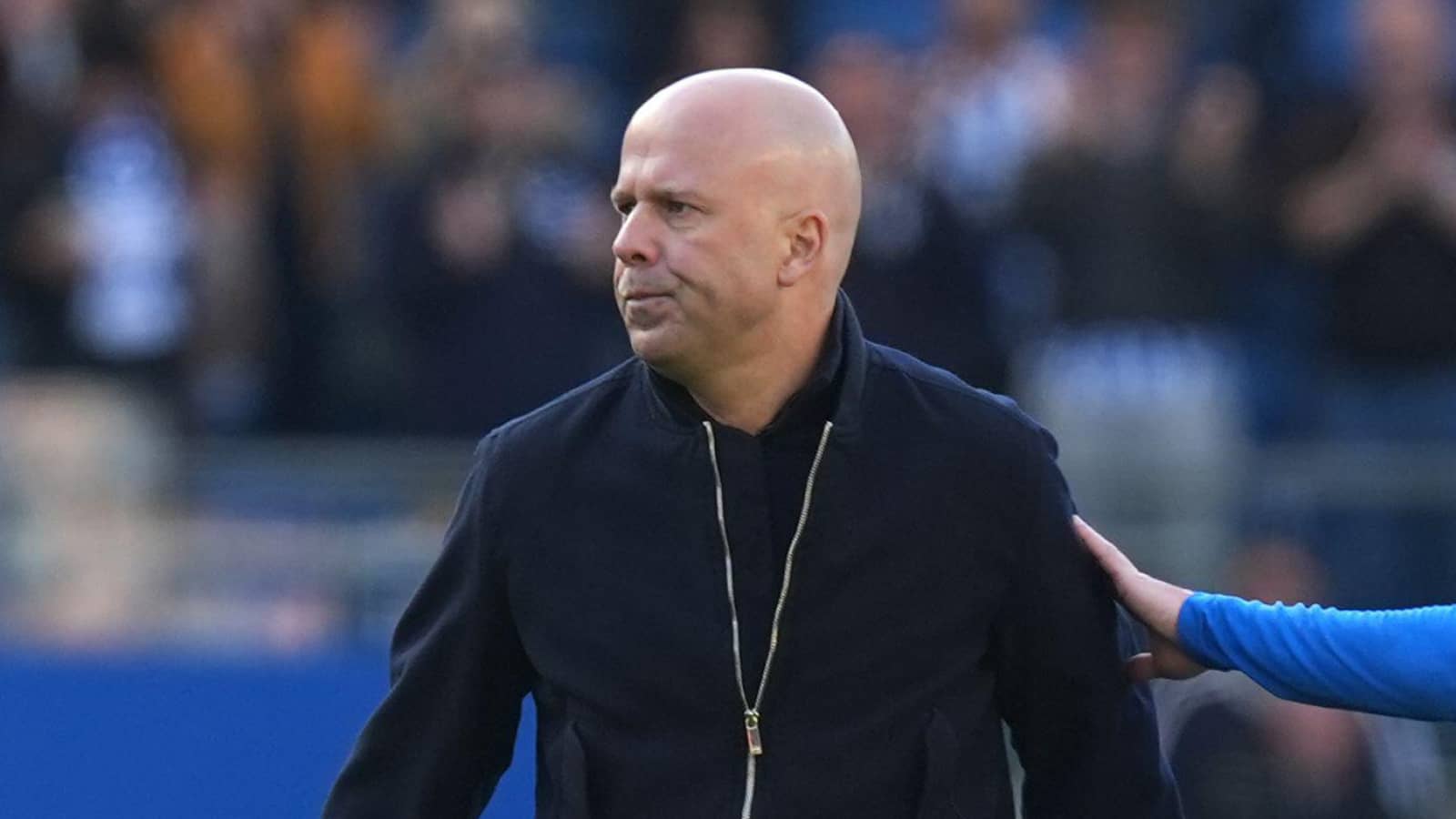
Liverpool enters a transition phase as Andoni Iraola takes the helm following the Arne Slot tenure. The club remains in a state of flux with tactical mandates shifting as they prepare for the 2026/27 campaign. Here is how the current state of Anfield stacks up as we look toward the future.
The Rankings
1. The Appointment of Andoni Iraola
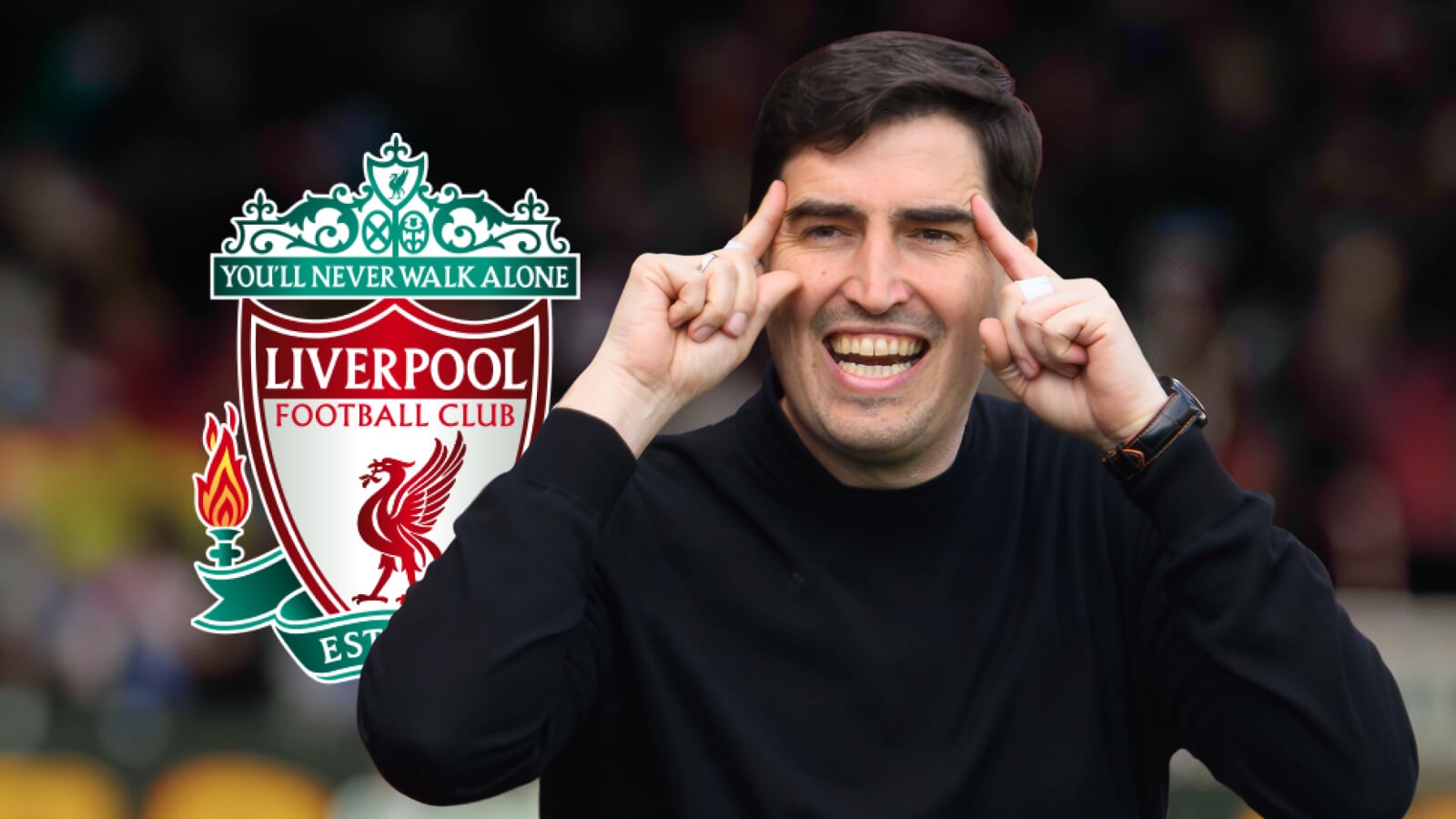
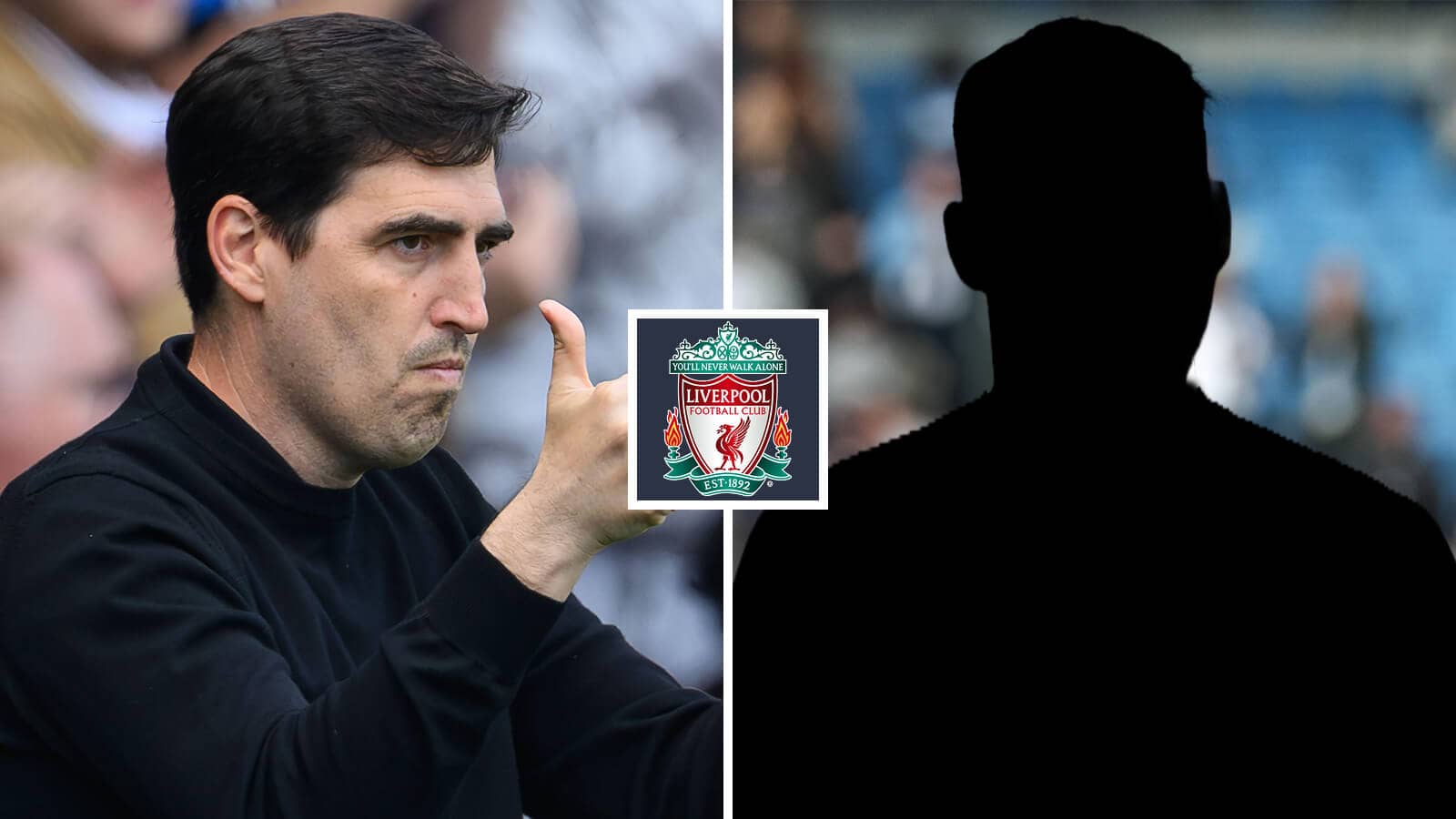
Iraola is the primary figurehead for the immediate future of the club. His transition into the role follows a period where the Liverpool squad was issued a nine-word warning regarding the intensity expected under his stewardship. This choice signals a move away from the specific tactical nuances Slot preferred. It is the most significant change because it dictates the entire identity of the upcoming season.
2. Securing European Football
The campaign just concluded was defined by the guarantee of Champions League football. Without this foundation, the project would face severe financial and personnel constraints. Credit is due to the previous staff for maintaining the standard during a volatile year. It provides the stability Iraola needs to implement his specific style of play.
3. The Roster Integrity Question
The squad is currently facing intense scrutiny following the managerial switch. Reports suggest that key players have been informed that the standard of work will be entirely different moving forward. This is a high-risk factor that could either elevate performance or create discord in the dressing room. Whether the veterans buy in early will determine the ceiling of this team.
4. Identifying the Development Target
Iraola has already focused on specific individuals to elevate within the current structure. He has publicly stated his intent to focus on particular players to improve their output, aiming to maximize internal value rather than purely relying on the market. This tactical focus on individual development is a promising sign for long-term growth. It reflects a manager who prefers to build rather than buy.
5. The Strategic Policy Assessment
The new boss faces a distinct challenge regarding the two Jurgen Klopp rules that were previously scrapped by Slot. Iraola must decide whether to reinstate these constraints or chart a third path. Reverting to old habits might soothe nostalgia, but innovation is required to move past the recent period of uncertainty. This decision is pure optics versus efficacy.
6. The Recruitment Strategy
There is a pledge on the table regarding new signings. Iraola has committed to assessing the group before pushing for major movement in the transfer window. While fans crave instant impact, patience is a virtue here. The club needs to identify the exact profile to bridge the gap in the midfield.
7. Defensive Stability
Maintaining the defensive unit remains the most critical task for the summer. With the system set to change under Iraola, the communication efficiency must remain high. Any drift in organization will be exposed in the high-stakes environment of the Champions League. Stability here is the difference between a title race and a scramble for top four.
8. Managing Internal Expectations
The squad has heard the blunt truth about the work ahead. The transition from one tactical framework to another in back-to-back seasons is exhausting. Player buy-in is not a given just because a new manager is present. This is a potential point of failure if the results do not mirror the work rate demanded in training.
9. The Comparison Trap
Living in the shadow of previous managers is a constant threat at Anfield. It is counterproductive to harp on the differences between Slot and Iraola, yet that is exactly what the media landscape does. The club must block out the noise for this to function. Internal focus is paramount.
10. The Financial Landscape
Resource management is tight. With Chelsea and other rivals looking at similar management profiles, Liverpool must be sharp. Overspending on legacy players would set the club back years. Prudence is the only path forward for the owners this summer.
Honorable Mentions
The development of the youth academy remains on the fringes of the first team. If senior players fail to adapt, the prospect of introducing hungry academy talents into the rotation could be the saving grace. The impact of domestic cup competitions on squad depth also warrants observation as kickoff approaches.