The Big Picture
The Scottish Professional Football League operates on a unique frequency of chaos. Just when you think the football might do the talking, boardroom politics and petty rivalries drag everyone back into the mud.
You do not watch the SPFL for tactical purity. You watch it for the sheer, unrelenting drama that unfolds both on the pitch and in the executive suites.
This week’s ticketing debacle between Celtic and Rangers is just the latest chapter in a long history of administrative blunders. Here are the top ten storylines defining the absurdity of Scotland's top flight right now.
10. The Artificial Pitch Debate
Every winter, the discussion around plastic pitches rears its head again across the league. Managers complain about the unnatural bounce, and players complain about the long-term impact on their knees.
Yet, clubs like Kilmarnock and Livingston have relied on them heavily for financial stability and weather resistance. The spectacle of top-flight professionals struggling to control a ball on a rock-hard synthetic surface actively damages the league's reputation. It is a debate that goes in endless circles, offering absolutely zero real solutions.
The league seems entirely content to let the complaining continue indefinitely. They refuse to step in with a unified standard or a centralized funding package to help clubs transition back to natural grass.
9. Post-Split Fixture Scheduling
The SPFL split is designed to create late-season excitement, but it usually just breeds intense paranoia and conspiracy theories. Once the top and bottom six are decided after 33 games, the frantic rush to balance home and away fixtures inevitably leaves someone feeling completely cheated.
Managers study the schedule looking for perceived bias. Fans loudly declare the whole system is completely rigged against their club to deny them a massive gate receipt. The financial gap between finishing in the top six versus the bottom six is massive, making the post-split schedule a high-stakes gamble dictated by a computer algorithm.
It is a uniquely Scottish administrative problem. Nobody actually likes the split format, but nobody has presented a viable alternative that keeps the broadcaster happy while fitting a 12-team league.
8. The VAR Implementation
Video Assistant Refereeing was supposed to remove the bitter controversy from the Scottish domestic game. Instead, it just added a fresh, agonizing layer of sheer incompetence.
Referees spend three minutes staring at pitch-side monitors for incredibly obvious decisions. Meanwhile, fans freeze in the stands without a single clue what is happening. The sheer inconsistency of the calls week to week leaves managers completely baffled during post-match press conferences.
The communication inside the stadiums is practically nonexistent. The entire system feels incredibly cheap and poorly executed, turning frantic goal celebrations into anxious waiting periods rather than moments of pure joy.
7. The Television Rights Deal
Scottish football consistently undersells itself on the open market. The current broadcast arrangement is roundly criticized by fans for providing minimal match coverage compared to European leagues of similar size.
Clubs outside Glasgow continually argue they are treated as an afterthought by the broadcaster. They are frequently relegated to terrible kickoff times with minimal studio buildup. Until the SPFL leadership stops accepting the first offer presented to them, the clubs will remain financially handcuffed compared to their cross-border neighbors.
The league executives routinely champion the deal as a massive financial success, but the reality on the ground feels far different. There is a persistent, undeniable feeling that the SPFL product is worth significantly more.
6. The Dens Park Pitch Fiasco
Earlier this season, Dundee's home ground became a national laughing stock due to repeated, embarrassing match postponements. The waterlogged pitch at Dens Park exposed a glaring lack of contingency planning within the league's administrative structure.
Opposing teams were traveling across the country only to have games called off at the very last minute. The drainage system failed yet again, forcing late cancellations and furious away fans. Managers from opposing clubs openly mocked the situation, demanding clarity from an SPFL executive branch that remained completely silent during the worst of the flooding.
The SPFL dragged their feet for weeks before issuing any meaningful sporting sanctions against the club. It made the entire top flight look deeply amateurish on a national stage.
5. Managerial Survival Rates
The lifespan of a Scottish Premiership manager is terrifyingly short outside of the top two. If you lose three games in a row, the local radio phone-ins are immediately demanding a P45.
Boardrooms simply lack the patience to build long-term structural projects. They frequently hit the panic button before the Christmas fixtures even begin. The pressure cooker environment ensures that young, innovative coaches are frequently chewed up and discarded before they even settle into their office.
This constant, frantic turnover leads to bloated, disjointed squads and incredibly predictable tactical setups aimed purely at short-term survival. Only a select, fortunate few get the time to implement an entertaining style of play.
4. The SPFL’s Toothless Governance
When actual, serious disputes arise between clubs, the league's governing body frequently opts for polite suggestion rather than absolute mandate. This week’s SPFL decision on away tickets perfectly illustrates this massive structural flaw.
They offer guidelines and weak recommendations, but back away from hard enforcement when pressed by the biggest clubs in the country. It creates a massive vacuum of leadership at the very top.
When the league flatly refuses to lay down the law, the clubs simply make up their own rules. They ignore the board entirely and operate as independent entities.
3. The 5% Allocation Recommendation
The SPFL finally offered a hard number regarding the Old Firm away support, but completely stripped it of any real authority. According to reports from the BBC, the league stated that a "reasonable allocation" would be exactly five percent of the total stadium capacity.
However, they stopped well short of actually forcing the issue onto the clubs. Throwing a percentage into the public domain without the raw power to enforce it just poured petrol on an already raging fire.
It gave both fanbases something completely new to argue about online. However, it completely failed to take a single step toward resolving the actual ticketing dispute.
2. Celtic Standing Their Ground
Celtic simply refused to back down in the face of intense public and league pressure. The SPFL has officially backed Celtic in the row over the allocation of away tickets for the final derby of the current season.
The club cited ongoing safety concerns and breached previous agreements with their rivals. They completely ignored the desperate media calls to let Rangers fans back into Celtic Park for the defining match of the title race.
By stubbornly holding their position, they essentially forced the SPFL to publicly admit they could not compel them to change the seating plan. It was a massive, undeniable flex of institutional power that proved who really runs the Scottish game.
1. The Death of the Old Firm Away End
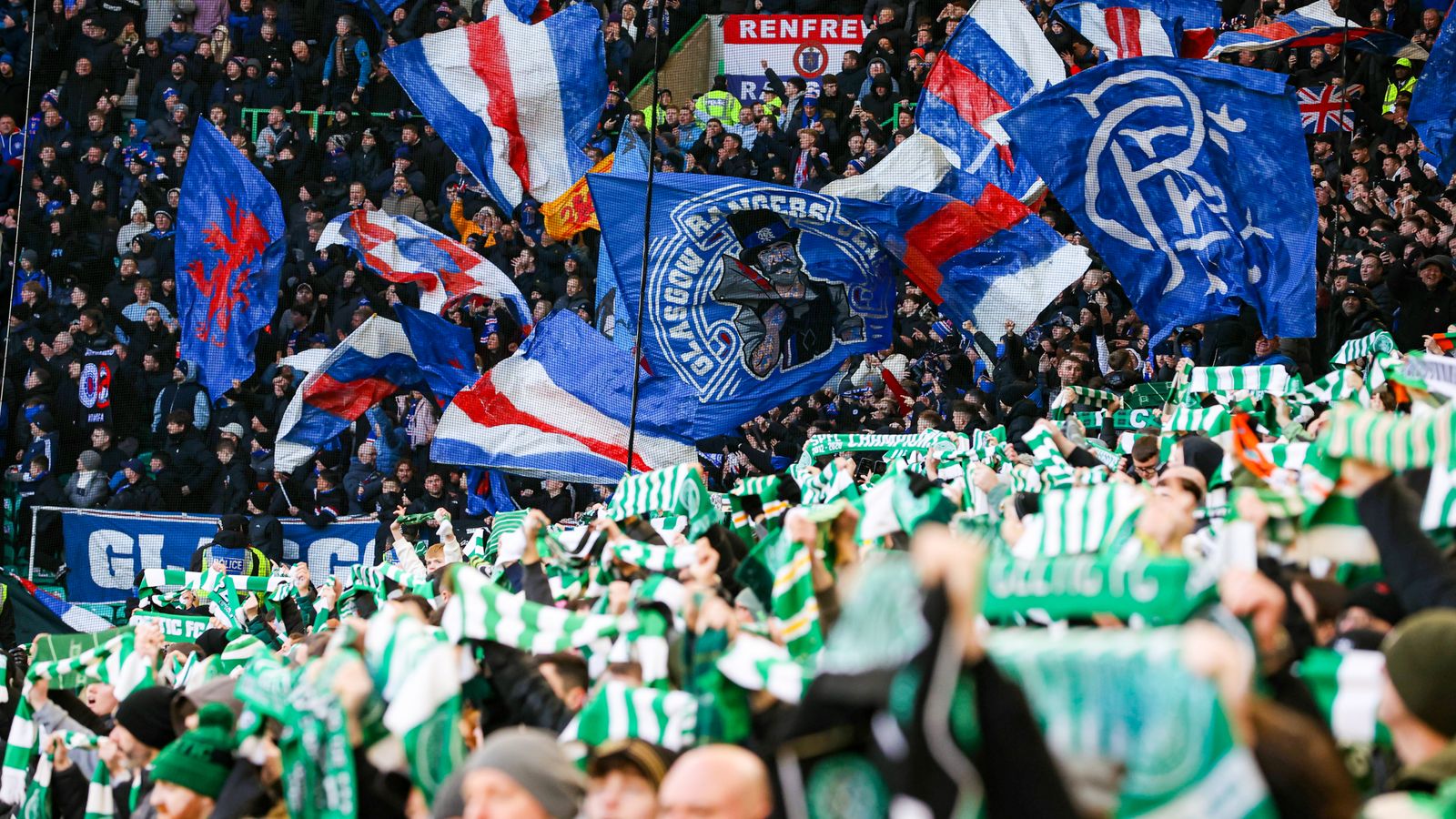
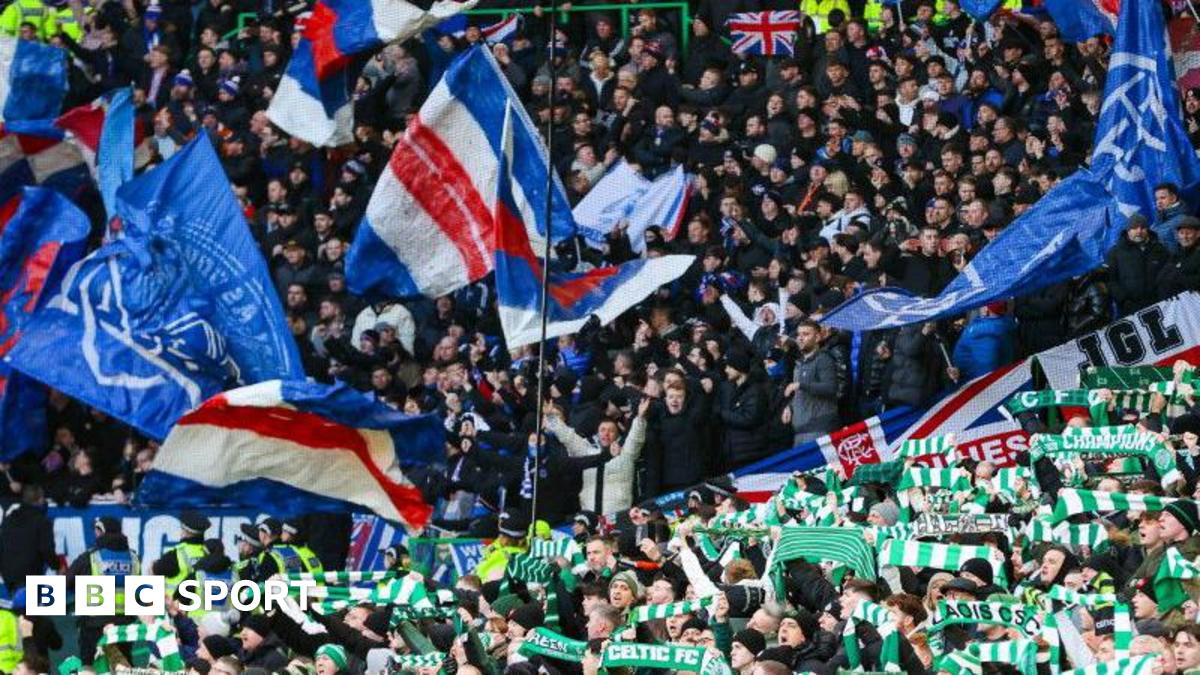
The absolute peak of modern SPFL absurdity is watching the world's most intense derby played in front of completely one-sided crowds. What used to be a vibrant, incredibly toxic, and visually spectacular atmosphere has been entirely neutered by extreme boardroom stubbornness.
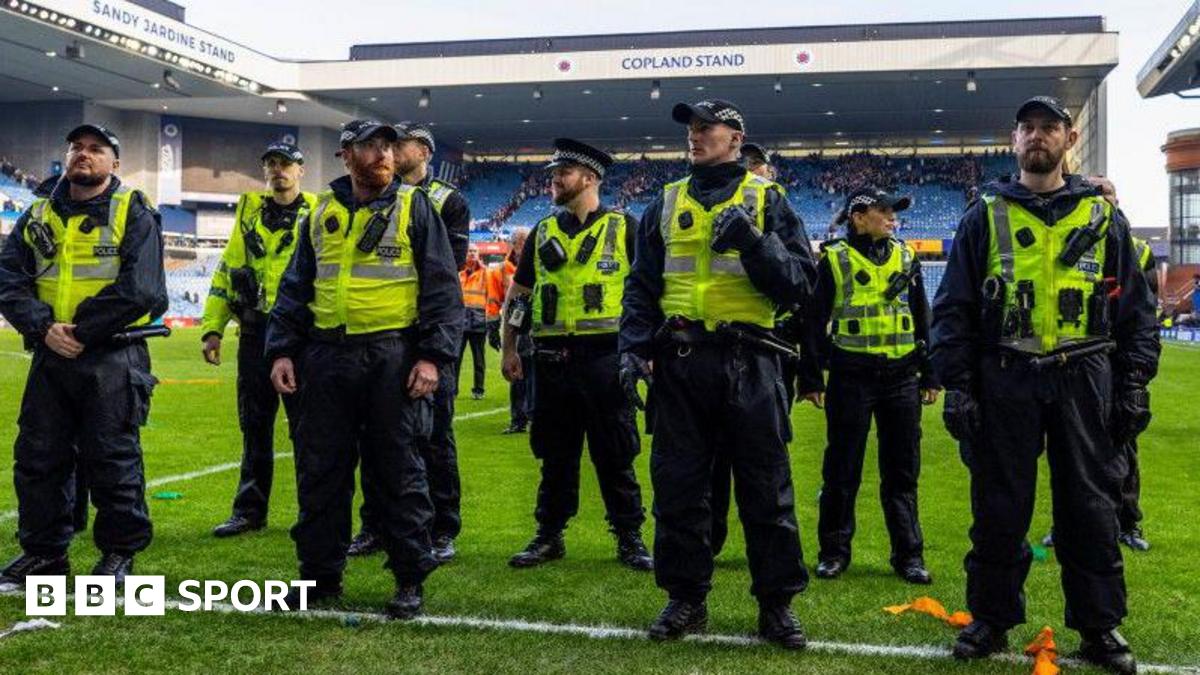
The SPFL will not overrule Celtic in this derby ticket row. That guarantees the final massive clash of the season will once again lack any away supporters to provide pushback from the stands.
The entire rivalry was built on the deafening, hostile noise of two fanbases screaming directly at each other across the divide. By failing to aggressively solve this ticketing dispute, the league is actively damaging the television product and the inherent value of its most marketable fixture.
Honorable Mentions
League Cup Group Stages — Starting competitive football in the middle of July while players are barely back from the beach remains a baffling scheduling choice.
The Refereeing Standard — The weekly debate over refereeing bias dominates the discourse far more than any actual football analysis.
Read Next
- Real Madrid are playing a dangerous game with the Mourinho rumors
- Aston Villa eye PSG talent as Emery looks to shake up his frontline
- Michael Carrick is walking into a trap against Liverpool
- Spurs fans are reaching the breaking point as De Zerbi fights for his life
- ⚽ Scottish Premiership 2025-26 — Celtic vs Rangers Hub