Gregg Berhalter is playing with fire
We are six days out from the biggest party in American sports history, and if you aren’t nervous, you haven’t been paying attention. The United States has been handed a group stage draw that looks deceptively kind on paper, but the reality is much more jagged. We have been conditioned to expect a certain level of tactical rigidity from this national team. It is frustrating to watch a squad with this much technical talent get bogged down in the same old predictable patterns.
The defensive pivot is the major headline here. We are leaning heavily on a backline that has shown all the stability of a Jenga tower during an earthquake. If you caught the recent friendlies, you saw the same gaps in transition that have plagued this group since the Qatar cycle. You cannot survive a World Cup group by hoping your opponents miss their chances. Eventually, a clinical finisher finds the back of the net.
Tactical stagnation is the silent killer
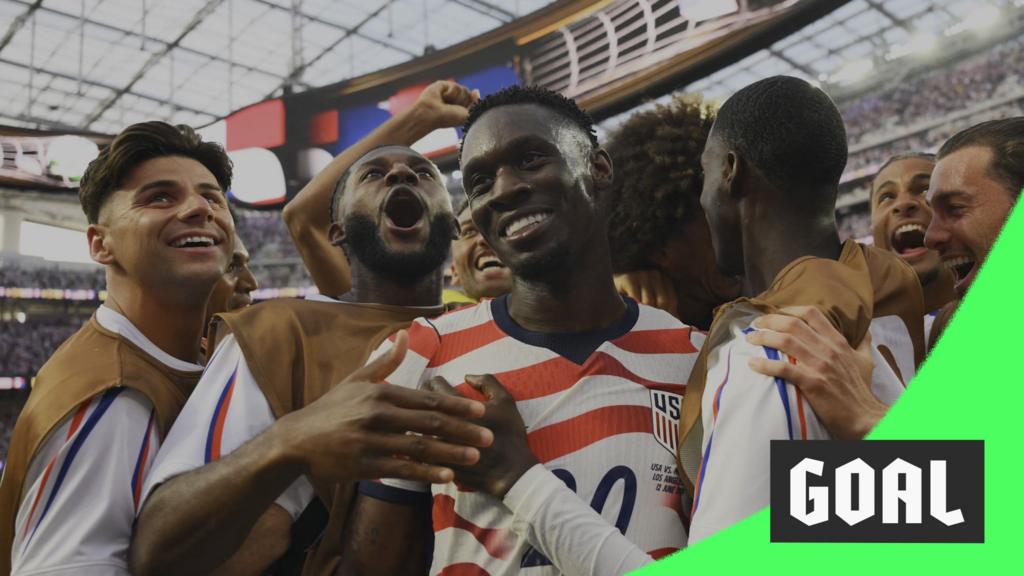
Everyone is obsessed with the attacking trident of Christian Pulisic, Folarin Balogun, and Timothy Weah. They are electric, sure. But when the ball turns over, watch the spacing in the midfield. We are consistently leaving Yunus Musah on an island while the opposition feeds long balls into the channels. It is a tactical setup that assumes we will possess the ball for sixty percent of the game, which is a dangerous fantasy against teams like Japan or even a hungry underdog squad.
We have seen this collapse before. Remember the 2014 defensive breakdown against Belgium or the sheer lack of imagination in the final third during the 2022 knockout round? The current roster has more raw athleticism, but the decision-making remains suspect. If the middle of the park becomes a sieve in the 88th minute, no amount of crowd noise at SoFi Stadium is going to save us.
The group stage roadmap is deceptive
Predictions for the road ahead
We start with a must-win opener that feels like a trap. The narrative that we have an easy path is pure fantasy manufactured by people who haven't watched international football outside of major tournament cycles. If we come out flat, the local media will turn faster than a heel in a wrestling ring. We need points, and we need them early before the pressure starts weighing on the younger veterans.
The second game is where the squad rotation will prove if the depth chart is actually viable. We cannot rely on the starters for every single minute of the group phase. If the bench players don't show up with the same intensity, our total points won't be enough to secure a favorable seed. It is the same story we saw when the Butcher and the Blade exited AEW—sometimes you have to accept that the old guard isn't ready to carry the load anymore, yet we refuse to find better replacements.
Final prediction? We stumble through the group with 5 points, but it won't be clean. We are going to allow soft goals against teams we should be dominating. The talent is there, but the discipline is lacking. Unless someone steps up to organize that midfield, we are staring down the barrel of a round-of-16 exit that will be talked about for years. Just ask anyone who watched the recent ROH disaster; sometimes, winning isn't enough to prove you're actually relevant in the conversation.
This isn't about hope anymore. This is about professional execution. If we can't tighten the screws before the first whistle, the tournament will be a home-soil disaster. The fans want fireworks, but right now, the squad looks like they are still trying to figure out how to light the fuse.