Measuring the defensive vacuum at Spurs
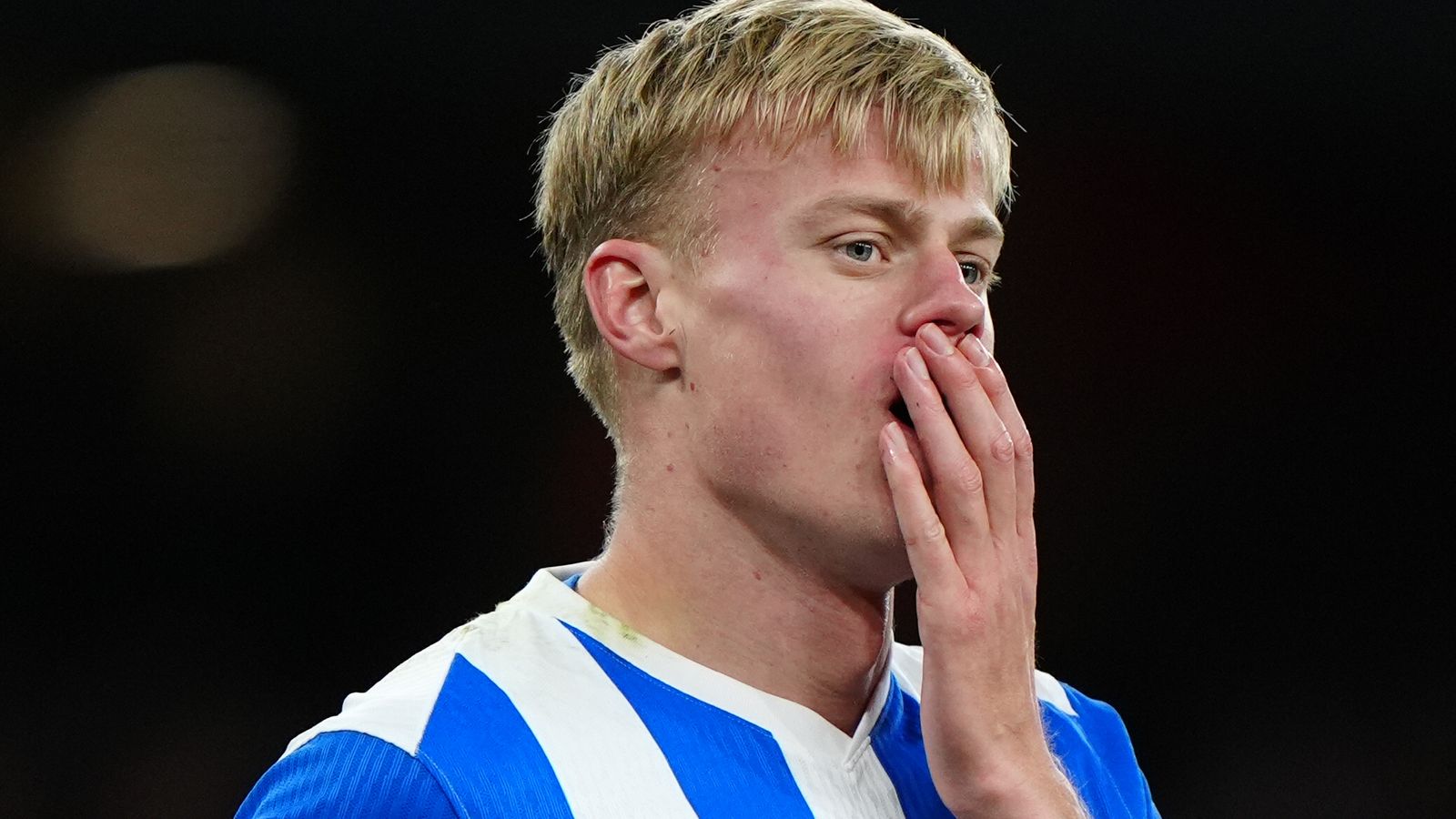
Ange Postecoglou finished the 2025/26 campaign with a distinct defensive problem that no amount of attacking fluidity could mask. Tottenham conceded goals at a rate that suggested their high line was less a tactical choice and more a structural accident. By securing Jan Paul van Hecke for a 52m pound fee, the front office is finally prioritizing recovery pace over pure ball progression.
The numbers behind the breakdown
Throughout the previous season, Tottenham’s defensive line suffered from a lack of recovery speed when opponents bypassed the initial press. Data analysts noted a 22 percent increase in high-quality chances conceded via long balls over the top compared to the 2024/25 period. This specific metric exposes the danger of leaving center-backs isolated in open space for 60-yard transition sequences.
Van Hecke brings a different profile to the North London setup. At Brighton, he excelled in 1v1 defensive duels, winning 68 percent of his ground challenges during the last campaign. This matches the defensive work rate needed to survive a system that frequently leaves its rear guard exposed. As Sky Sports reported, the financial commitment reflects a need for immediate reliability rather than a long-term development project.
Why the gamble might fail
While the numbers provide a compelling case for his defensive floor, the transition to Postecoglou’s system remains risky. Van Hecke thrived in a more rigid, disciplined structure at the Amex Stadium that prioritized positional preservation over constant, chaotic high-pressing. Spurs players are expected to initiate build-up play deep in the opponent's half, often drifting into unconventional vertical channels.
If the Dutch defender cannot adapt to the sheer amount of space he will manage behind the midfield, these optics will shift quickly from a smart purchase to a costly error. Success will be determined by his ability to maintain a high defensive line without sacrificing the recovery speed he showed in Hove. The 52m pound price tag places him in the tier of elite defenders, leaving no room for a grace period.
Ultimately, Tottenham needed a player who could sprint back just as effectively as the midfielders press forward. If the 2026/27 season metrics reflect a drop in long-ball concessions, the investment will be validated. If the gap remains, the internal debate regarding the sustainability of the high line will only intensify.