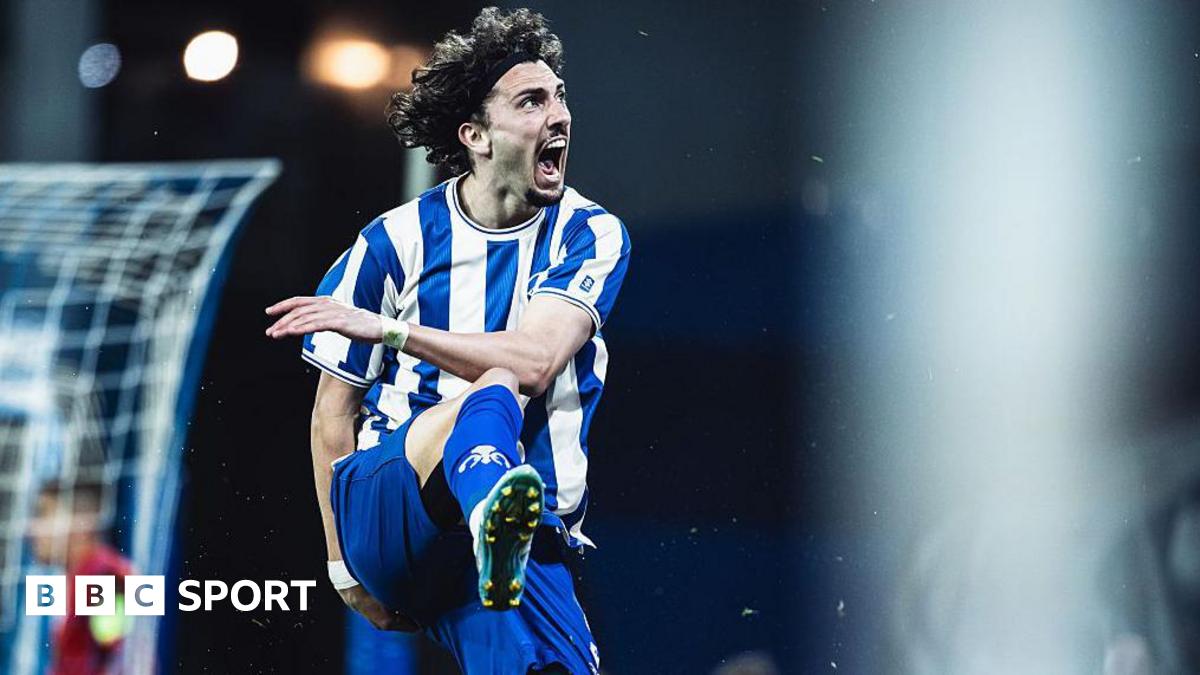
The Bundesliga recruit adds depth
Wolfsburg have officially confirmed the signing of Scottish striker Fraser Hornby from Darmstadt 98. The move, announced today, highlights manager Ralph Hasenhüttl’s intent to bolster his attacking ranks before the squad heads into preseason. Hornby moves on an undisclosed fee, leaving the 2. Bundesliga side after a stint that saw him battle for consistent minutes.
This is a Tier 1 move in terms of confirmation status, as the clubs have already finalized the deal. Hornby arrives in Lower Saxony following Darmstadt's relegation battle. He is a target-man profile, standing at over six feet tall, which offers a different tactical outlet for a side that often relies on transition play. Wolfsburg needed a presence to act as a pivot point for their wide attackers.
Tactically, the fit is intriguing. Wolfsburg often play a high-intensity pressing game, and Hornby must prove he can handle the elevated defensive responsibilities required by Hasenhüttl. His transition from the second tier to the Bundesliga is the primary concern for pundits, as the jump in speed of play is punishing for players lacking mobility. If he cannot adapt to the verticality demanded, he will struggle to secure a starting role.
The financial side of the deal remains shielded, but insider reports suggest a modest package typical for a player of his standing. It is a low-risk, high-reward move intended to provide competition rather than an immediate superstar injection of talent. Given the current depth chart, he will likely serve as a bench option behind Jonas Wind.
The probability of this deal succeeding long-term sits at moderate. While Hornby brings a directness that Wolfsburg previously lacked in short-handed situations, the league is unforgiving. Players coming from lower-tier clubs in Germany often find the tactical discipline at the top level to be the biggest hurdle. His performance during the training camp this July will determine whether he is a starter or a rotational piece.
Concerns remain regarding his injury history and overall consistency. Having moved around several clubs early in his career, finding a rhythm in a top-five European league is the ultimate test. Wolfsburg’s scouting network will be under pressure if this signing mirror the struggles they faced in 2024, where recruitment failed to address the gap left by departing creative outlets. As BBC Sport confirmed today, the deal is signed and sealed.
Tactical reality and the path forward
Wolfsburg’s strategy for the summer is clearly focused on efficiency. With the 2026 World Cup just 10 days away, the staff wants the heavy lifting of the transfer window done before the calendar shifts to mid-June. Adding Hornby ensures he can integrate before the squad disperses for national team duties. It is a sensible, if unglamorous, bit of business.
Critics point to the lack of a high-ceiling signing as a sign of stagnating ambition at the Volkswagen Arena. While the club navigates financial fair play constraints that forced the departure of other key assets, relying on low-profile recruits does little to appease the fanbase. The pressure on Hasenhüttl to stabilize the team's European ambitions is significant.
The expected impact of this signing is measured. If Hornby provides 5 to 8 goals across all competitions as a backup, the recruitment team will define this as a success. However, if he fails to contribute meaningful minutes during the busy stretch in September, he will likely be loaned out or sold by 2027. He has the frame to compete with physical defenders, but his technical output must improve.
Ultimately, this transfer represents a gamble on development. The Bundesliga requires refined movement in the final third, an area of the game where the Scotsman has historically shown raw potential but lacked polish. The coaching staff now has the task of refining those rough edges before the league opener in August.
The arrival coincides with the club reevaluating their long-term project. As discussed in the recent breakdown regarding the Wolfsburg squad dynamics, the margin for error is razor-thin. For a player like Hornby, this is the biggest stage of his professional life. He is entering a system that does not brook passengers, and the competition within the squad is fierce.
Ultimately, the move follows a growing trend of German clubs scouting internal talent rather than buying from abroad to save on currency fluctuations and adaptation time. Whether Hornby can replicate his form in a more efficient system is the defining question. He has the toolkit, but he must now execute.
Read Next
- Chelsea aren't just signing a defender, they’re buying a wrecking ball
- Rafael Leão is playing a dangerous game with his Milan future
- Real Madrid eye Premier League stars as Arsenal recalibrate their midfield
- Chelsea prepare surprise move for relegated breakout star
- ⚽ Bundesliga 2025-26 — Title Race Hub