The Richest Game Halts for the Ugliest of Reasons
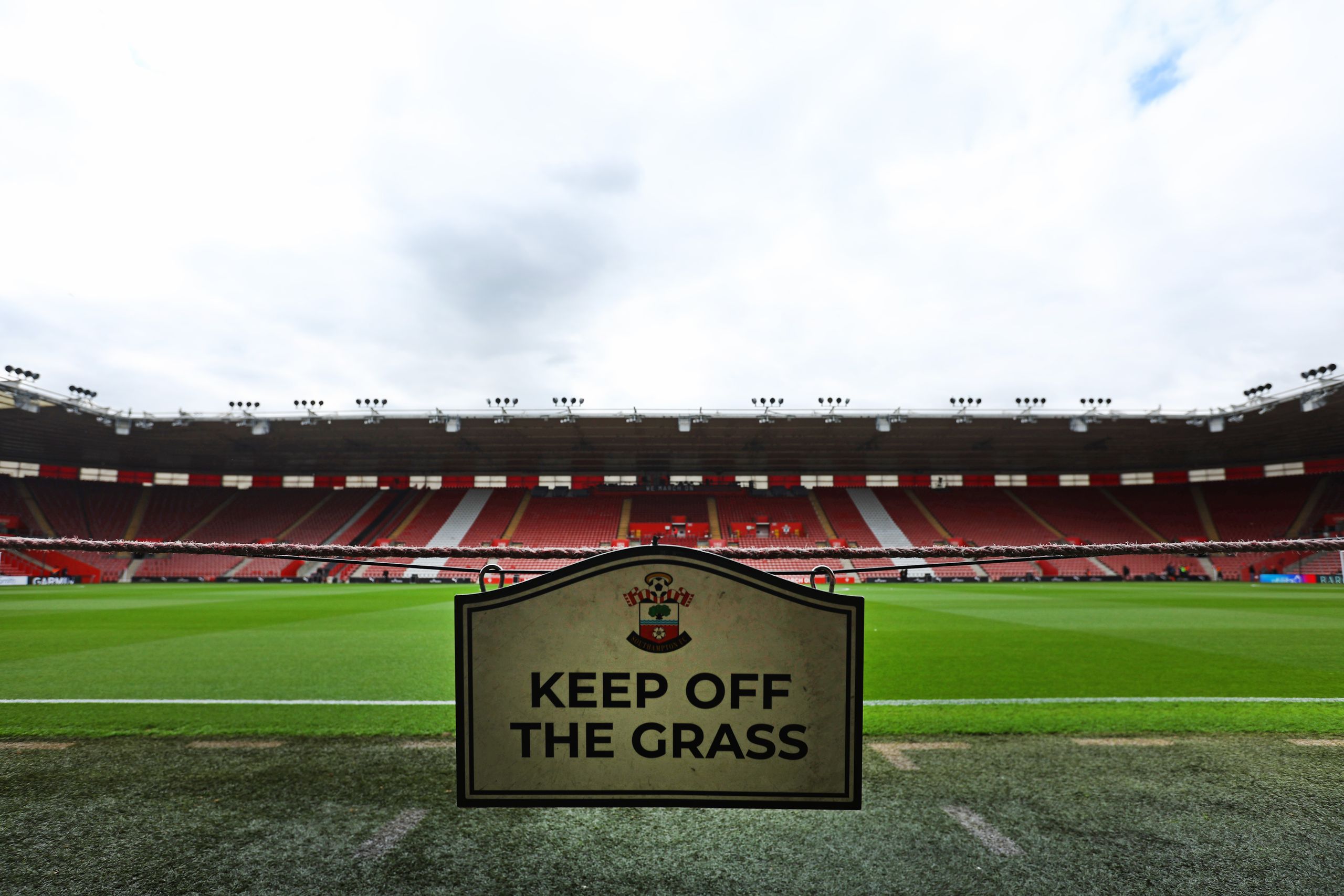
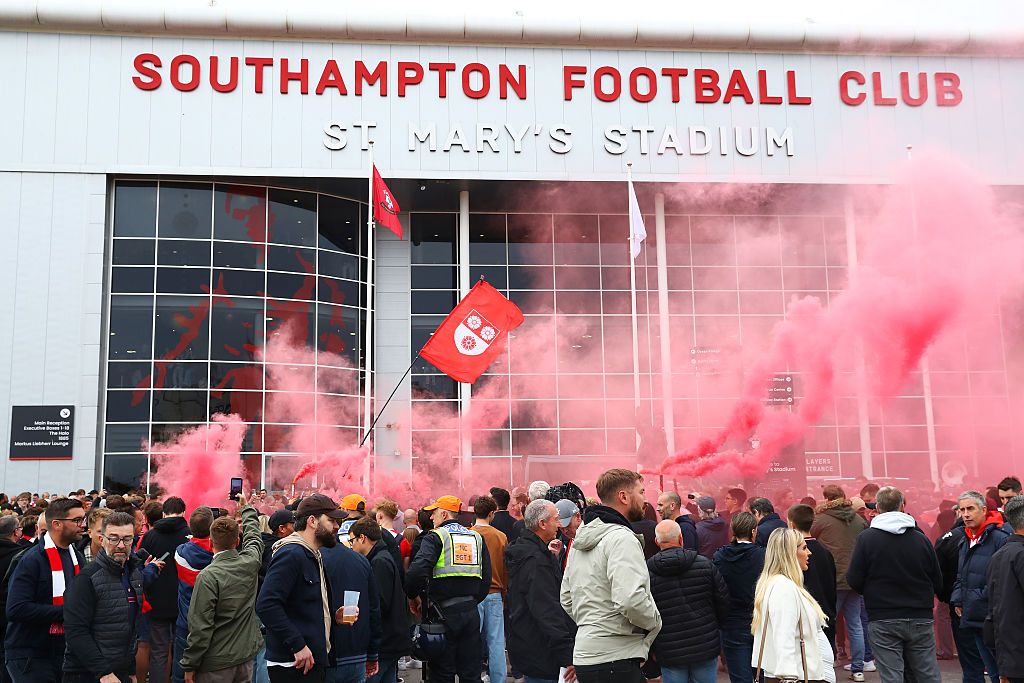
The air at St Mary's was thick with hope, desperation, and the unique tension only a Championship play-off semi-final can generate. This is the gateway to the Premier League, the entry point to a world of unimaginable riches. For Southampton and Middlesbrough, every pass, every tackle, every decision carries the weight of a club's future. It is, by every measure, a monumental occasion.
And then, it stopped. Not for an injury, not for a VAR check on a penalty. The game was brought to a jarring halt over an allegation of 'discriminatory remarks' on Tuesday evening, as reported by The Mirror. The sight of the referee pausing the contest to consult with the players and fourth official sent a chill through the stadium that had nothing to do with the weather. The noise of anticipation was replaced by a murmur of confusion and then a grim, collective understanding. Football, in that moment, ceased to matter.
An Accusation That Changes Everything
This was not a vague complaint shouted from the stands. The allegation reportedly came from one player against another on the pitch. Making matters infinitely more complex and explosive, the accused is described as an 'England star'. That detail elevates this from a serious club issue to a national footballing incident. The FA will now inevitably launch a full investigation. The news cycle will be ferocious. The player's name, once it breaks, will be front-page news for all the wrong reasons.
In one sense, the protocol worked. A player felt empowered enough to make a report, and the officials followed the procedure to stop the game. This is the system designed to combat the poison of discrimination in the sport. Yet, it is also a damning indictment of the game's health that we are here again.
Herein lies the uncomfortable truth: the protocol, while necessary, is a reactive measure that places an immense burden on the victim. The process of stopping a game, giving statements, and becoming the centre of an investigation is its own form of trauma. It solves the immediate crisis on the pitch but does little to address the root cause, serving as a grim, recurring reminder of the ugliness that still persists within the lines.
The Tactical Blueprint Goes Out the Window
Days before this match, you can be certain that Russell Martin and Michael Carrick were absorbed in the tactical minutiae. Martin's Southampton side, with their unwavering commitment to a high defensive line and intricate possession play, would have been drilled to suffocate Middlesbrough's midfield. Carrick, a master of composure and structure, would have identified the precise triggers for his team to press and the spaces to exploit on the counter-attack. It was poised to be a fascinating chess match between two of the Championship's most thoughtful managers.
All of that is now in the bin. The tactical game plan is utterly irrelevant. How does a manager conduct a halftime team talk about defensive shape when his dressing room is reeling from an accusation of this magnitude? One room is a fortress of anger and solidarity; the other is a vortex of confusion, denial, and distraction. The focus required to execute a complex game plan at this level has evaporated.
The very rhythm of the tie is broken. Play was halted. The players left the field under a cloud of animosity and suspicion. Whatever the score was, it is no longer the most important factor. The sporting integrity of the contest has been irrevocably compromised.
Previewing a Tie Now Drenched in Toxicity
Attention now turns to the second leg at the Riverside. It will not be a football match in the conventional sense. It will be an ordeal. The atmosphere, already guaranteed to be intense, will now be loaded with a visceral toxicity. Every tackle will be interpreted as a response to the allegation. The accused player, should he feature, will be the subject of unrelenting hostility. The player who made the allegation will be targeted with equal venom.
The key decision now rests with Russell Martin and the Southampton hierarchy: do you play the accused 'England star'? It's an impossible choice with no right answer. Playing him is an act of defiance, a statement that the club backs its player until proven otherwise. But it's also inflammatory, a red rag to a bull in a stadium that will need no extra encouragement. Benching him could be seen as a tacit admission of guilt, effectively punishing a player before any due process has even begun. It's a decision that has ramifications far beyond one game of football.
For Carrick's Middlesbrough, the challenge is different. Can they harness the raw emotion of their home crowd and a burning sense of injustice into a controlled, winning performance? Or will the sheer chaos of the narrative prove to be as much of a distraction for them as it is for their opponents?
Prediction: The Sporting Winner is Already Decided
In a contest of this nature, the winner is not always the team with the better players or the superior tactics. When a tie is ripped from the back pages and thrown onto the front, victory often goes to the side best equipped to handle the chaos. And chaos is now the defining feature of this semi-final.
Southampton's entire philosophy under Martin is built on clarity, control, and relentless positional discipline. It is a system that demands absolute focus from all eleven players. That focus is now shattered. The pressure of the accusation, the media storm, and the impending hostile reception at the Riverside is a burden too heavy for such a precise system to bear.
Middlesbrough, by contrast, will be fueled by a singular, powerful emotion: righteous anger. Rightly or wrongly, their fans and players will feel aggrieved. The Riverside will become a cauldron, and that raw, unifying energy is a far more potent weapon in these circumstances than any tactical formation. The football is now a secondary concern. This is a test of mentality, and Southampton's has been poisoned at the source.
Prediction: Middlesbrough to advance.
Read Next
- Southampton's bush-wacking stunt is turning the Championship into a circus
- Southampton’s playoff future is dangling by a thread over a bush
- Southampton and Boro just turned the Championship into a wrestling ring
- Southampton are playing with fire in the shadow of SpyGate 2.0
- 🏟 EFL Championship 2025-26 — Promotion Race & Play-Off Final Hub