The Big Picture
Football's obsession with demonic iconography is not a mere marketing gimmick. From rain-soaked northern English terraces to intense Buenos Aires cauldrons, clubs embrace the "devil" moniker to project intimidation, defiance, and relentless competitive energy. This is a cold, hard ranking of the ten most influential entities, teams, and transfer decisions linked to the devil in football.
We weigh historical trophies, fan culture impact, and recent administrative blunders to separate the elite from the pretenders. Prepare for debate, because some of these choices highlight systemic flaws in modern club management.
10. Crawley Town: The League One Red Devils
Crawley Town might operate in the lower tiers of English football, but their identity as the Red Devils remains vital. Playing at the Broadfield Stadium, this small club fights under a heavy shadow cast by their massive namesakes in Manchester. Yet, they have carved out their own distinct niche in West Sussex, proving that a demonic branding can thrive without a massive budget.
Their recent campaigns in League One demonstrate how smaller teams use an aggressive identity to punch above their weight. While they lack global commercial pull, Crawley represents the grit of lower-league football. The devil logo on their crest is a badge of survival in a harsh financial climate.
9. South Korea's Red Devils: The 12th Man
Formed in 1995, the official supporters' group for the South Korean national football team redefined fan culture during the 2002 World Cup. They turned entire cities into seas of red, creating a highly coordinated, deafening wall of sound that pushed their team to a historic semi-final. Their branding is not about malice, but about representing an unstoppable collective force.
Unlike corporate-driven fan clubs, this group remains fiercely independent. They prove that the devil moniker can stand for national pride and sportsmanship rather than pure hostility. Their impact is still felt in every home qualifier at the Seoul World Cup Stadium.
8. Paddy McNair's Hull City: The Premier League Return
Hull City secured their ticket back to the top flight yesterday, May 23, 2026, after an intense play-off final victory over Middlesbrough at Wembley. This promotion sets up a fascinating reunion for former Old Trafford academy graduate Paddy McNair, who will face his former club next season. As Mirror Football reported, this marks a career milestone for a player once highly touted by Louis van Gaal.
McNair's resurgence with Hull City shows that there is life after leaving the Theatre of Dreams. Next season's fixtures against Manchester United will be a personal litmus test for the versatile defender.
7. Toluca FC: Los Diablos Rojos of Liga MX
Deportivo Toluca Football Club boasts one of the most intimidating environments in Mexican football, playing at the Nemesio Diez stadium, famously nicknamed "La Bombonera." Their identity as the Red Devils is deeply integrated into the club's high-altitude home advantage. Opponents dread traveling to Toluca, where the altitude combined with a hostile, red-clad crowd creates a literal hell.
With ten Liga MX titles, Toluca is historically one of Mexico's most successful clubs. Their aggressive style of play matching their nickname has defined their golden eras. They remain a constant threat in the domestic league, proving their devilish branding is backed by trophies.
6. FC Kaiserslautern: Die Roten Teufel of German Football
FC Kaiserslautern represents one of the most passionate fanbases in Germany, playing at the Fritz-Walter-Stadion atop the Betzenberg. Known as the Red Devils, they made history in 1998 by winning the Bundesliga title immediately after promotion. This legendary feat remains unmatched in modern German football history.
However, years of financial mismanagement dragged the club down to the third tier. Their slow rebuild back to the 2. Bundesliga shows the resilience of their supporters. The Red Devils of the Betzenberg are still fighting to reclaim their spot in the top flight.
5. Independiente: Los Diablos Rojos of Avellaneda
Independiente is the undisputed king of South American club football, holding a record seven Copa Libertadores trophies. The Argentine giants earned their "Red Devils" nickname through their ruthless, high-tempo attacking football in the 1960s and 70s. Their home stadium, the Libertadores de America, is a legendary fortress where many continental giants have seen their dreams die.
Despite their glorious past, the club has struggled with massive debts and institutional instability over the last decade. This decline is a tragedy for South American football, showing how poor board decisions can ruin even the most historic institutions. Yet, their rich legacy ensures they remain high on this list.
4. The Scott McTominay Sale: A Red Devil Allowed to Leave
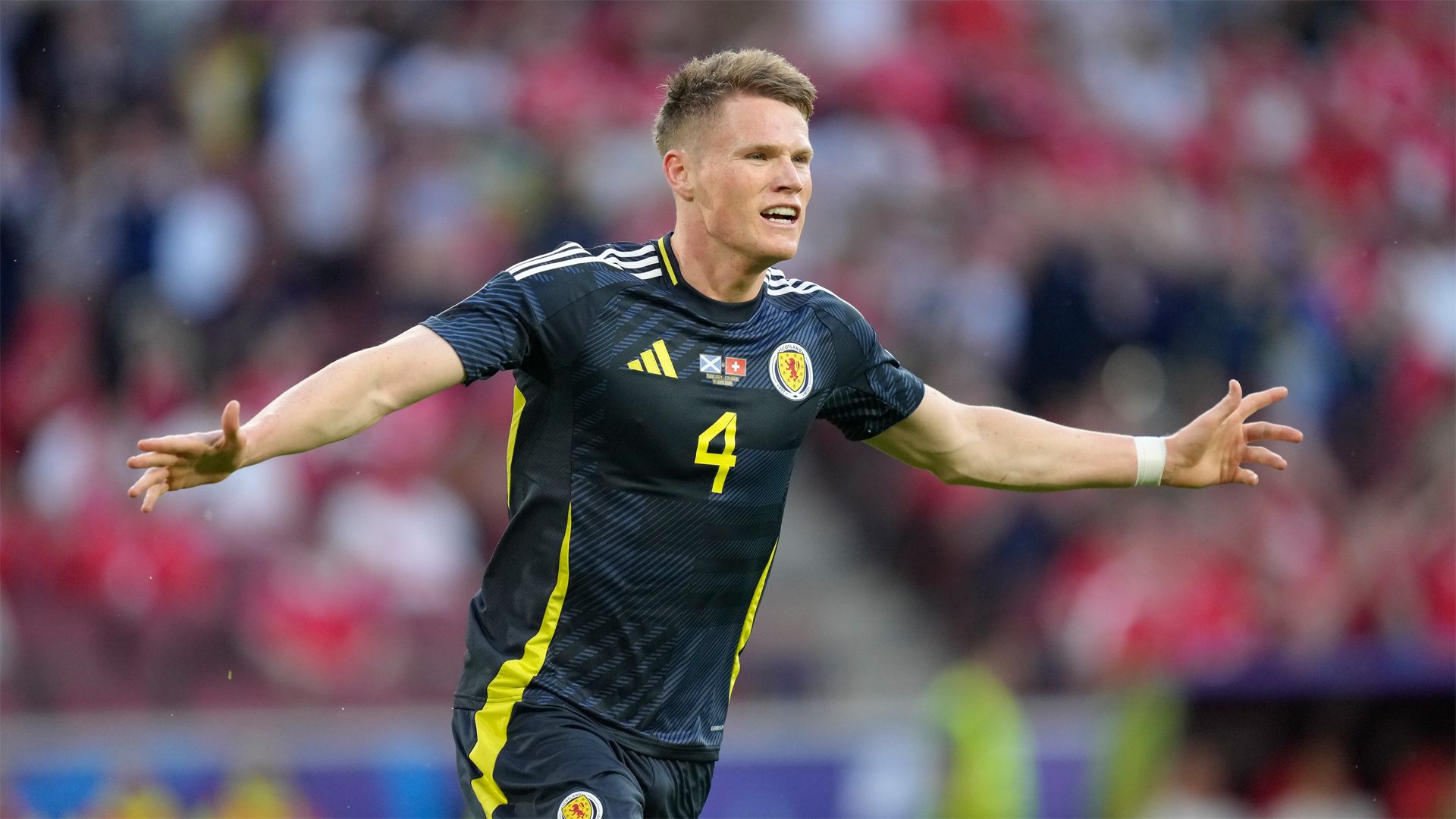
Manchester United’s decision to sell Scott McTominay remains a highly debated topic among tactical analysts. The energetic midfielder was often the heartbeat of the squad during chaotic periods, scoring ten goals in his final full season at the club. In a recent FourFourTwo interview, Gary McAllister voiced the frustration of many observers who questioned the sporting logic of the transfer.
Every time I saw Manchester United play, Scott McTominay stood out. I was surprised they allowed him to go.
Selling a homegrown player to balance PSR sheets reflects the cold, corporate reality of modern football administration. United lost a reliable goal threat and a leader in the dressing room. This transfer decision continues to look like a short-sighted mistake as the midfield struggles for defensive solidity.
3. Belgium's Red Devils: The Golden Generation's Failure
Belgium's national team took the "Red Devils" nickname to the top of the FIFA world rankings, yet they will always be remembered for what they failed to achieve. Boasting world-class talents like Eden Hazard, Kevin De Bruyne, and Romelu Lukaku, this squad should have claimed silverware. Instead, their best finish was a third-place medal at the 2018 World Cup in Russia.
The tactical rigidity of Roberto Martinez and subsequent squad discord derailed their tournament campaigns. As the golden generation ages out, Belgium faces a difficult transition period with younger, unproven players. They represent the ultimate footballing paradox: the most talented devils who could never close the deal.
2. AC Milan: Il Diavolo of European Football
AC Milan founder Herbert Kilpin famously declared in 1899 that his team would be "red like fire and black like the fear we will inspire in our opponents." This established "Il Diavolo" as the core identity of the seven-time European champions. The red and black stripes of Milan are recognized worldwide as a symbol of tactical sophistication.
From defensive masterclasses to the modern brilliance of Rafael Leao, Milan has consistently maintained a premium status in European football. While they went through a dark decade in the 2010s, their Scudetto win in 2022 signaled a return to relevance. They represent the absolute pinnacle of footballing style under a devilish banner.
1. Manchester United: The Global Red Devils Brand
No club in the world has commodified and popularized the "Red Devils" nickname quite like Manchester United. Originally adopted by Sir Matt Busby in the 1960s to replace the "Busby Babes" moniker, the identity was designed to sound intimidating. It quickly became a marketing juggernaut, plastering the devil crest onto millions of shirts sold worldwide.
Under the new INEOS sporting management led by Sir Jim Ratcliffe, the club is attempting to rebuild its tarnished footballing operation. The commercial success of the Red Devils has long masked their severe failures on the pitch since Sir Alex Ferguson retired. They claim the top spot because their brand of devils is the most recognizable and scrutinized entity in global sport.
Honorable Mentions
Several other footballing entities carry the devil's name with pride but just missed the top ten. These clubs continue to keep the demonic footballing tradition alive across different leagues.
- Al Ahly SC: The Egyptian giants, known as the Red Devils of Africa, dominate CAF competitions but lack global media presence.
- Manchester United Women: A rapidly growing force in the WSL, carrying the same historic branding and building their own legacy.
- FC Toluca Feminil: Bringing the high-altitude pressure of "La Bombonera" to the Mexican women's league with style.