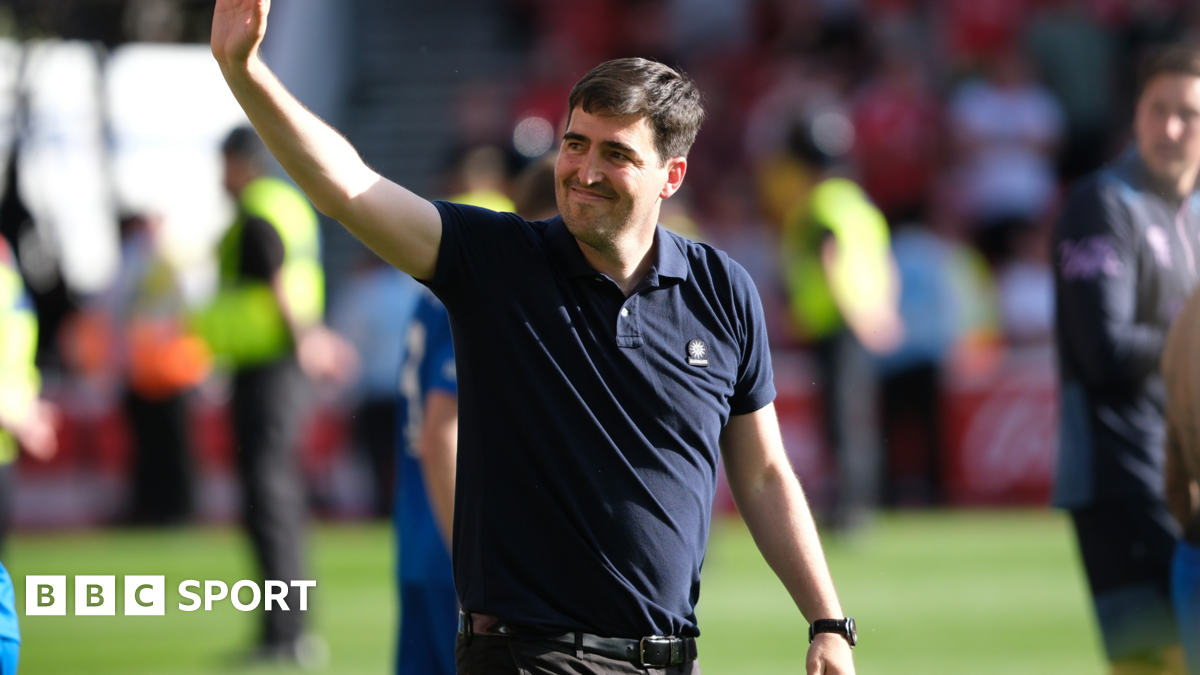
The transition from Bournemouth to Anfield
Andoni Iraola arrived in the Premier League with a distinct reputation for high-octane pressing. His time at Bournemouth has been defined by front-foot intensity, often pushing defensive lines higher than the personnel should arguably permit. Facing Liverpool at Anfield, however, shifts the variables significantly. This is not just a game against a top-four side; it is a stress test for a system that prides itself on suffocating the opposition in the middle third.
The data from Bournemouth's recent outings reveals a pattern of high turnovers. They thrive when opponents dally on the ball during the transition from defense to midfield. Yet, Liverpool under their current configuration has become remarkably adept at bypassing the প্রথম press. If Iraola decides to stick to his standard man-marking structure across the pitch, he is inviting the exact type of verticality that causes his fullbacks to get caught out of position.
Tactical vulnerabilities in the Iraola setup
The manager spoke recently about his anticipation for the fixture, noting that his side is preparing for a special club. While the sentiment is standard, the tactical reality is far more cold. Bournemouth has a concerning habit of conceding high-value chances between their center-backs and the defensive pivot when the ball-side winger tucks in too early. Against Liverpool's runners in the half-spaces, that gap is an open invitation for a clinical finish.
We have seen this specific flaw exploited by teams with better ball progression metrics. In matches where the opponent successfully stretched the pitch horizontally, Bournemouth's shape elongated, leaving their defensive midfielders isolated. If they attempt to maintain their 40% average possession away from home while playing a high line, the result will likely be a blowout. Iraola needs a defensive adjustment that sacrifices some of that aggressive forward pressure for a more compact mid-block.
The math behind an Anfield blowout
Predicting a result at Anfield requires acknowledging the xG disparity. Liverpool consistently generates excess of 2.2 expected goals per 90 minutes at home. Contrast this with Bournemouth, who often struggle to maintain a positive xG difference on the road against top-half opposition, currently sitting at roughly -0.4 xG per 90 in away games against the top six. The numbers do not lie; they simply highlight the mountain Iraola has to climb.
Critics often point to the lack of a traditional defensive screen in Bournemouth's lineup as the primary cause for their defensive lapses. They rely on sheer movement to compensate for technical gaps, which works against lower-tier teams but inevitably fails against the elite. Excluding a game against a side with Liverpool's technical proficiency is a bold, if not reckless, decision. The lack of a plan B in their defensive transition indicates that if the initial press is broken, the back four is essentially left to fend for themselves.
Final assessment
There is little room for nuance when looking at the cold reality of the mismatch. Bournemouth will likely capture an early moment or two through their pure work rate, but as the legs tire after the 60th minute, the space will widen. Liverpool’s ability to maximize their shot volume will take over. Expect a lopsided affair settled by individual quality in the final third.
My prediction stands at 3-1 to the hosts. Iraola’s philosophy is admirable in a vacuum, but against a side of this caliber, it is essentially providing the opposition with the keys to their own defensive kingdom. He is playing an open game in a stadium where the margins are razor-thin, and that rarely ends well for the visitors.