Measuring the heartbeat of a chaotic year
The 2025-26 football season was defined by shifting powers, courtroom dramas, and tactical resets. As the World Cup looms on June 11, we examine the ten moments that reshaped the sport.
10. The Manchester City legal saga moves forward
Manchester City’s long-standing regulatory dispute hit a boiling point this March. The ongoing appeal process regarding their financial charges has hung over the Premier League like a smog. Without a resolution, the integrity of the title race remains a point of intense fan skepticism.
9. Real Madrid presidential elections spiral
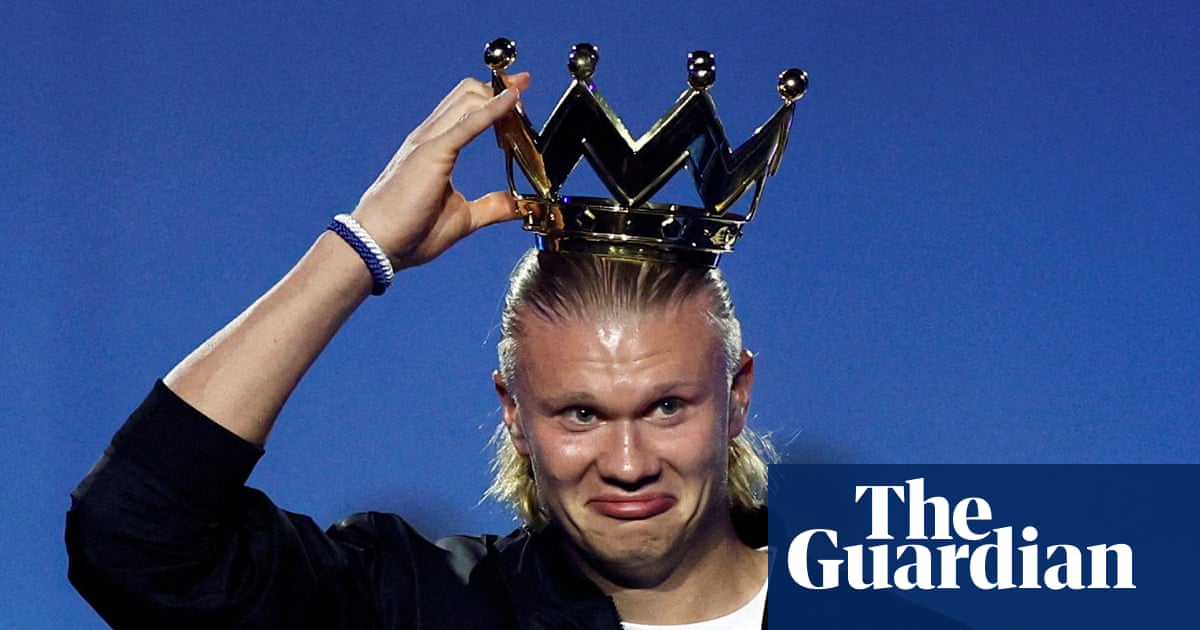
The campaign to lead the Santiago Bernabeu has turned into a farce seven days before the tournament kickoff. Candidate Enrique Riquelme held up a shirt with Erling Haaland’s name, promising a signing that lacks any logical foundation. It represents the worst kind of performative boardroom politics ahead of a global event.
8. Algeria hits form before North America
Algeria delivered a shocking warm-up performance by defeating the Netherlands. The team previously faced questions about their transitional identity, but the tactical shift has finally settled. As reported by the Mirror, their ability to integrate creative talent is now a legitimate threat to group-stage opponents.
7. The mid-season managerial turnover explosion
Elite clubs fired managers at a record pace between November and February. The lack of patience shown by boards has created disjointed squads across Europe. It forced high-end rosters to learn three different systems in a single calendar year.
6. The injury toll on star midfielders
We saw an unprecedented string of ACL tears among the world's elite creative engines. The fixture density has pushed players beyond human limits, resulting in a depleted talent pool for the summer. It makes for a weakened product as the governing bodies refuse to address the schedule.
5. The rise of the tactical 'hybrid' defense
Coaches moved away from traditional back-fours toward fluid structures that morph in possession. This evolution made mid-table teams remarkably harder to break down this past winter. We saw a decline in high-scoring blowouts as a result of this defensive shift.
4. The Champions League format friction
The new format introduced in late 2025 left players and fans exhausted. Clubs were forced to play more matches against higher-quality opposition during the group stage than ever before. While the revenue totals increased, the quality of play in the knockout rounds suffered from sheer fatigue.
3. The North American attendance records
Domestic leagues in the host region saw a 22% increase in ticket sales throughout the lead-up to the World Cup. The infrastructure investments for the tournament have clearly boosted interest in the local game. It serves as a strong foundation for the post-World Cup era.
2. The retirement of a generation
We witnessed several legends announce their international endings this spring, signaling the close of a decade-long era. These veterans chose to step aside rather than participate in a physical toll they could no longer manage. The void left by these leaders will define the early matches of the tournament.
1. The unprecedented transfer restrictions
FIFA implemented stricter spending caps halfway through the season to stabilize league finances. The impact on transfer market activity was immediate, forcing teams to rely on internal academy development rather than outside spending. It was the most influential regulatory change in a decade and arguably the most unpopular with club owners.
Honorable Mentions
The sudden shift in the Ballon d'Or voting criteria failed to gain traction with the public, remaining a points-based disappointment. The failed launch of the global winter showcase in the Middle East also deserves a mention for its poor fan turnout. These moments remind us that the governing bodies are often out of step with the standard spectator.