The end of the Anfield myth
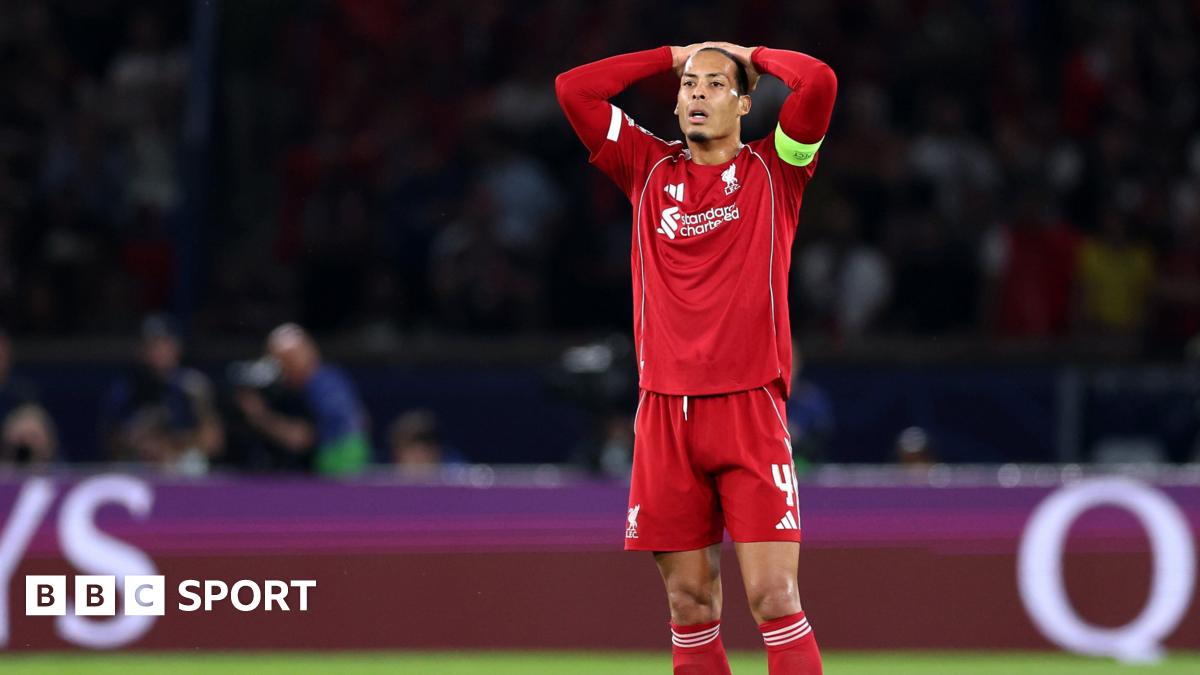
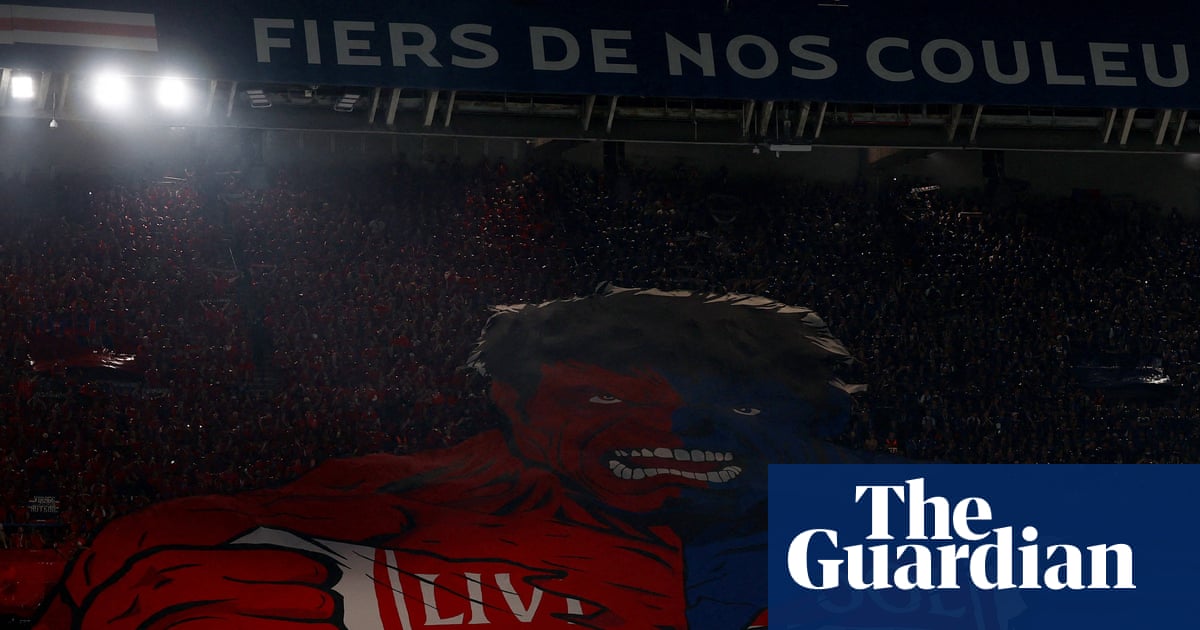
Anfield has long functioned as a factory for improbable European recoveries. History suggests that when the lights dim and the stakes rise, the atmosphere does the heavy lifting. Tonight, the heavy lifting didn't arrive. PSG handled the pressure with a cold efficiency that rendered the famous roar irrelevant.
Jonathan Wilson noted in The Guardian that while history typically dictates belief, this Liverpool side lacked the requisite tools for a repeat performance. The European champions arrived in Merseyside with a clear tactical mandate: quiet the crowd early and control the tempo. They succeeded on both counts.
Tactical silence
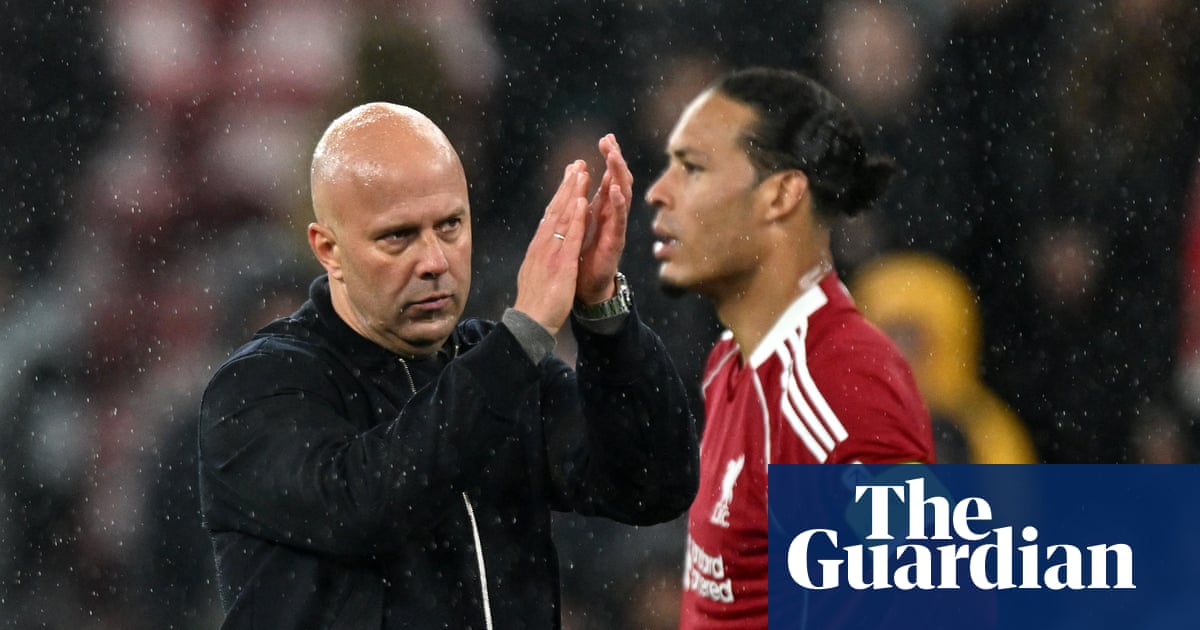
Jurgen Klopp’s successors have leaned heavily on the emotional legacy of the stadium, but legacy doesn't stop transition play. PSG exploited the high defensive line repeatedly. By the time Liverpool realized they needed a shift in approach, the deficit was insurmountable.
The visitors played with a composure that suggested they didn't care about the ghosts of 2005 or 2019. They moved the ball through the midfield channels with robotic precision, rarely allowing the Reds to build the momentum needed to ignite the stands. It was a sterile, professional demolition rather than a chaotic brawl.
Questionable rotations
Critical observations regarding the home side’s bench impact are necessary. Bringing on three defensive-minded players while chasing a multi-goal deficit at home remains a baffling tactical error. It effectively signaled a surrender to the result long before the final whistle blew at the 90th minute.
Often in the past Liverpool has demanded and Anfield has delivered. Past glories perhaps shouldn’t influence the present, but they do; precedent begets belief.
That quote captures the root of the failure. Relying on 'mythos' rather than sound tactical execution is a recipe for this exact kind of disappointment. The crowd stayed engaged for sixty minutes, waiting for that signature pivot, but the spark simply wasn't there.
Why this changes the UCL picture
With PSG advancing into the semi-finals, they have firmly established themselves as the team to beat for the 2026 trophy. They have successfully navigated the most hostile environment on the calendar. That builds a specific kind of mental resilience that will carry over to the semi-final leg on April 28, 2026.
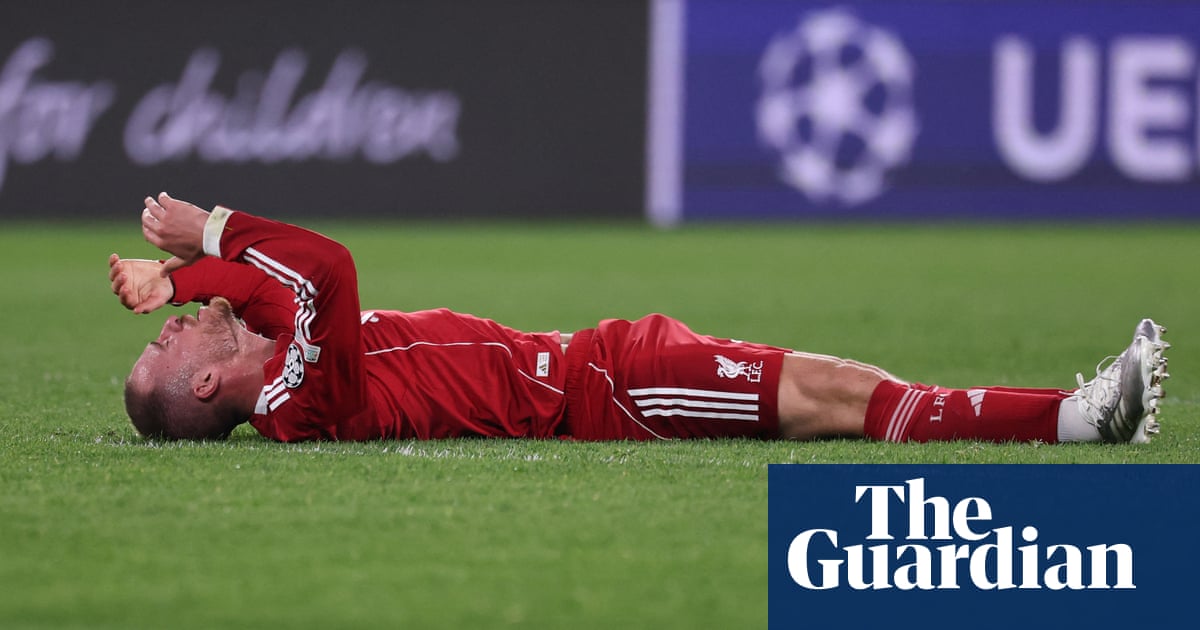
For Liverpool, the focus now pivots immediately to salvage their domestic standing. Remaining competitive in the late-season sprint requires a mental reset. Watching a Champions League exit of this nature—muted, controlled, and distinctly un-dramatic—might actually provide the cold water reality check this squad needs for the final six weeks of the campaign.
The defensive lapses seen in the first half were unforgivable at this stage of the competition. If a manager cannot instruct their back line to manage a simple through-ball in April, then the quarter-final exit is a fair reflection of the squad's readiness to compete for elite silverware.
Tonight, the Anfield mystique wasn't just tested; it was bypassed entirely. PSG treated a cathedral of European football like a neutral venue. That is the true takeaway from this second leg. The aura of the stadium is fading, replaced by a modern reality where talent and discipline outweigh sheer atmospheric noise.
Looking ahead, PSG faces a grueling schedule as Europe enters its business end. Managing rotation while maintaining this defensive intensity will be their next hurdle. If they sustain this level of discipline, the path to the final in late May looks increasingly clear.
Ultimately, this performance highlights the growing gap between sides that rely on their history and those that act as cold, calculated footballing units. Liverpool tried to conjure magic; PSG just played better football. In the context of a high-stakes UCL night, quality always wins. Myth fades, games end, and the structural flaws in Klopp’s remaining heritage become glaringly apparent to anyone willing to look.
Read Next
- Liverpool fans have every right to be screaming about that VAR disaster
- Liverpool’s defensive crisis deepens as injury report creates UCL headaches
- Anfield goes quiet as Liverpool crash out of Europe
- Liverpool’s Champions League exit exposes Arne Slot’s tactical glass ceiling
- ⚽ Ligue 1 2025-26 — PSG, Monaco & the Title Race Hub
- ⭐ UCL 2026 — Champions League Quarter-Finals Hub