Argentina looks elite but Messi's reliance is a ticking clock
The Argentine machine functions, but the engine is aging
Watching Argentina pick apart Algeria at the 2026 World Cup, the disparity in quality was stark by the halftime whistle. While the scoreboard reflects an inevitable dominance, the tactical mechanics reveal a side that operates within a narrow band of risk. Lionel Messi registered a match-defining hat-trick, yet the structural dependency on his creative output remains the defining flaw of this roster.
The opening forty-five minutes saw Algeria attempt to condense the middle third with a rigid 4-5-1 block. It is a classic defensive posture, designed to swallow space and frustrate playmakers. For a sequence of twenty minutes, it held. Argentina’s transition play was pedestrian, relying on sideways circulation from Enzo Fernandez that lacked the incisiveness required to break through a low block.
The Messi dependency is a structural crutch
When the breakthroughs finally arrived, they stemmed from individual brilliance rather than systemic design. Messi’s first goal at the 38th minute punctured the wall, forcing Algeria to widen their defensive shell. This is the predictable outcome of an opponent chasing a game, but the over-reliance on one individual to solve the equation is unsustainable as the tournament progresses to the knockout phase.
Defensive lapses occurred on the other side of the ball, too. Argentina’s high line was caught twice by long balls behind Lisandro Martinez. Had Algeria possessed a more ruthless finishing touch in the final third, the scoreline would have been narrower than the current 3-0 advantage indicated by the second half. This recent coverage confirms that while the attacking stats are gaudy, the transition defense remains porous.
A pattern of short-term planning
This tactical shortcut mirrors the wider issues facing major clubs currently dealing with contract realities. Much like the quiet release clause affecting Marcus Rashford at Old Trafford, the reliance on a veteran superstar to fix deep-seated positional issues is a sign of long-term planning failure. Relying on an aging talisman to bail out a midfield that occasionally turns static under pressure is a gamble that rarely pays off against elite tactical setups.
Argentina’s manager has a difficult task ahead. Balancing the need for ball progression with the necessity of shielding the center-backs is non-negotiable. If they cannot diversify their attack beyond the genius of their captain, the tournament may end abruptly once they encounter a defensive unit willing to hunt in packs. They are currently thriving on momentum, but without a plan B, the reliance on one player will eventually hit a wall.
Read Next
- Argentina got the result but Algeria made them bleed for it
- Argentina vs Algeria: Messi faces a tactical puzzle in opening group game
- Argentina vs Algeria is the bizarre opening Group J fixture nobody predicted
- Lionel Messi knows his sixth World Cup is a different beast
- 🏆 World Cup 2026 — Full Coverage Hub
- 🇦🇷 Argentina World Cup 2026 — Defending Champions Hub
The Mixer: The Story of Premier League Tactics, from Route One to False Nines
The definitive deep-dive into how the Premier League was won.
Frequently Asked Questions
What is the main tactical flaw in Argentina's current squad?
How did Algeria manage to frustrate Argentina early in the match?
What weakness does Argentina’s defense show during transitions?
Why is relying on Messi considered a risky strategy for the tournament?
What does the manager need to improve to advance in the World Cup?
More Coverage
Messi is still the engine room of this Argentina side
an hour agoArgentina got the result but Algeria made them bleed for it
2 hours agoArgentina vs Algeria: Messi faces a tactical puzzle in opening group game
2 hours ago
Australia is walking into a buzzsaw against the USMNT in Seattle
2 hours ago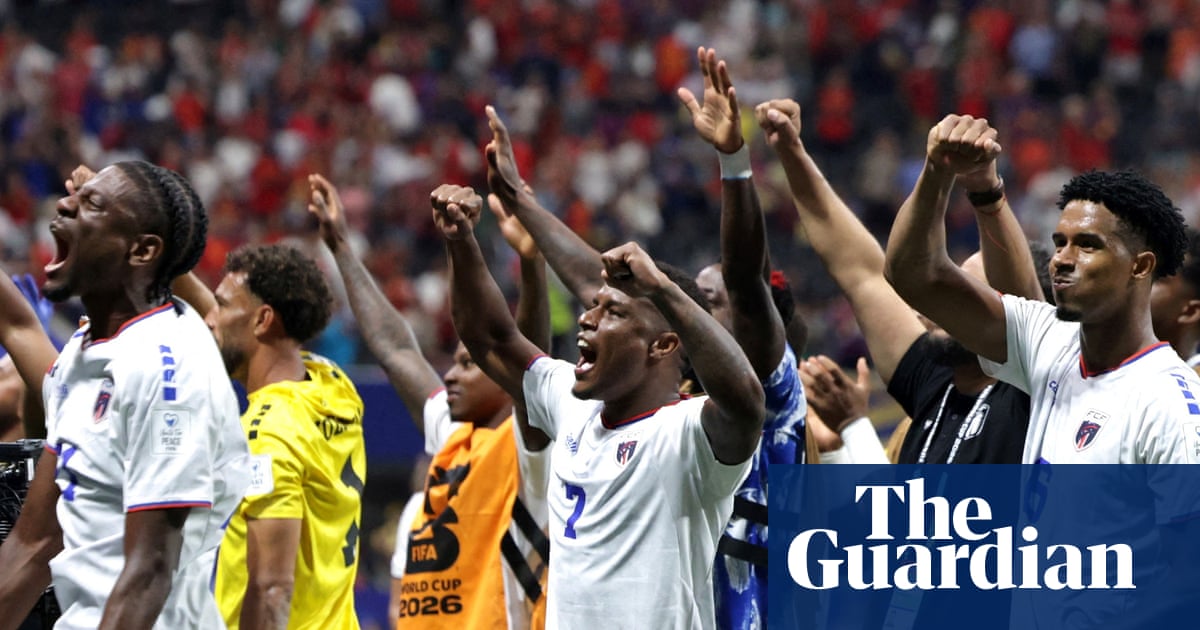
Why Scotland should ignore the hype and embrace the Cape Verde blueprint
4 hours ago
Argentina vs Algeria is the bizarre opening Group J fixture nobody predicted
4 hours agoMore Analysis
Messi is still the engine room of this Argentina side
an hour ago
Cristiano Ronaldo prepares for his sixth World Cup campaign in Houston
an hour ago
Aymen Hussein is attracting European interest after his World Cup display
an hour agoMbappe just reminded the world why France is the team to beat
2 hours ago
Tottenham finalize £52 million deal for Jan Paul van Hecke
2 hours ago