The Medical Reality
Arsenal's summer recruitment plans have hit an immediate medical hurdle. Julian Alvarez, the Atletico Madrid forward who has reportedly picked the Gunners as his next destination, is facing a significant spell on the sidelines after sustaining a high-grade hamstring tear during La Liga action. The injury occurred in the 72nd minute of Atletico's recent outing, forcing the Argentine to leave the pitch in visible distress.
Early scans in Madrid confirm a Grade 2b tear of the biceps femoris. This isn't a simple tweak that clears up with a week of ice and light jogging. Medical staff at Atletico have already briefed the player on a recovery window that stretches into the long-term category. We are looking at a minimum of 8 weeks before he returns to full-speed team training.
Tactical Impact and Roster Depth
For Mikel Arteta, this complicates a transfer strategy that was finally gaining momentum. As Football365 recently reported, Arsenal had accelerated their pursuit after Alvarez expressed his desire to move to London. Now, the Gunners must decide if they are willing to import a player who will spend the first two months of his tenure in the treatment room rather than leading the line at the Emirates.
The tactical void left by a player of Alvarez's profile is immense. He isn't just a traditional number nine; he is a pressing monster who can operate across the entire front three. Without him, Arsenal remain overly reliant on Kai Havertz's aerial presence or Gabriel Jesus's erratic finishing. The drop-off in clinical output is a legitimate concern for a team that lost the title by the thinnest of margins last season.
Historical Context and Risks
Alvarez has generally been durable throughout his time at Manchester City and Atletico, but the intensity of his playing style puts immense strain on his lower body. Hamstring issues of this severity have a nasty habit of recurring if the explosive acceleration isn't managed correctly during rehabilitation. Similar injuries derailed the early momentum of players like Pedro Neto, where rushing back led to secondary compensations.
There is also the financial risk to consider. With a reported valuation north of €80m, Arsenal are being asked to pay premium prices for damaged goods. While the player remains keen on the project, the Gunners' medical team will likely demand a triple-check on these scans before any contracts are signed. It is a frustrating setback for a deal that looked set to be the first major domino of the Premier League summer.
The Broader Market Ripple
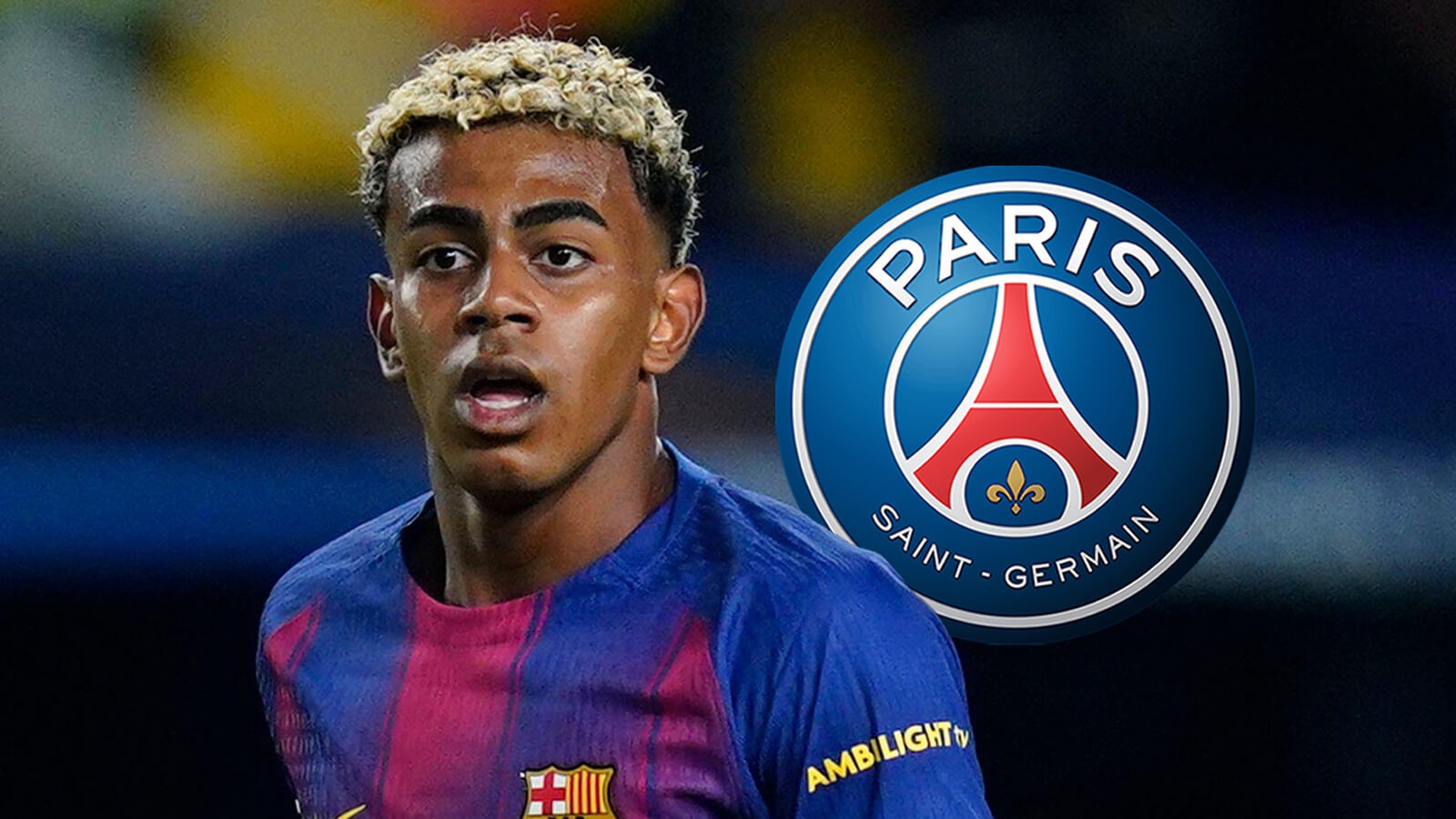
This injury doesn't just affect Arsenal; it halts the entire European striker carousel. Atletico Madrid cannot sanction the sale of Alvarez until they have a replacement lined up, and they certainly won't find a buyer willing to pay full price while he is on crutches. PSG, who are currently eyeing a record-breaking €350m move for Lamine Yamal, may now see less competition for other secondary targets as Arsenal’s budget is tied up in medical due diligence.
Furthermore, it places a spotlight on the workload of elite players. Alvarez has barely had a summer break in three years between deep Champions League runs and international duty with Argentina. This tear is the classic 'fatigue injury'—a muscle snapping under the weight of an unsustainable calendar. If Arsenal do proceed, they aren't just buying a striker; they are buying a recovery project that requires a specialized fitness program to avoid a total breakdown in the Premier League's physical environment.
Read Next
- Arsenal defensive crisis deepens as William Saliba withdraws from France duty
- The Summer Shakeup: Top 10 High-Stakes Moments Facing Arsenal
- Arsenal are staring into the abyss again and it feels way too familiar
- Ben White's England recall masks the physical toll of Arsenal's season
- 🇦🇷 Argentina World Cup 2026 — Defending Champions Hub
- ⭐ UCL 2026 — Champions League Quarter-Finals Hub