Timber sidelined as World Cup window closes
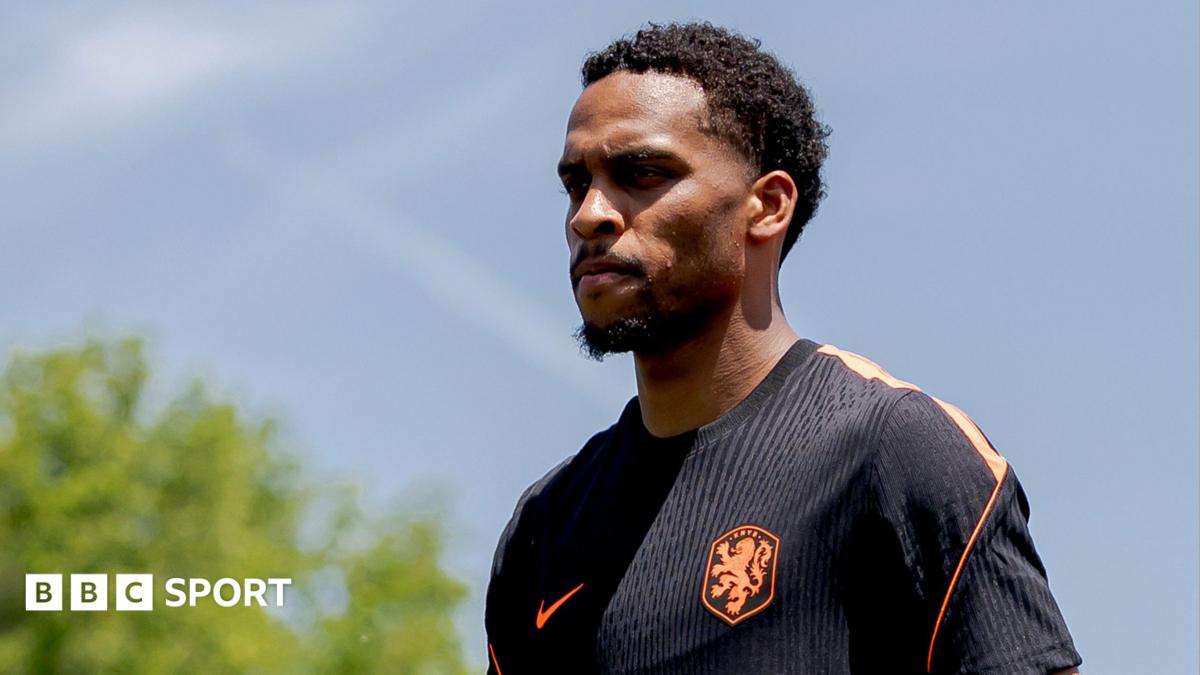
Jurrien Timber will not participate in the 2026 World Cup. Arsenal confirmed today the defender has been ruled out of the tournament due to a severe groin injury that emerged during final training preparations. The news arrives just 72 hours before the global kickoff on June 11, leaving the Netherlands national team without a versatile defensive anchor.
Medical scans finalized this morning revealed the extent of the damage following an awkward pivot in Tuesday’s practice session. Team doctors determined that any exertion during the next four weeks risks long-term soft tissue failure. Arsenal’s internal protocols dictate a strict no-contact policy for the next six weeks, effectively removing him from contention for the entirety of the tournament.
Tactical ripple effects for club and country
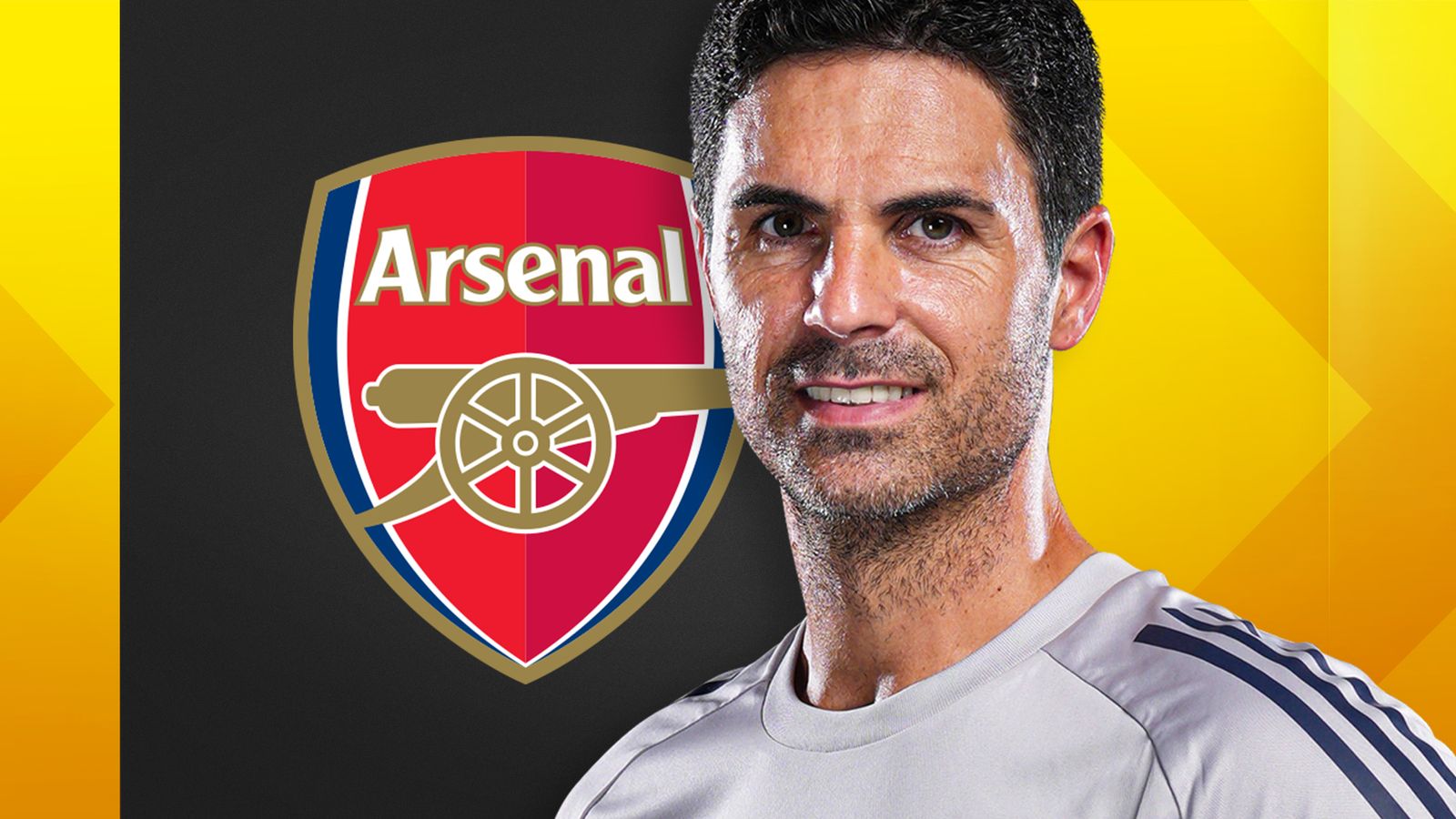
This injury creates an immediate void for manager Mikel Arteta. Timber was pegged for a hybrid role, tracking back from right-back into a central defensive screen. Without his ability to invert, Arsenal’s tactical fluidity during pre-season tours will likely shift toward more rigid, traditional fullback setups to cover the defensive transition gaps.
The impact extends to international planning as well. According to reports from Sky Sports, the Dutch medical staff worked through the night to exhaust recovery options. Their failure to reverse the diagnosis confirms a grim reality for his summer. The Netherlands must now recalibrate their backline strategy under heavy time pressure.
Historical context and recovery outlook
Groin issues of this nature have plagued Arsenal’s defensive corps for several seasons. Timber previously navigated a lengthy ACL rehabilitation, and the team’s medical staff was arguably overly cautious with his workload during the Premier League title run-in. Critics point to this recent spike in training intensity as the primary catalyst for his current setback.
History suggests that rushing a return for soft tissue injuries often leads to secondary pulls. The precedent for such mid-tournament-cycle exclusions is usually a 10 to 12-week recovery timeline before full-field training. Arsenal has opted for a conservative route to ensure he is available for the start of the 2026-27 club season, prioritizing long-term durability over the short-term goal of the World Cup.
Squad depth under fire
The strategic implication for Arsenal is clear: they must now scour the market or look to youth reinforcements early. The current backup options in the first team lack the specific tactical profile Timber brought to the pitch. Relying on makeshift solutions in July and August could result in dropped points early in the schedule.
It remains a significant failure in load management. When a defender who spent the majority of last campaign navigating injury markers goes down in a pre-tournament camp, questions regarding the density of the training schedule become inevitable. Arteta’s staff must answer for the intensity levels imposed on players with documented recent medical histories.
Looking ahead, the recovery timeline sets a clear target: mid-August. Clinical staff aim for a return to grass-based sessions by late July, followed by a gradual reintegration into the Arsenal first-team setup just before the league calendar commences. The frustration among the fanbase is high, but the clinical consensus is unanimous: the risk of permanent damage outweighed the benefit of an abbreviated tournament appearance.
Read Next
- Jurrien Timber out of World Cup as Netherlands scramble for cover
- Arsenal eye Julian Alvarez in aggressive push for a new striker
- England’s Spain wake-up call is the reality check they desperately needed
- Sarina Wiegman is gambling on pain to fix England before the World Cup
- 🏆 World Cup 2026 — Full Coverage Hub
- ⭐ UCL 2026 — Champions League Quarter-Finals Hub