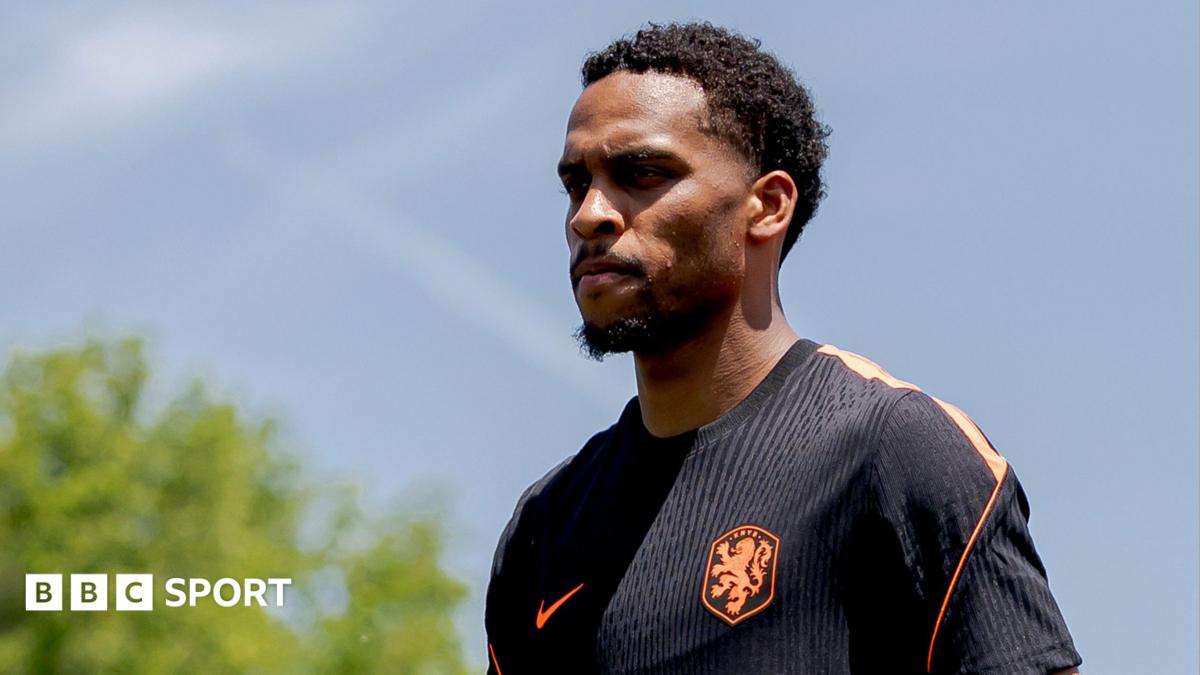
Timber ruled out days before tournament kickoff
The Netherlands suffered a major defensive setback this morning as Jurrien Timber was officially ruled out of the 2026 FIFA World Cup. A persistent groin injury has forced the Arsenal man to withdraw from Ronald Koeman’s squad entirely. The timing is brutal. Kickoff for the tournament begins in exactly 3 days on June 11.
This injury eliminates one of the most versatile pieces on the Dutch roster. Timber provided tactical flexibility often utilized by Koeman to bridge the gap between defensive solidity and attacking buildup. His absence creates a vacuum in the Dutch backline that now forces internal roster adjustments at the eleventh hour.
Lutsharel Geertruida called up as permanent replacement
Lutsharel Geertruida has been confirmed as the replacement for Timber. Federation officials acted with immediate haste, moving to secure Geertruida to ensure a full complement of defenders before the team’s opening fixture. The BBC reported the confirmation of this swap early Saturday, closing the door on any potential last-minute recovery for Timber.
Geertruida arrives with a specific set of physical attributes, but replacing an established Premier League starter like Timber is a difficult assignment. While Geertruida offers tenacity, the tactical familiarity between Timber and his Arsenal teammates - many of whom compete at this international level - is lost. This is a recurring issue for national teams, but the timing just before a World Cup cycle intensifies the frustration for coaching staff.
The broader tactical strain for the Dutch
The loss of a high-ceiling defender naturally reshapes how the Netherlands will navigate their group stage matches. Defenders who can progress the ball through central channels are premium assets in modern international football. Without Timber’s specific movement profiles, the Dutch must rely on more traditional defensive configurations.
History is littered with teams that failed to overcome a late-stage defensive withdrawal. Teams that lose a primary rotation player days before a tournament often struggle with chemistry adjustments in the high-pressure group stage. The mental toll of losing a teammate, combined with the lack of training minutes for the incoming replacement, puts the Netherlands at a measurable disadvantage against their group opponents.
Strategic consequences for club and country
For Arsenal, this development brings a sigh of relief mixed with concern. Keeping Timber out of the intense schedule of a World Cup prevents further aggravation of his groin. However, the recurring nature of these soft-tissue ailments is a red flag for the club's medical staff entering the 2026-27 domestic season. Reliability at the back is what title contention is built upon, and Arsenal cannot afford to have uncertainty surrounding his recovery timeline well into August.
Geertruida’s inclusion, conversely, is an opportunity for the young defender to secure a permanent hold on a starting spot. If he performs at a high level under the pressure of the tournament, he will force Koeman to reconsider his depth chart for the post-tournament European qualifiers. High-stakes tournaments remain the most efficient way for players to leapfrog veterans in the national hierarchy. Whether the Dutch can maintain defensive discipline without their primary pivot will be one of the early storylines of the tournament.
The margin for error on the international stage is razor-thin. By losing a player of Timber’s caliber, the Netherlands must now optimize their secondary options while simultaneously integrating a new face into their defensive shell. The success of this transition will determine whether this injury is a minor annoyance or a fatal blow to their knockout stage ambitions. As the opening whistle nears, the focus now shifts entirely to internal alignment and injury management protocols for the remaining squad members.
Read Next
- Arsenal eye Julian Alvarez in aggressive push for a new striker
- England’s Spain wake-up call is the reality check they desperately needed
- Lisandro Martinez injury status clarity ahead of World Cup kickoff
- Sarina Wiegman is gambling on pain to fix England before the World Cup
- 🏆 World Cup 2026 — Full Coverage Hub
- 🇳🇱 Netherlands World Cup 2026 — Oranje Hub