The Bournemouth Trauma and the Vital Signs at the Emirates
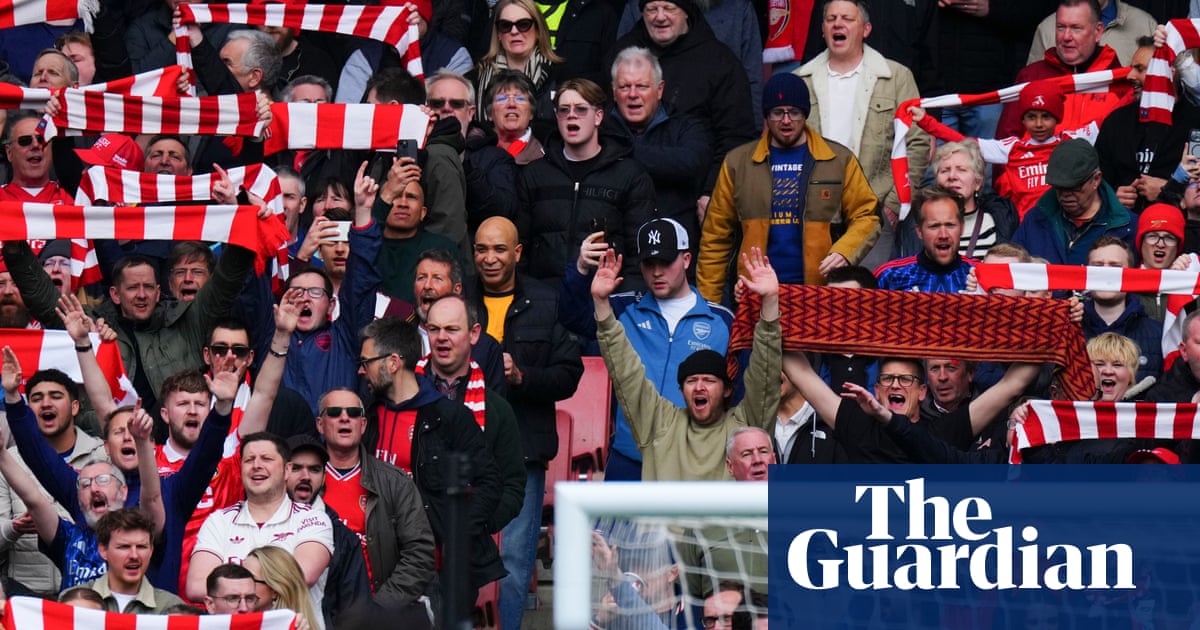
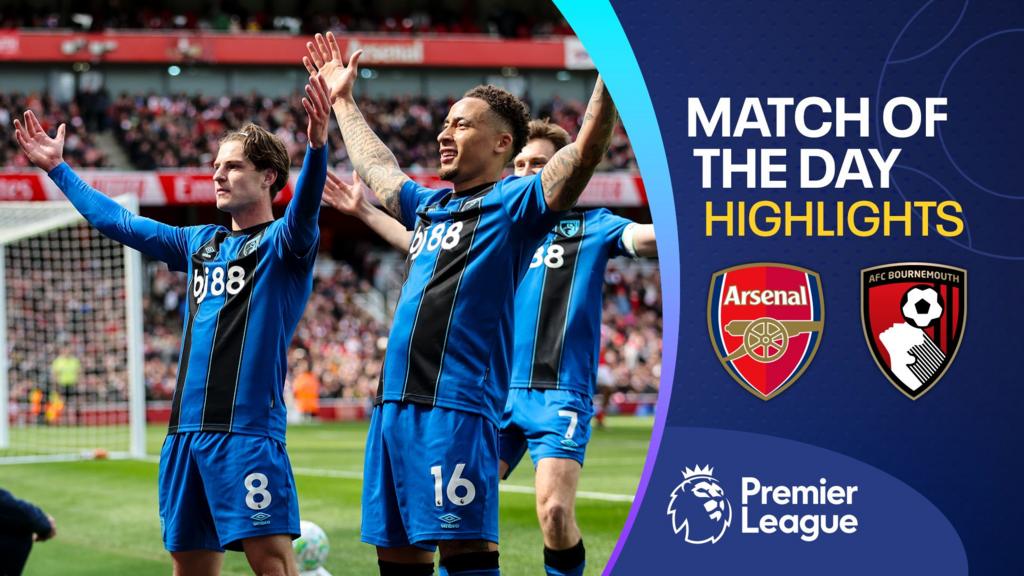
Arsenal’s Premier League title bid has been wheeled into the intensive care unit. Saturday's 2-1 defeat at Bournemouth was not just a dropped three points; it was a systemic failure that has exposed the psychological frailty of Mikel Arteta’s squad at the worst possible moment. Coming off the back of a grueling spring schedule, the Gunners looked physically spent and mentally haunted by the ghost of previous late-season collapses. The loss leaves them vulnerable, gasping for air as Manchester City prepares to deliver the final blow next Sunday.
The mechanics of the defeat were as agonizing as they were predictable. Bournemouth played with a high-intensity press that exposed Arsenal’s lack of mobility in transition. While the Gunners controlled early possession, they lacked the explosive pace required to break the lines. When the winning goal went in during the 82nd minute, it signaled more than a tactical error. It was a failure of collective nerve. Gary Neville observed that the team must now find a way to balance their raw emotion with the clinical detachment required to win at this level.
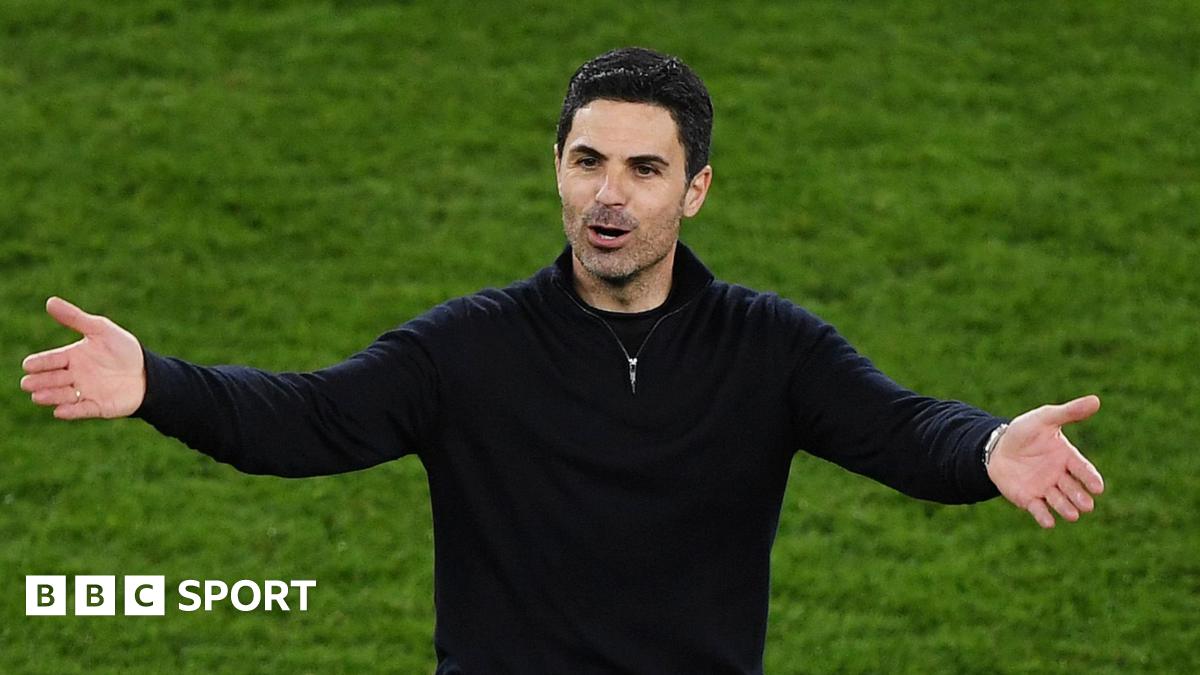
For Arteta, the diagnosis is clear but the cure is complex. This was a team that looked "scared," according to some observers in the tunnel. The recovery timeline is non-existent. Arsenal face a Champions League quarter-final second leg tomorrow before the defining trip to the Etihad. There is no time for a slow rehab. They either find their competitive fitness in the next 24 hours or they watch their silverware ambitions flatline for another year.
Gabriel Jesus and the Search for Clinical Fitness
Gary Neville has pointed the finger directly at Gabriel Jesus. The Brazilian forward, a four-time Premier League winner with Manchester City, was brought to North London to provide the winning DNA that this squad lacks. Instead, Jesus has often looked like a player searching for his own rhythm rather than leading the line. Neville has demanded that Jesus "step forward immediately" to stabilize a dressing room that is beginning to fracture under the weight of expectation.
The issue with Jesus is not just physical; it is his output in the high-leverage moments. Arsenal’s attack has become increasingly static, relying on individual brilliance rather than the fluid, devastating combinations that defined their early-season form. Jesus’s heatmap against Bournemouth showed a player drifting too far from the box, failing to provide the focal point needed to occupy defenders. If he cannot find his clinical edge before Sunday, Arteta may be forced to look at alternative solutions that lack Jesus's experience but offer more directness.
This is a recurring symptom for Arsenal. They have a history of their primary attackers going cold when the weather warms up. In April 2023 and again in 2024, the lack of a ruthless finisher cost them the league. By failing to upgrade the striker position in January, Arteta gambled on the fitness and form of his existing core. After the 2-1 result on the south coast, that gamble looks increasingly like a lapse in judgment. The "title winner" tag only matters if the player actually wins you titles on the pitch.
The Etihad Surgery: A Season on the Table
Next Sunday’s clash at the Etihad is no longer a tactical chess match; it is a full-scale surgical intervention. Gary Lineker, who previously backed Arsenal, has seen enough. He now claims that if his "life was on the line," he would put his money on Manchester City. Lineker’s shift reflects a broader consensus in the industry. The momentum has shifted so violently that Arsenal are no longer the hunters; they are the prey, wounded and limping into the champion's territory.
City’s ability to hit their stride in April is a biological constant of the Pep Guardiola era. They don’t just win games; they drain the life out of their opponents through relentless possession and a squad depth that allows them to rotate without losing quality. Marc Guehi, the latest addition to the City defensive line, has already issued a warning. He noted that the squad has hit its peak fitness at "just the right time." Guehi has been a revelation since his move, providing a level of recovery speed that makes City’s high line almost impossible to exploit.
Arsenal’s approach to the Etihad must be different from the Bournemouth debacle. They cannot afford to play with the "scared" mindset that Lineker identified. Alan Shearer noted that the mocking of Arteta’s touchline theatrics is starting to resonate. If the manager looks frantic, the players will play frantic. The surgery required on Sunday involves a complete reconstruction of their defensive discipline. One more lapse, one more 87th minute defensive error, and the race is over.
Historical Context and the Psychological Scar Tissue
This isn't the first time Arsenal have found themselves in this medical bay. The 2022-23 season saw a similar degradation of performance after a shock defeat to Brighton. The 2023-24 campaign stuttered against Aston Villa. Each time, the failure was attributed to a lack of "emotional balance," a phrase Neville keeps returning to. The psychological load of trying to dethrone a juggernaut like City is equivalent to a high-grade muscle strain. It wears you down until you eventually snap.
The strategic implications of another empty-handed season are dire for Arteta. He has been given the time, the funds, and the platform to build a dynasty. But as critics have pointed out, if he doesn't win trophies this year, his reputation may never fully recover. You cannot be the "nearly man" forever in a league where the margins are measured in millimeters. The FA Cup final on May 16 and the UCL final on May 28 represent other paths to glory, but the Premier League is the ultimate test of a squad's health.
Ultimately, Arsenal’s problem is that they are fighting against a Manchester City machine that feels no pain. While Arsenal are analyzing their bruises and counting their injured egos, City are looking at the 59 days remaining until the World Cup kickoff as a victory lap. The Gunners have six days to find a miracle cure. They need to stop the bleeding, reset the bone, and walk into the Etihad like they belong there. Based on the Bournemouth evidence, they’ll be lucky to make it out of the tunnel with their dignity intact.