Australia enters the World Cup with a level of rigor they once lacked

The science behind the Socceroos' elevation
International football is frequently a battle of low-margin adjustments. Australia, a side historically characterized by grit rather than technical refinement, is attempting to bridge that gap through sports science. If the reports reflect the internal reality, the shift in their preparation standards is bordering on obsessive.
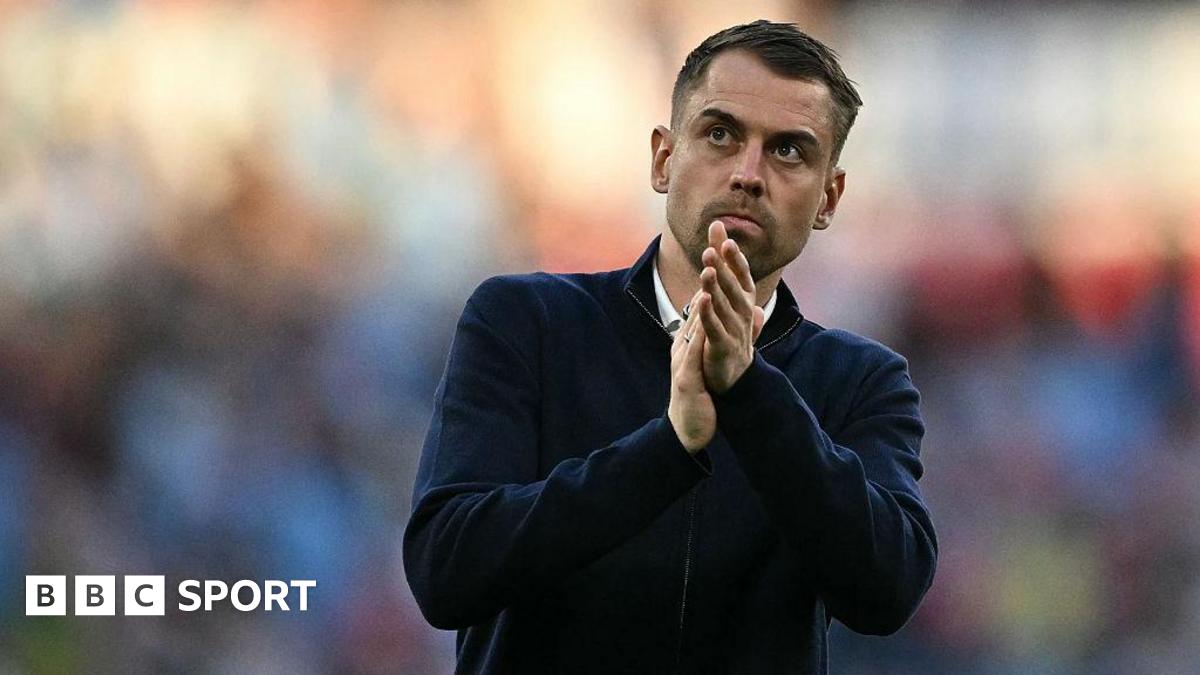
The integration of high-level performance metrics has transformed their camp expectations. A former Crystal Palace defender, currently embedded in their coaching structure, has pivoted the narrative toward recovery and biological efficiency. This is not about training harder; it is about the granular details of sleep cycles and metabolic loading.
For a team that has never tasted victory in a World Cup knockout fixture, this is an attempt to manufacture an edge. Australia arrives on American soil with a swagger that feels earned via data rather than arrogance. They are attempting to strip away the historical baggage of the tournament underdogs.
The administrative ghosts of an Swiss nightmare
While Australia refines its sleep schedules, the contrast within the international group stage is jarring. Switzerland’s administrative failure regarding their primary goalscorer illustrates a recurring theme in modern football management: total institutional disconnect. If a squad reaches the 2026 World Cup without their focal point because of an office oversight, the coaching plans become effectively redundant.
Switzerland’s landing on American soil has been defined by administrative paralysis. Their leading goalscorer is currently sidelined from the squad due to a documentation error, a development that leaves their attacking output in a state of suspended animation. With the tournament opener only 8 days away, the efficiency gap between a disciplined Australian side and a fractured Swiss side is widening.
Compare this to the farce unfolding at Celtic, where the search for a new manager has drifted into surreal territory. As Celtic’s search for a manager continues to descend into farce, the lesson remains the same. Clubs and nations that lose control of their basic requirements off the pitch inevitably watch their tactical output disintegrate on it.
Tactical focus versus terminal decay
Australia’s approach represents a move toward the modern tactical professionalization of the national team game. They understand that at the World Cup, the difference between a round-of-16 exit and a quarterfinal run is often found in the 70th-minute substitution pattern and the 90-minute defensive organization. Their data-driven approach aims to sustain physical output when the intensity of the tournament naturally spikes in the knockout rounds.
However, no amount of sleep-tracking data can compensate for a lack of genuine creation in the final third. Australia’s reliance on rigid structures can sometimes make them look pedestrian against organized low blocks. We have seen them struggle against teams that pack the central lane, forcing them to recycle possession without threatening the frame of the goal.
They are entering the tournament with ambition, yet their actual threat level remains unproven against the heavyweights. They possess the infrastructure to shock a major nation, but only if their technical execution matches the ambition of their fitness regimes. Unlike teams in disarray, they have at least cleared the administrative hurdles that typically doom minnows before a ball is kicked.
In contrast, Switzerland is the cautionary tale of the current window. When an organization forgets their tactical focal point, they invite disaster. By June 11, we will know if Australia’s disciplined approach yields a historic result or if, like Switzerland, the headlines move toward failure before the kickoff whistle sounds.
Read Next
- Switzerland’s World Cup prep is already in crisis
- Celtic's search for a manager is descending into farce
- Liverpool's summer recruitment requires more than just sentiment
- England’s World Cup belief ignores the statistical wall
- 🏆 World Cup 2026 — Full Coverage Hub
- 🇨🇭 Switzerland World Cup 2026 — La Nati Hub
- 🇦🇺 Australia World Cup 2026 — Socceroos Hub
G-Form Pro-S Vento Soccer Shin Guards, Black
Elite protection that stays flexible until impact.
Frequently Asked Questions
How is Australia preparing for the World Cup?
Why is the Swiss national team missing their primary goalscorer?
What is the tactical objective of Australia's new preparation methods?
How does administration affect on-pitch performance in football?
What are the limitations of Australia's data-driven football strategy?
More Coverage

Switzerland’s World Cup prep is already in crisis
an hour ago
Celtic's search for a manager is descending into farce
an hour ago
Liverpool's summer recruitment requires more than just sentiment
3 hours ago
Celtic's managerial search exposes the cracks at Parkhead
8 hours ago
Tuchel's England Experiment is Missing a Defensive Anchor
21 hours ago
June 2026: Top 10 Fixtures to Watch Before the World Cup
1 day agoMore Analysis

Real Madrid's Jose Mourinho plan is a chaotic fever dream
55 minutes ago
Why the BBC will dominate the World Cup broadcast battle
55 minutes ago
Why hiring Iraola is either genius or a massive Liverpool blunder
57 minutes ago
Switzerland’s World Cup prep is already in crisis
an hour ago
DR Congo are the ultimate World Cup dark horse and fans are losing their minds
an hour ago