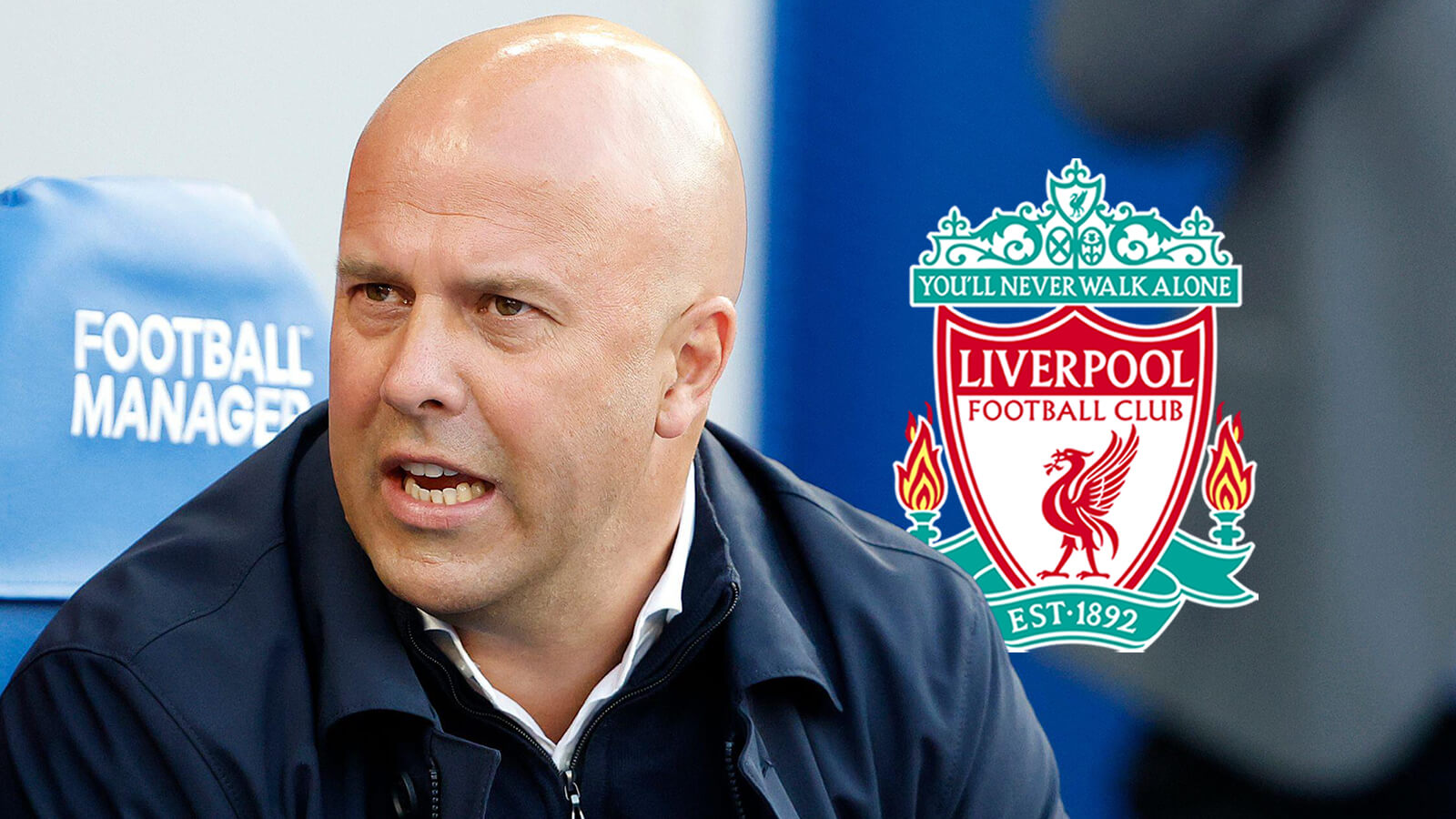
The statistical gap in Liverpool's engine room
Liverpool enters this summer window facing a cold mathematical reality. The squad finished the domestic campaign struggling to bridge the gap between their high-volume possession and actual conversion rates. When analyzing the metrics from the final ten league matches, the Reds maintained an average of 62 percent possession but only converted these chances into a goal once every 8.4 shots.
This efficiency delta highlights why the transfer market rhetoric is heating up among fans. As Sky Sports followers have debated regarding potential incomings, the focus often drifts toward flashy attacking options. However, the data suggests the true defensive vulnerability lies in the transition moments occurring between the 60th and 75th minute.
Transition failures and the xG drop-off
Opposition counter-attacks consistently exploited the space behind the full-backs during the season's closing stages. Liverpool conceded a total expected goals (xG) against of 1.25 per 90 during that specific 15-minute window throughout the final quarter of the season. This represents a significant deviation from their season-long average of 0.88 xG against.
The lack of a true defensive-minded anchor has forced midfielders to abandon their zonal assignments to cover gaps. This creates a chain reaction; the press becomes disjointed, allowing opposing sides to find the killer pass into central channels. It is not a matter of personnel quality, but rather of positional discipline and tactical recovery speed.
The myth of the squad's total overhaul
Popular discourse suggests the club is heading for a record-breaking summer of arrivals. Yet, when looking at the club's financial patterns over the last four windows, the net spend remains remarkably stable. The club has prioritized efficiency over volume, keeping net expenditure below 50 million pounds in two of the last three seasons.
If the plan is to rectify the central midfield deficiency, management will likely need to deviate from this conservative spending model. Statistics indicate that top-four contenders who fail to resolve defensive transition issues see an average drop of 6 points in the following campaign. Maintaining the current structure without structural reinforcements invites regression rather than progression.
Analyzing the ball-progression issue
The reliance on wide defenders to act as primary playmakers has become predictable for opponents. Throughout late 2026, the volume of passes originating from the full-back positions increased to 34 percent of the total team output. While effective against low blocks, this pattern allows well-drilled defensive units to collapse inward, suffocating space in the half-spaces.
There is a dangerous dependency on individual moments of brilliance rather than system-wide cohesion to break locked defenses. Without securing a central creator capable of executing at least 4 progressive passes per 90 minutes, the offensive output will likely stagnate. The upcoming window is not about making headlines; it is about fixing the specific mechanical failures that stalled the charge toward the top of the table.