The ghost of managerial pedigree returns to the Vitality
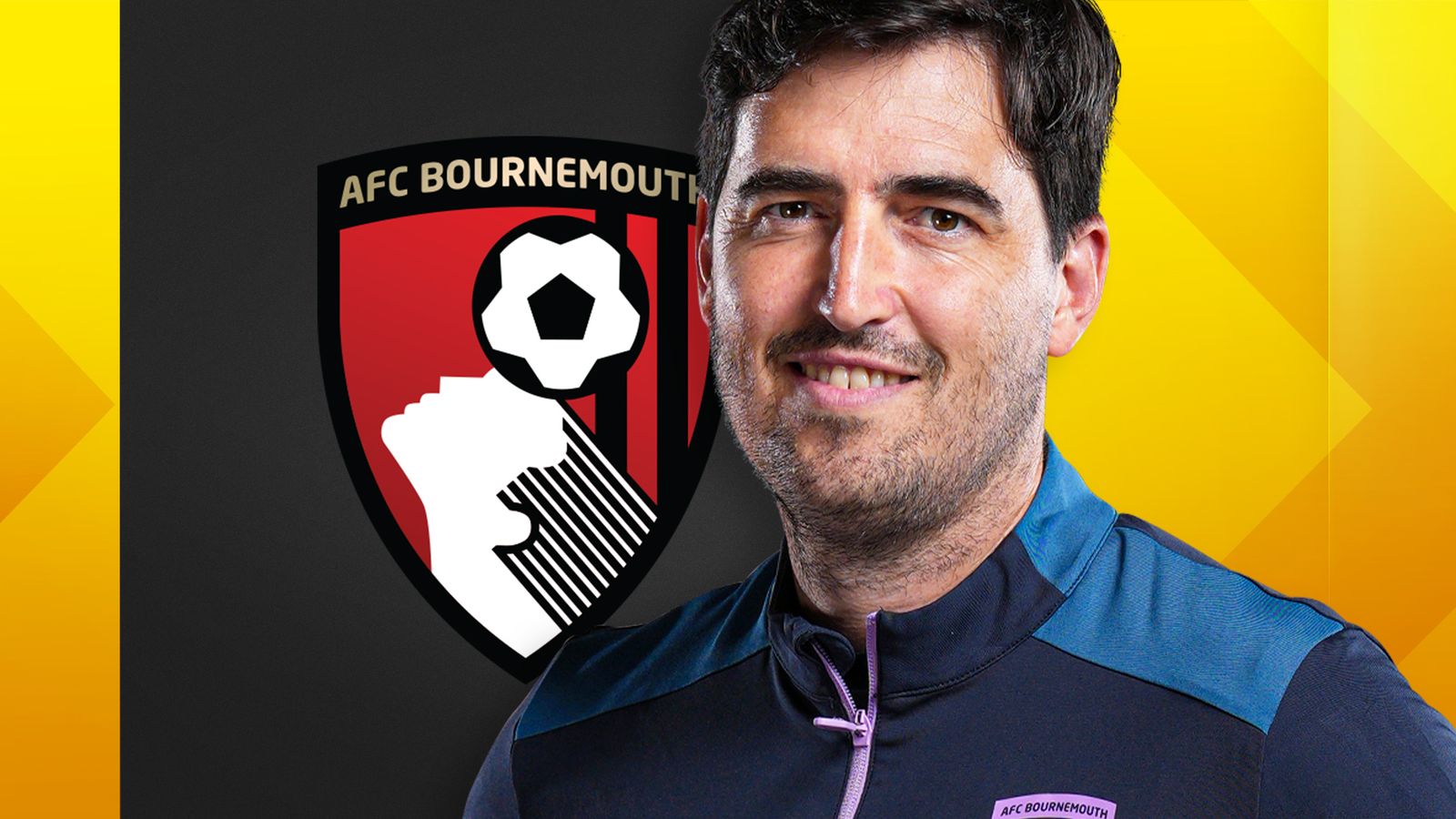
In the quiet of a Thursday afternoon, while the rest of the continent prepares for the high-stakes theater of the Europa League quarter-final second legs, a different kind of drama is unfolding on the South Coast. As Sky Sports reported today, Frank Lampard has officially responded to the mounting speculation linking him with the Bournemouth job. It is a story that feels like a glitch in the matrix for a club that has spent the last three years building one of the most coherent, data-driven identities in the Premier League.
Lampard’s response was predictably measured—the usual mix of professional distance and thinly veiled interest. But for those of us who have spent the better part of the last decade tracking the tactical evolution of the English game, this link is deeply unsettling. Bournemouth, under the stewardship of Bill Foley’s Black Knight Football Club, has been a case study in system-first recruitment. Transitioning from the high-pressing intensity of the Iraola era to a manager whose primary calling card is 'individual brilliance' and 'Chelsea DNA' feels like trying to run modern software on a floppy disk.
We are currently sitting in the 33rd matchday of the season, and Bournemouth finds itself in that awkward, mid-table purgatory where the difference between a top-half finish and a slide into obscurity is measured by the quality of the next managerial appointment. The rumor mill isn't just noise; it’s a reflection of a board that might be losing its nerve as the margins in the Premier League tighten further under the 2026 PSR regulations.
The metrics of a tactical vacuum
If you look at the raw data from Lampard’s previous three major appointments, a clear and concerning pattern emerges. At Everton, his side consistently ranked in the bottom quartile for Passes Per Defensive Action (PPDA), often allowing opponents to dictate play from the center circle. At Chelsea, his defensive transition metrics were a disaster, with the team repeatedly exposed on the counter-attack due to a lack of structural discipline in the middle third. Bournemouth’s current squad is built for the exact opposite: they are a team that lives and dies by their ability to squeeze the pitch.
Consider the profile of players like Antoine Semenyo or Milos Kerkez. These are high-output, high-intensity athletes who thrive in a system that demands constant movement and synchronized pressing. Under Lampard, we have historically seen a loosening of these strings. He tends to favor a more 'vibes-based' approach, relying on his attacking players to find solutions in 1v1 situations rather than through collective patterns of play. It is a philosophy that worked in 2005, but in the hyper-coached environment of 2026, it is a recipe for being picked apart by anyone with a functional defensive block.
The technical analyst in me looks at Bournemouth’s 'Field Tilt' stats this season—which have remained surprisingly healthy despite a dip in results—and sees a team that needs a tactical refinement, not a complete overhaul. Bringing in Lampard would be the equivalent of hitting the 'factory reset' button when all you needed was a firmware update. The risk is that you lose the muscle memory of the last three seasons and replace it with a void that no amount of 'character' or 'Premier League experience' can fill.
The myth of the safe pair of hands
There is a persistent narrative in the English media that a former great player represents a 'safe' choice for a club in transition. It is a fallacy that continues to haunt boards across the country. In reality, the safest choice is always the system-compatible choice. When you look at the available managerial pool right now, there are coaches in the Bundesliga and even the Championship whose underlying numbers align perfectly with what Bournemouth has spent £150 million building since 2023.
Lampard’s response to the links suggests he sees the Bournemouth project as a way to rehabilitate a reputation that took a significant hit during his interim stint at Chelsea and his exit from Goodison Park. But Bournemouth shouldn't be a rehabilitation clinic for elite-level retirees. The club has outgrown the need for a 'name' at the helm. They need a builder, a technician, someone who understands the nuances of modern rest-defense and the intricacies of a high-line press.
A critical look at the South Coast's trajectory
Let’s be honest: Bournemouth has looked stagnant over the last six weeks. The intensity that defined their early-season form has evaporated, and the 0-3 loss last weekend was a glaring indictment of a group that has stopped listening to the current instructions. However, the solution to boredom isn't chaos. My biggest criticism of the Bournemouth hierarchy right now is their apparent willingness to entertain a move that contradicts everything they’ve preached about 'The Black Knight Way.'
If the goal is to break into the European spots by 2028, you don't do it by hiring a manager who has struggled to keep a defensive clean sheet for more than two consecutive games in his career. There is a specific kind of arrogance in thinking that a change in leadership can fix structural deficiencies without a corresponding tactical shift. Lampard represents a retreat into the comfortable, the familiar, and the ultimately mediocre. It is the kind of move that a club makes when they’ve run out of ideas, and for a club as forward-thinking as Bournemouth, that is the most disappointing part of this entire saga.
"It's a fantastic club with a clear vision, and any manager would be interested in the project there," Lampard told Sky Sports today.
That quote is the quintessential managerial non-answer, but the subtext is clear: the bridge is being built. The question is whether the Bournemouth fans are willing to cross it. The Vitality is a stadium that appreciates hard work and tactical coherence; it is not a place that suffers fools or vanity projects. If Lampard arrives and fails to implement a high-press system from day one, the atmosphere could turn toxic before the 2026 World Cup even kicks off.
What to watch for in the coming days
With the Europa League matches concluding tonight, expect the managerial carousel to pick up speed. If West Ham or Newcastle decide to make a move, the pool of candidates will shift again. Bournemouth needs to act fast, but they must act with precision. The 'Lampard Link' feels like a distraction from the real work that needs to be done: identifying a coach who can maximize the existing squad’s output without demanding a massive, unsustainable overhaul in the summer transfer window.
Watch the betting markets, but more importantly, watch the technical reports coming out of the club. If we start hearing phrases like 'simplifying the game' or 'returning to basics,' we’ll know the Lampard era is imminent. And that is exactly when Bournemouth fans should start worrying. The Premier League is too fast and too smart for 'the basics' to be enough anymore. You either innovate or you evaporate.
Prediction: The South Coast Gamble
I’m calling it now: Bournemouth will offer Lampard the job, he will accept, and the honeymoon period will last exactly four games. The underlying issues with the squad's defensive transition won't be solved by a 'legend' in the dugout; they require a surgeon's touch on the training pitch. By Christmas 2026, we will be having the exact same conversation about why this appointment failed to deliver on its promise. Bournemouth is too good for this, but sometimes clubs need to make a mistake to realize what they had. This is that mistake.
My prediction? Bournemouth finishes the season in 15th place, narrowly avoiding a real scrap, but the seeds of a disastrous 2026/27 campaign are being sown right now. Own the choice, Bill Foley, but don't say the data didn't warn you.