The Physical Shift at Lancing
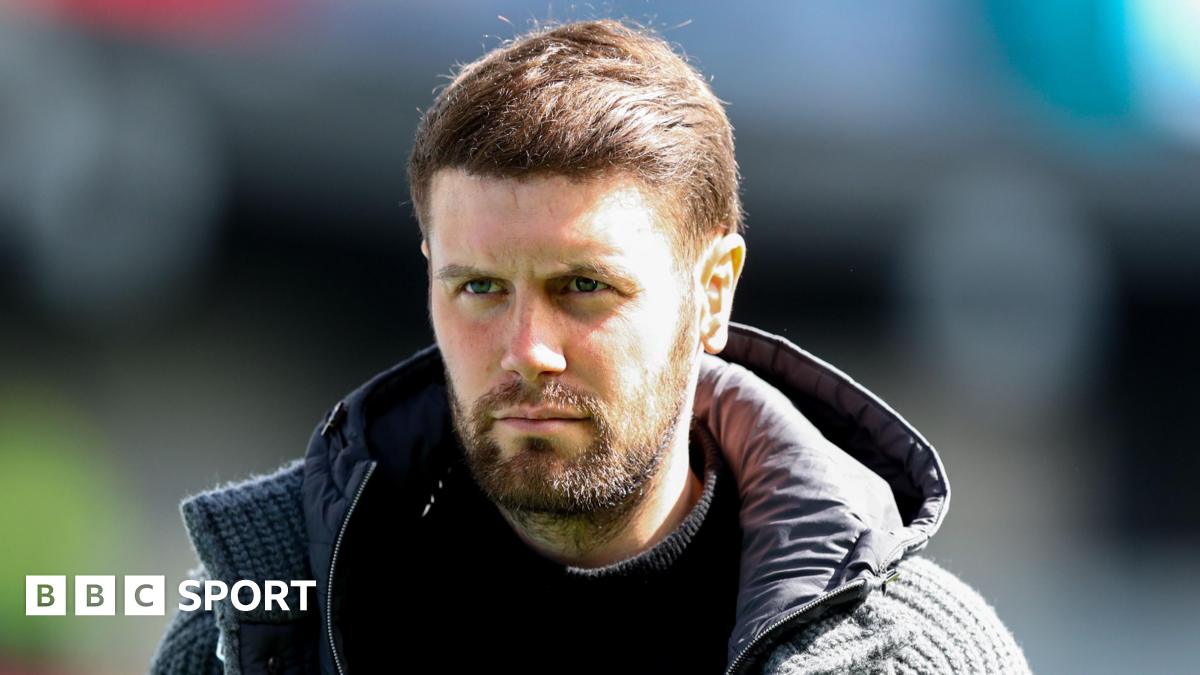
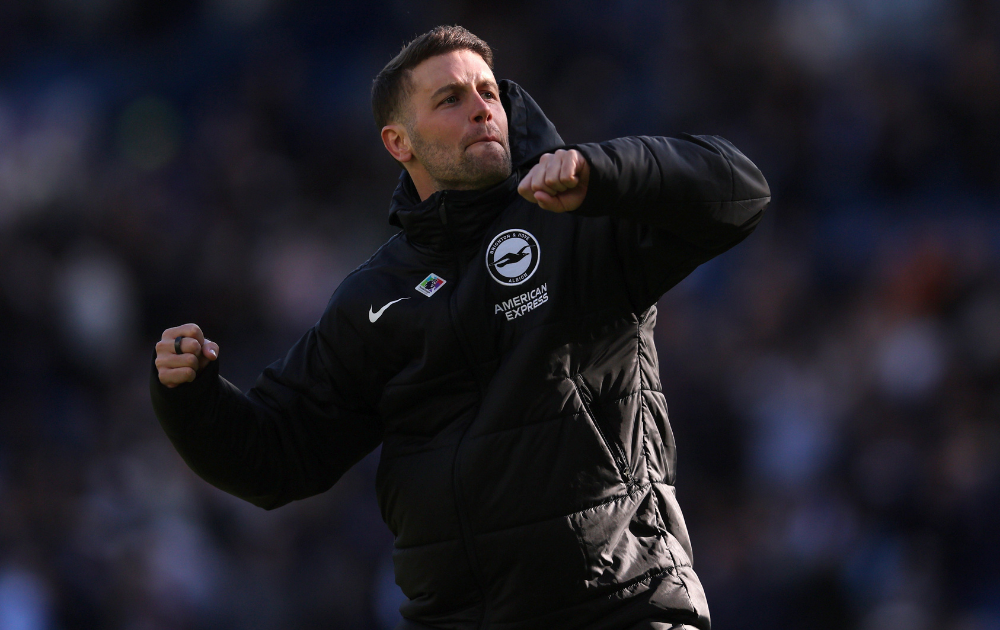
Fabian Hurzeler has confirmed that Brighton and Hove Albion have integrated an MMA fighter into their first-team training sessions. This move is not a temporary PR stunt or a one-off motivational speech. It is a calculated tactical adjustment designed to address a specific tactical deficit in the Brighton squad. The goal is to improve the team's ability to handle the physical demands of set-piece situations, particularly in a league where blocking has become a primary offensive weapon.
As Sky Sports reported, the MMA specialist is working directly with the squad on body positioning and physical leverage. Hurzeler is looking to shed the perception that his side is too easy to brush aside in high-traffic areas. The training focuses on how to hold ground and move opponents without conceding fouls, a skill set that translates directly from the Octagon to the six-yard box.
The Science of the Grapple
From a medical and fitness perspective, this cross-training is about more than just toughness. It is about biomechanics. Footballers are trained for explosive speed and lateral agility, but they often lack the core stability and grip strength found in combat athletes. By teaching players how to use their hips and low center of gravity to resist being moved, the club is effectively building a human wall that is harder to penetrate during corners.
The training involves specific drills on under-hooks and balance. When a defender is caught in a block, they often reach or lunge, which leads to muscle strains or awkward falls. MMA techniques teach athletes how to absorb impact and redirect force. This should, in theory, reduce the number of soft-tissue injuries that occur during the chaotic 'scrum' moments of a Premier League match.
Shedding the Too Nice Label
Hurzeler has been vocal about the need for a mental shift within the dressing room. He noted that the squad has often been seen as a technical, ball-playing side that lacks the edge required to win the second balls. The introduction of combat sports elements is a direct response to this. As The Daily Mail reported, the manager believes the team needs to adapt to the new trends of the Premier League.
"We brought him in because I think we spoke a lot about set-pieces, about blocking, new trends in the Premier League. We tried to adapt to it as well."
The timing is critical. Brighton face Newcastle on Saturday, May 2. Eddie Howe’s side is notorious for their physical prowess and their efficiency from dead-ball situations. This match will serve as the first real stress test for Hurzeler’s new training regimen. If Brighton can neutralize Newcastle's aerial threat, the MMA experiment will be viewed as a masterstroke. If they fail, it will be dismissed as an unnecessary distraction.
The Endrick Comparison
The focus on physicality is a global trend. We see it in the development of young stars like Endrick. Currently on loan at Lyon from Real Madrid, Endrick has had to adapt his game to the physical nature of European football. As The Guardian noted, the forward has found form by embracing the more combative side of the sport. He is fighting for a spot in Carlo Ancelotti’s Brazil squad for the 2026 World Cup, and his success at Lyon is built on a foundation of improved physical resilience.
Endrick’s evolution mirrors what Hurzeler wants for Brighton. It is no longer enough to be a gifted technician. You must be able to survive the contact. The Brazilian forward's journey shows that even the most talented players need to find their 'fighting spirit' to excel at the highest level. Brighton’s defenders are now being asked to do the same, albeit through a more structured, combat-oriented approach.
Strategic Implications and Industry Risks
Brighton is often the first mover in Premier League trends. Their recruitment and data-driven approach have been copied by dozens of clubs over the last five years. If this MMA integration works, expect to see combat coaches appearing on the payrolls of several mid-table clubs by the start of the 2026-27 season. The search for marginal gains has moved from the video room to the wrestling mat.
However, there is a distinct risk associated with this strategy. Introducing high-intensity grappling to a squad of footballers who are not conditioned for it could lead to an increase in non-contact injuries. The torque required for MMA-style blocking places significant stress on the knees and ankles. One mistimed drill could result in a syndesmosis injury that sidelines a key starter for 8 weeks or more. It is a high-stakes gamble for a team still fighting for European qualification.
Historical Precedents
This is not the first time a club has looked outside of football for physical edges. In the early 2000s, several clubs experimented with ballet to improve balance, while others brought in Olympic sprinters to fix running mechanics. More recently, rugby coaches have been consulted for their expertise in tackling and defensive organization. Brighton’s move into MMA is the natural progression of this cross-pollination.
The difference here is the specificity. Hurzeler isn't just looking for general fitness. He is targeting a specific phase of play. By focusing on the 'dark arts' of blocking, he is acknowledging that modern football is often decided in the margins of a corner kick. The success of this move will be measured in clean sheets and goals conceded from set-pieces, not just the physical appearance of the players.
The Newcastle Litmus Test
Saturday's match is the immediate priority. Newcastle will likely target Brighton’s perceived softness. They will crowd the goalkeeper and use their size to bully the backline. Hurzeler’s MMA-trained defenders will need to show that they can hold their ground without being flagged by the referee. It is a delicate balance between aggression and discipline.
The medical staff will be watching closely. The physical load of these sessions must be managed to ensure players are fresh for matchday. If the squad looks sluggish or suffers a flurry of joint tweaks, the training will be deemed a failure by the board. This is the reality of the Premier League in 2026. Every innovation is one loss away from being called a mistake.
Brighton are currently in a transition period under Hurzeler. They have shown flashes of brilliance but have been undermined by inconsistent defending. The 3-2 loss earlier this season was a prime example of a game lost through physical lapses. If the MMA training can shore up those leaks, Brighton remain a serious threat for a top-six finish. If not, they may find that being 'nice' was the least of their problems.
- MMA integration focuses on leverage and blocking mechanics
- Goal is to reduce set-piece fragility ahead of Newcastle match
- Medical risk includes increased joint torque and potential hand injuries
- Strategic shift mirrors global trends in player development
The league has evolved into a contact sport that often resembles a hybrid of football and rugby. Hurzeler is simply the first to admit it openly. By bringing in a fighter, he is telling his squad that the time for pure technical football is over. They have to fight for the right to play. Whether this translates into points on the board remains the big question for the final month of the season.