The Wilson impact in Stratford
Callum Wilson has transformed from a periphery squad member into West Ham's ultimate survival insurance. His 92nd minute goal against Everton on April 25 secured a 2-1 victory, keeping Nuno Espirito Santo's side two points clear of the relegation abyss. If the Hammers avoid the drop, this singular intervention will be the defining statistical deviation of their season.
Tier 2 sources suggest that while his current focus remains purely on the five-match run-in, his long-term future at the London Stadium is precarious. Tactical fits under Nuno have been inconsistent, yet his clinical edge remains undeniable. There is a legitimate concern regarding his injury history, which has frequently clipped his availability during high-pressure spells like this current campaign.
The market reality for a high-impact arrival
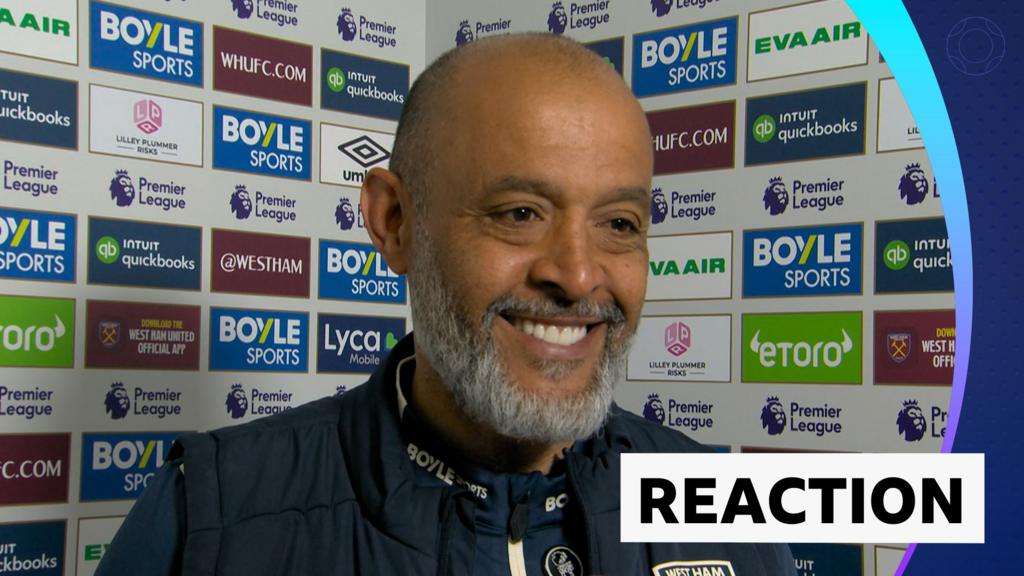
Should West Ham maintain their top-flight status, the club must reconcile his wage burden with his limited starting minutes. Nuno Espirito Santo has publicly acknowledged the situation, stating that Wilson is providing his side with "huge moments" while simultaneously creating a "good headache" for the coaching staff selection process. This is a polite way of saying the balance between his clinical output and his physical reliability is far from settled.
Reports indicate that several mid-table clubs monitor the situation, sensing an opportunity for a cut-price deal if West Ham decides to offload high earners to reshape their squad. However, the probability of a move is tied entirely to survival. Secure the league position and the club may look to refresh the attack; relegate, and his departure becomes an absolute financial necessity to trim the wage bill.
Tactical fit and squad dynamics
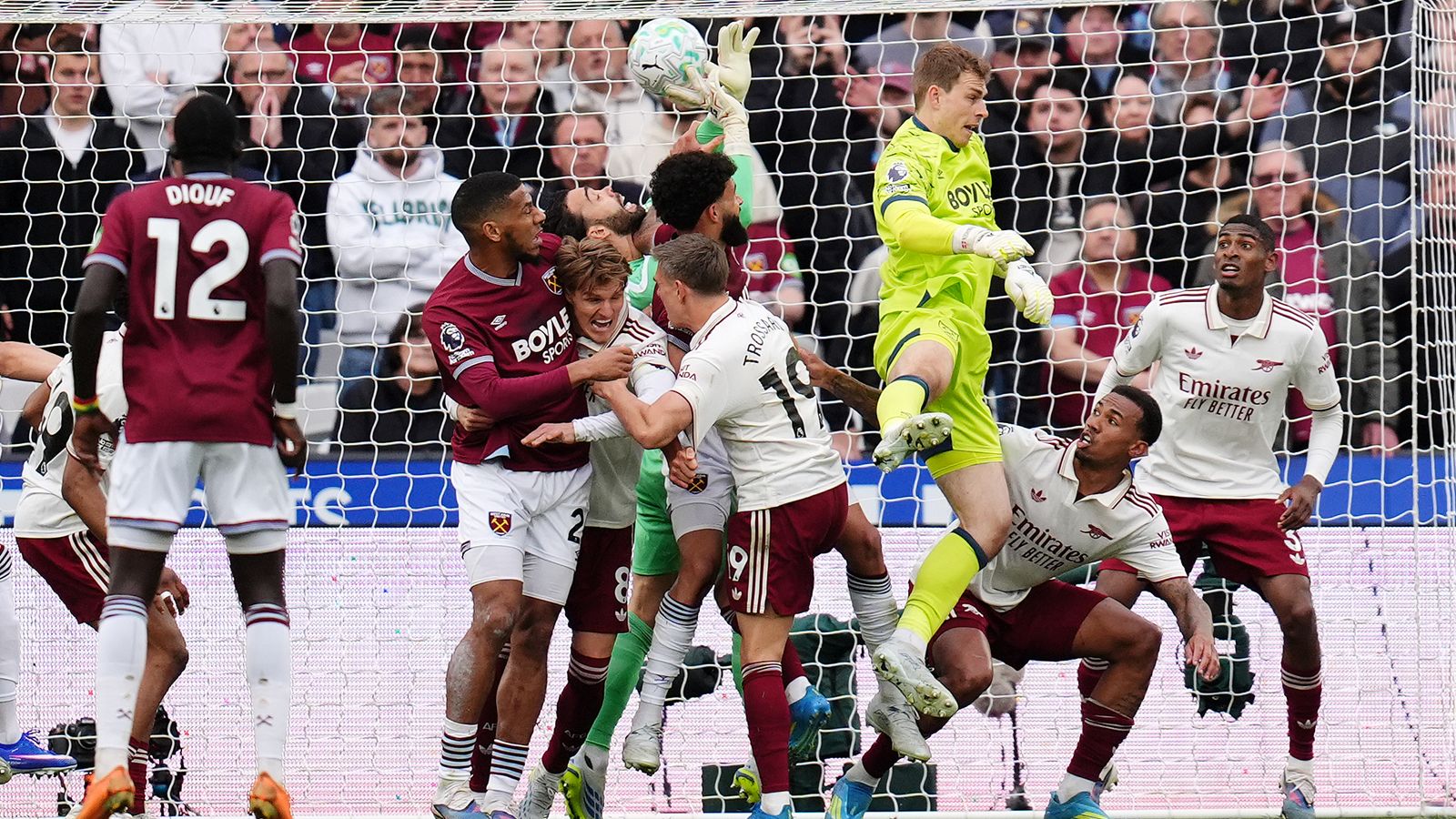
Wilson’s profile as a traditional, high-pressing forward offers Nuno a specific tactical outlet that young prospects at the club haven't yet mastered. His ability to find space in transition was evidenced by the late positioning that The Guardian captured in their match report, as the London Stadium crowd braced for a late Everton equalizer. He isn't a long-term project, but he is a proven commodity in a league where experienced goalscorers equate to survival.
Criticism of the recruitment strategy persists, as many argue that relying on aging strikers to save a season is merely a sticking plaster on wider structural failures. The emotional backdrop of this week, marked by tributes to Dylan Tombides, added a layer of desperation to the performance. The current reliance on veteran heroics highlights a lack of depth that has plagued the side throughout this relegation scrap.
Assessing the summer transition
The timeline for any movement will solidify by late May. With only five matches remaining, the calculation for the board is simple: ensure safety first, then authorize the rebuild. If they do enter the market to move him on, they will likely chase a younger target profile, possibly targeting high-potential championship strikers or international loans to balance the books.
Expect quiet whispers to turn into concrete links the moment mathematical safety is achieved. West Ham currently sits in a fragile state, and while past history suggests they can survive such environments, the current squad lacks the cohesion found in previous successful escapes. Wilson will likely feature heavily in the remaining fixtures, but whether he is the striker to lead the line in 2026/2027 remains highly doubtful.
Ultimately, the impact of Wilson's continued presence is a binary variable. If he is fit, he scores; if he is injured, the team fails to secure points. This dependency on one player in his thirties is the single biggest threat to the club's stability heading into the summer months. It is not an approach that yields sustainable growth, even if it does stop the bleeding for now.